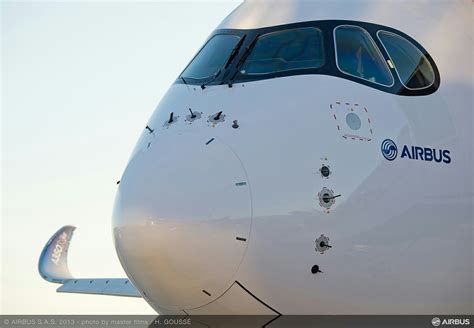
Airplanes, particularly modern commercial jets, are designed with aerodynamic precision, operational efficiency, and pilot comfort in mind. Amid their typically sleek, white exteriors, a curious detail often catches the eye of observant travelers—a black-painted region beneath the cockpit windows. This feature, prominent on aircraft like the Airbus A350, isn’t a mere aesthetic flourish or branding gimmick. Rather, it’s a critical design element born out of thermal engineering, safety considerations, and cockpit ergonomics.
The Purpose Behind the Paint: Thermal Regulation and Maintenance Efficiency
The black area under the cockpit windows, often referred to as the “cockpit mask” or colloquially by airline staff as the “Zorro mask,” serves a multifunctional role. According to Airbus’ Donna Lloyd, the mask “eases the window’s maintenance and contributes to harmonising the thermal condition of this temperature-sensitive window area.” This means the paint isn’t merely decorative; it plays an active role in managing heat.
Aircraft at cruising altitude experience extreme environmental fluctuations. The windshield panels, constructed from multi-layered glass and plastic, expand and contract due to these temperature variations. Over time, this movement can lead to structural fatigue or microfractures. The black paint absorbs solar radiation and helps distribute heat evenly across the glass surface, reducing localized stress concentrations.
Moreover, darker colors like black are known to be highly effective at absorbing electromagnetic radiation, particularly the infrared component of sunlight. This absorption minimizes the formation of hot spots and reduces the risk of heat-induced distortions or cracking.
Visibility Enhancement and Pilot Protection
Beyond temperature management, the black mask directly contributes to pilot safety and visibility. Cockpit design prioritizes a wide panoramic view to ensure maximum situational awareness, but that visibility comes with a drawback—intense sunlight exposure.
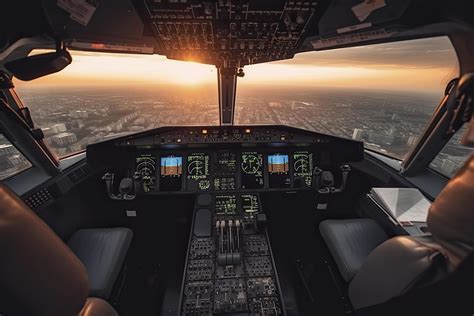
According to the Federal Aviation Administration (FAA), exposure to UV radiation increases by roughly 5% for every 1,000 feet of altitude. That means pilots cruising at 35,000 feet are bathed in UV levels nearly double what we experience at sea level. This relentless exposure can lead to vision fatigue, glare, and long-term eye damage.
While pilots often wear sunglasses (and not just for iconic style), the cockpit mask adds another layer of protection. By darkening the perimeter of the window, the mask helps reduce ambient glare and diminish refraction effects caused by intense sunlight bouncing off clouds or metallic aircraft surfaces.
Aesthetic Signature and Brand Identity
Though primarily functional, the black paint has evolved into something of a brand hallmark, especially for Airbus aircraft. The A350 XWB, introduced as a next-generation long-haul aircraft, showcased this design prominently. In fact, it became so associated with the model that Virgin Atlantic dubbed it the “Zorro mask” in reference to its sharp, bold outline.
Other models like the Airbus A330neo also incorporate the cockpit mask, cementing it as a visual trait of the Airbus fleet. These masks serve a dual purpose—on one hand, offering tangible protection and maintenance benefits, and on the other, providing brand recognition in an increasingly competitive aviation market.
Aerodynamic Advantages: Shaping Airflow Efficiency
While less obvious to the casual observer, the cockpit design—including the shape and surrounding paint—also affects airflow dynamics. Donna Lloyd of Airbus explains that the windshield and nose shape “help the air flow hug the surface, in the least turbulent manner, thereby reducing drag.”
In high-speed flight, even minor improvements to laminar airflow—the smooth, streamlined movement of air over a surface—can reduce drag coefficients, enhance fuel efficiency, and improve overall aircraft performance. The integration of the black cockpit mask with these contours may seem subtle, but it’s part of a symphony of aerodynamic refinements that contribute to the aircraft’s long-range capabilities.
Radiation Risks at Altitude: The Hidden Health Hazard
Beyond heat and glare, there’s another dimension to sunlight exposure that’s often underestimated: cosmic and UV radiation. A 2014 study published in JAMA Dermatology highlighted that pilots flying for under an hour at 30,000 feet receive the same amount of UV-A radiation as a 20-minute tanning bed session.
This cumulative exposure, especially without proper shielding, increases the risk of skin cancer and ocular damage, with melanoma rates among pilots statistically higher than the general population. The black cockpit mask, though it can’t block all radiation, provides a passive layer of defense by absorbing and diffusing UV before it penetrates the cockpit glazing.

Window Maintenance and Longevity
Commercial aircraft must operate with optimal safety and minimal downtime. Maintenance intervals are calculated based on wear, fatigue, and exposure. Cockpit windows are expensive to manufacture, replace, and install—requiring specialized materials and labor.
The cockpit mask helps mitigate direct UV exposure and thermal cycling, reducing wear and tear on the sealants and window frame adhesives. This translates into longer service life for cockpit glass assemblies and fewer unscheduled repairs. Over the lifespan of an aircraft, this can yield significant cost savings for carriers.
A Legacy of Function-Driven Design
Though the black paint beneath the cockpit windows has recently garnered attention due to its prominent use on Airbus models, its roots lie in decades of practical aircraft design. Earlier commercial and military aircraft used similar treatments, albeit with less refined application.
In earlier generations, black anti-glare panels were often painted on upper nose sections or around windshields to combat cockpit glare. The current cockpit mask continues this tradition, now integrated seamlessly into the aircraft’s composite fuselage and livery design.
Not Universal, But Increasingly Common
It’s important to note that not all aircraft feature a cockpit mask. Many Boeing models, for instance, do not utilize black window paint in the same fashion. Instead, Boeing often employs advanced coating technologies embedded within the windshield layers themselves, achieving similar thermal and visual protections without external paint.
However, as aerospace manufacturers compete to optimize fuel burn, pilot experience, and design longevity, cross-adoption of features is inevitable. The mask’s popularity and functionality may encourage wider use across platforms as fleet designs evolve.
Conclusion: A Simple Mark with Strategic Impact
In the intricate world of aviation design, every detail serves a purpose. The black paint under the cockpit windows may appear to be a stylistic decision, but it is in fact a strategic combination of thermal regulation, pilot safety, UV protection, maintenance ease, and aerodynamic refinement. Its visual impact has also made it an iconic design language for aircraft like the Airbus A350 and A330neo.
This small black mark, easily overlooked from the terminal window, is a testament to the engineering philosophies that define modern aviation—form fused with function, efficiency joined with safety, and subtlety supporting significance in every flight mile.