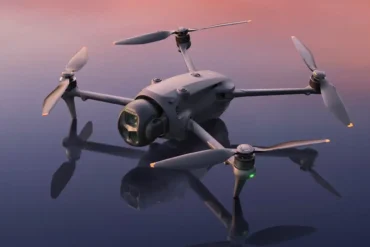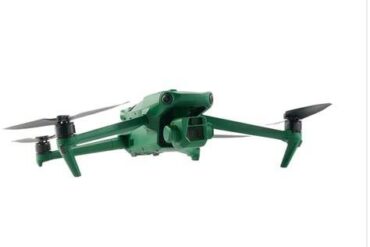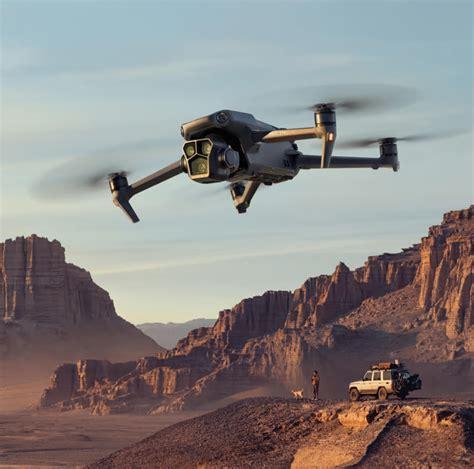
The absence of the DJI Mavic 4 from the U.S. market has ignited a flurry of speculation, frustration, and strategy analysis among drone enthusiasts and professionals alike. What was expected to be DJI’s flagship consumer release for 2025 has instead become a lightning rod for trade policy consequences, geopolitical tension, and tactical brand maneuvering. As it stands, DJI has confirmed that the Mavic 4 will not be available in the United States—at least not initially—and has offered little public commentary beyond vague references to shipping logistics and tariffs.
This article unpacks the key reasons behind this move, analyzes the implications for consumers, and investigates how the drone ecosystem is shifting in response.
DJI’s Strategic Silence: The Official and Unofficial Narratives
DJI has offered only a carefully worded explanation through channels like AeroJ: delays and halted border shipments paired with changing tariffs have effectively frozen Mavic 4’s U.S. launch. Notably absent from this announcement was any press conference, detailed blog post, or roadmap—leaving many to wonder whether DJI is merely buying time or retreating from an increasingly hostile regulatory environment.
DJI expert msinger speculates that this is a deliberate business tactic: delaying launch to wait out punitive tariffs and set a price that won’t repel American buyers. In his view, shipping now would result in inflated pricing that could tarnish the product’s image and reduce its competitive edge.
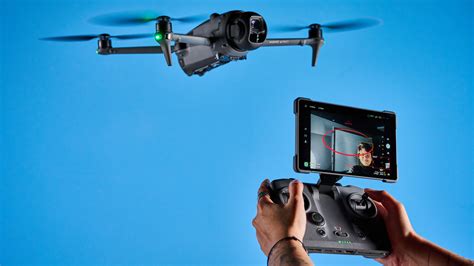
Adding fuel to the uncertainty is the lack of a traditional launch event. When TomSull asked about it, msinger quickly reminded readers that DJI hasn’t done live launch events in years, opting instead for stealth drops and online marketing. Yet, this approach seems doubly ambiguous in a situation where the product isn’t actually reaching the largest consumer tech market.
Tariff Pressure and Economic Backdrop: Why Now?
The recent uptick in import tariffs on Chinese tech appears to be the central obstacle. Under new U.S. trade policy, products like drones now fall under more aggressive taxation schemes. DJI’s choice to delay could be a financial calculation: launching amid tariff hikes would jack up Mavic 4’s retail cost, possibly exceeding $5,000 after taxes and import surcharges, as noted by mavic3usa.
This economic backdrop has made the U.S. a less viable launch pad for high-end consumer electronics. Analysts like Sunshynff argue that tariff unpredictability creates too much risk, and DJI may even withdraw from the U.S. entirely if the trend continues. This is no small matter; the U.S. has historically been one of DJI’s largest markets.
Backchannels, Preorders, and Grey-Market Confusion
Despite the lack of official availability, B&H Photo and other retailers are listing Mavic 4 kits for pre-order, albeit with no confirmed shipping date. This half-launch has left many potential buyers in limbo. solidhouse and UAVquadman both confirmed B&H is taking orders but cannot provide delivery estimates.
Meanwhile, grey-market imports are trickling in, likely from Asia or Canada. But this route brings complications:
- No DJI warranty applies to grey imports, as ryguy80 warns.
- Importing drones valued over $800 now requires added customs documentation, according to Cafguy.
- AeroJ predicts DJI may push firmware-level geo-locking, disabling U.S. use of unauthorized imports.
However, some disagree. Meta4 disputes the firmware lock theory, asserting that imported Mavic 4s will fly fine but won’t be eligible for regional support.
How Influencers Already Have Mavic 4 Units
Despite the lack of retail access, several U.S.-based YouTubers and influencers appear to have early Mavic 4 units in hand. GroovyGeek cites The Verge reporting that no official review samples were shipped to U.S. media outlets, yet footage from U.S. creators is circulating online. This contradiction has sparked further questions about DJI’s supply chain and selective seeding strategy.
Bkushner raises a valid concern: if DJI could get units into the hands of reviewers, why not fulfill pre-orders or issue a press release? The answer likely lies in DJI’s effort to keep marketing buzz alive without triggering large-scale tariffed shipments.
Consumer Reactions: From Frustration to Alternatives
The reaction from the DJI user base has been split between resignation and outrage. Ms Ivy, a professional drone user, has opted for a U.S.-made drone out of frustration, citing geopolitical tensions as an unacceptable variable for her workflow. Others, like KS‑6, applaud DJI’s decision even though it disrupts their professional plans—arguing that it reflects a level-headed long-term view.
The mood online varies from tstr14’s memes of exasperation to Theoriginalgregtoo’s humor, joking about flying units from Canada or moving to China just to get access.
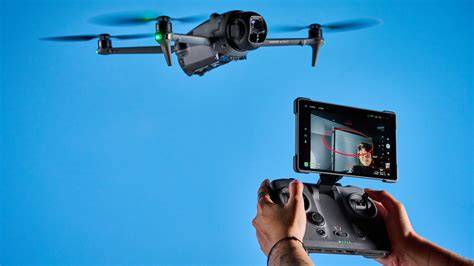
Meanwhile, BlueHeeler recommends that buyers enjoy their existing drones and wait out the chaos, while Dave Pitman points to the clear hit to DJI’s revenue if the Mavic 4 doesn’t land in the U.S. this year.
The Spoiled Launch: A Branding Misstep or Strategic Patience?
Mavic3usa repeatedly refers to the U.S. launch as “spoiled,” arguing that the lack of a press release, clear timeline, or communication strategy reflects poorly on DJI’s brand. According to him, even a back-order option with estimated timelines would have softened the blow.
But others, including msinger, consider the move savvy. Why flood a market with inventory that can’t compete on price due to trade restrictions? From this vantage point, DJI is preserving long-term pricing power by keeping Mavic 4 out of a high-tariff zone until conditions shift.
What This Means for DJI’s U.S. Market Future
If the current trajectory holds, DJI risks losing more than short-term revenue. There’s an erosion of brand confidence unfolding, particularly among high-end users who rely on DJI products professionally. Unavailability breeds substitution, and Ms Ivy’s choice to go with a domestic manufacturer may be a bellwether for others seeking stability.
There’s also the legal gray area of grey imports and potential firmware enforcement to consider. If DJI does enact firmware geo-locks, backlash will be severe, even from loyal fans.
Yet there’s no clear competitor that matches DJI’s technological edge and software integration. This gives DJI the flexibility to wait, albeit not indefinitely. The longer Mavic 4 stays absent from U.S. shelves, the greater the risk that American drone culture pivots permanently toward alternative platforms.
Conclusion: A Pivotal Moment in Drone Industry Dynamics
The Mavic 4’s non-availability in the United States is far more than a product delay. It represents a collision between international trade policy and consumer tech logistics, where a single product’s absence sends ripples across user communities, retail partners, and content creators. DJI’s silence may be strategic, but it’s also costly—in terms of trust, loyalty, and competitive momentum.
As the weeks pass and pre-orders remain unfulfilled, the spotlight intensifies on DJI’s next move. Will they break their silence with a firm timeline or yield the U.S. market to rising domestic alternatives? One thing is certain: the Mavic 4 has already made history—not for its camera specs, but for the controversy it left in its unboxed wake.