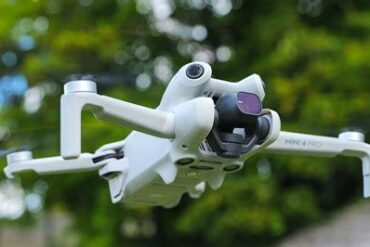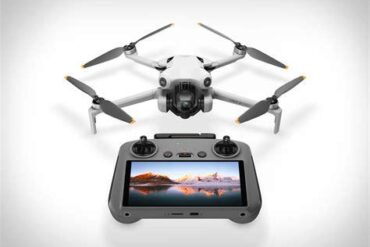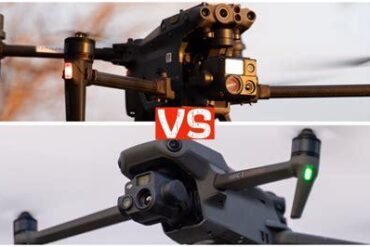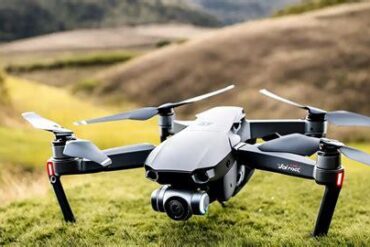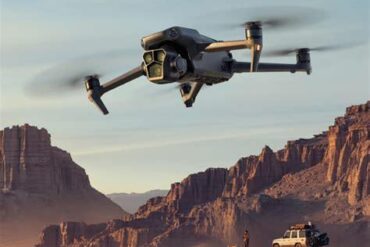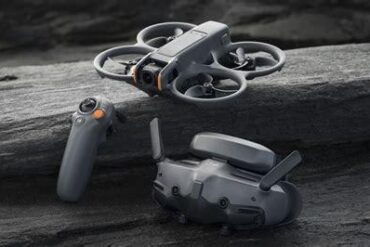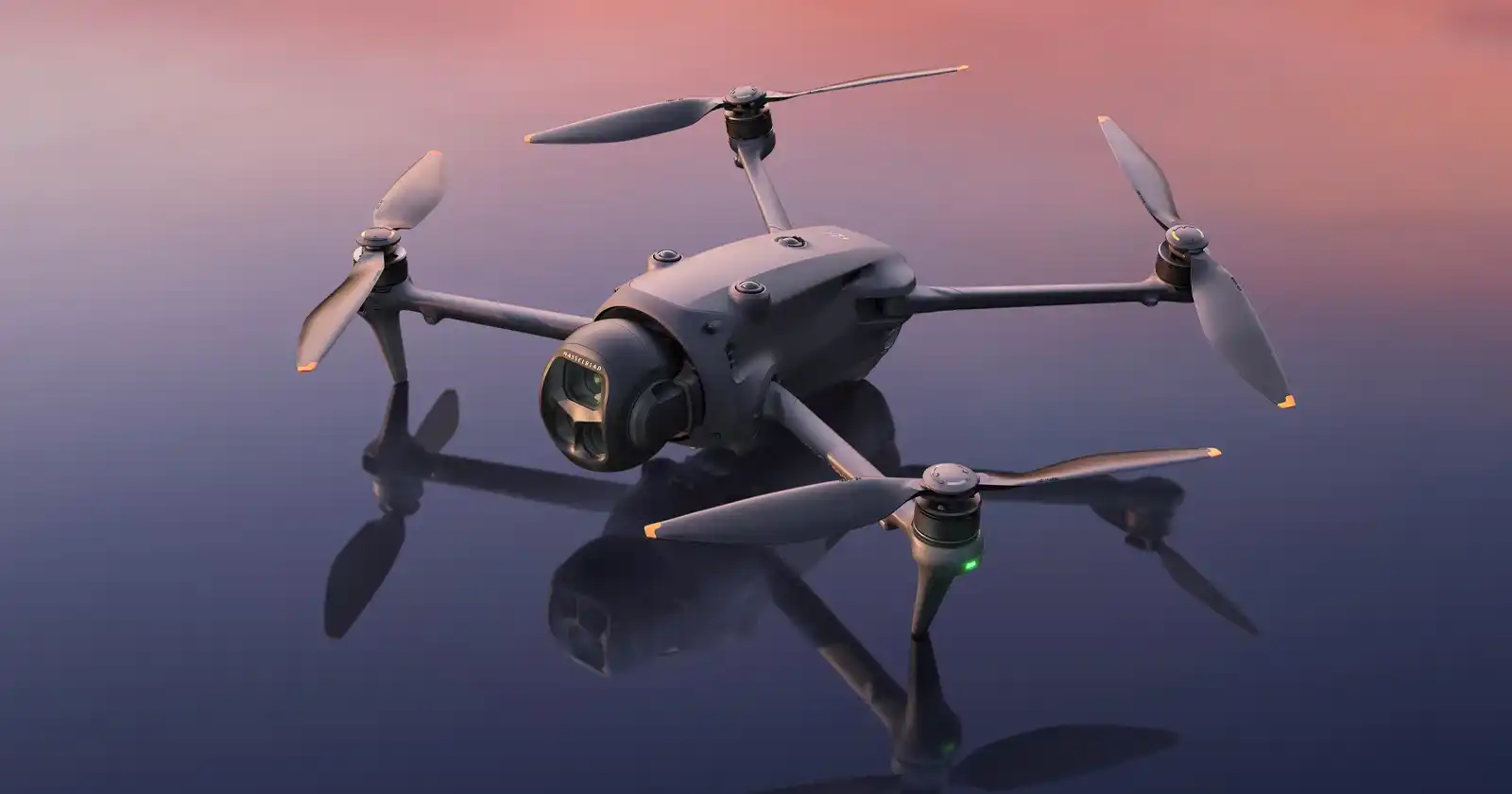
In a surprising move that has stirred deep concern among drone enthusiasts and professionals alike, DJI has officially unveiled the Mavic 4 Pro, its most technologically advanced consumer drone to date — but with a glaring exception: the United States has been left off the launch map. Instead, this flagship aircraft is now rolling out across Canada, Mexico, and other global markets, leaving U.S. consumers to watch from the sidelines — or explore grey market options that come with steep caveats.
A Pioneering Drone Pushed Outside U.S. Borders
The Mavic 4 Pro represents a milestone in DJI’s development philosophy. It introduces not only groundbreaking hardware innovations but also a signal of changing tides in the company’s global market strategy. According to DJI, tariffs imposed during the Trump administration, alongside ongoing customs entanglements, were principal factors that drove the decision to skip a U.S. launch — at least for now.
This isn’t just a limited supply chain hiccup or marketing delay. DJI confirmed it is not even sending units to U.S.-based tech reviewers, a move that underscores the seriousness of its posture toward the American market. Despite approvals from the FCC and the TSCA, and despite two U.S. retailers apparently selling the drone regardless, DJI will not honor warranties for drones imported across the border by American buyers.
Revolutionary Design: A 360-Degree Gimbal That Redefines Cinematography
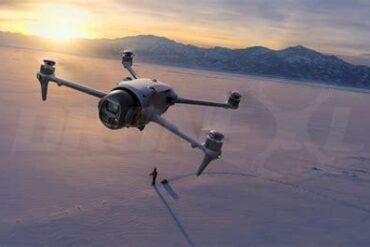
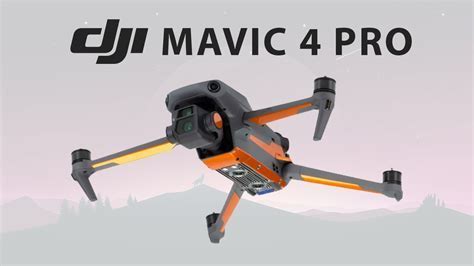
At the heart of the Mavic 4 Pro’s appeal lies its 360-degree rotating gimbal, a first for DJI’s Mavic series and a genuine leap in aerial filmmaking. This allows for footage that tilts, rolls, and films true vertical content, dramatically expanding creative options. It’s a step toward aligning DJI with modern cinematographic expectations in social media, advertising, and immersive visual storytelling.
Paired with this gimbal is a triple-camera system, led by a new 100-megapixel wide sensor capable of shooting 6K at 60 frames per second in HDR, firmly positioning the Mavic 4 Pro as the new gold standard for professional-grade drone footage.
Battery Life and Performance: The Longest Endurance Yet
This drone doesn’t just elevate optics — it pushes operational limits. The Mavic 4 Pro offers up to 51 minutes of flight time, a figure matched only by the Mini 3 in DJI’s past product lineup. Its 95Wh battery is now the most powerful pack DJI has placed in a consumer drone, skimming just below the 100Wh maximum allowed on commercial flights.
Despite weighing only about 105 grams more than the Mavic 3 Pro, the Mavic 4 Pro boasts:
- A top speed of 56 mph (90 kph),
- A maximum flight distance of 25 miles (41 km),
- And a maximum transmission range of 18.6 miles (30 km) — double that of its predecessor.
Enhanced Camera System with Smarter Tracking Capabilities
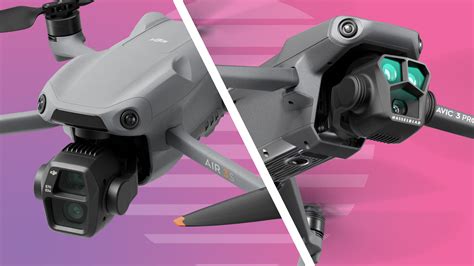
Each of the drone’s three cameras now supports 4K at 120fps, and the main camera delivers exceptional detail with its 100MP sensor. The 70mm telephoto lens remains unchanged, but the 168mm long-range telephoto has been significantly improved: it now sports a 1/1.5-inch, 50MP sensor (up from 12MP) and a wider f/2.8 aperture, both of which will improve light sensitivity and image quality in challenging environments.
Beyond optics, DJI introduces a new object tracking engine that maintains focus even when subjects are partially obscured — such as behind foliage or structural features — and includes directional awareness for automotive subjects up to 200 meters away. These advancements cater directly to filmmakers in complex environments where vehicle tracking and obstacle navigation are critical.
Low-Light Safety and Advanced Autonomy
In another significant upgrade, DJI has enhanced its omnidirectional obstacle avoidance system, which now operates in low-light conditions at speeds of up to 18 meters per second (approximately 40 mph). This surpasses the Mavic 3 Pro’s capability, which managed similar tracking only up to 27 mph.
The Mavic 4 Pro can also execute return-to-home procedures without satellite-based GPS, using forward-facing LiDAR mapping instead. This offers a significant fail-safe advantage in environments where GPS reliability is compromised — an edge that’s especially valuable for commercial inspection and mapping professionals.
Internal Storage and Accessories: Greater Flexibility for Professionals
For creators who demand seamless workflows, DJI includes 64GB of internal storage, a dramatic improvement from the Mavic 3 Pro’s 8GB. Professionals can opt for the “Creator Combo”, which adds a 512GB SSD, a 240W power adapter, and a charging hub for three batteries.
This power-focused package is designed to reduce downtime between flights and accommodate high-volume media capture. The Creator Combo, priced at $3,459 CAD in Canada and $87,599 MXN in Mexico, positions itself clearly in the realm of premium production tools.
Introducing the DJI RC Pro 2: A Controller for a New Era
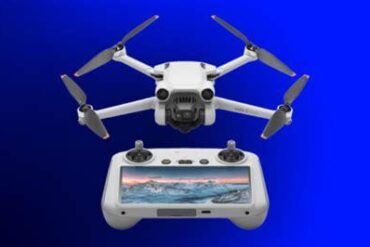
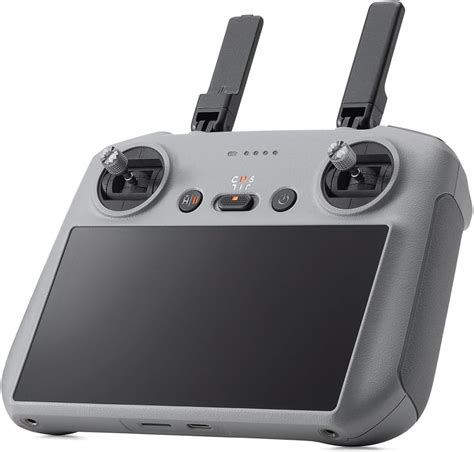
Debuting alongside the drone is the DJI RC Pro 2, an advanced controller that rethinks interface design. The controller’s standout features include:
- A 7-inch display with 1600 nits of brightness — more than double the RC2.
- An auto-folding design that stows joysticks internally.
- A rotating screen mechanism for immediate vertical shooting.
- Built-in microphone and wireless support for DJI Mic.
- HDMI output, 128GB onboard storage, and plug-and-play broadcast capability.
At CAD $999 or £879, the RC Pro 2 sits at the high end of controller pricing, but for cinematographers, the convenience and hardware integration are unmatched.
Pricing and Market Availability: Global Reach, American Absence
Official pricing varies by region, with the base Mavic 4 Pro priced at:
- $2,049 CAD in Canada,
- $50,999 MXN in Mexico,
- £1,879 in the UK,
- €2,099 across Europe,
- $3,099 AUD in Australia.
This positions the Mavic 4 Pro slightly above its predecessor but reflects the considerable upgrades packed into this release. The Fly More Combo and Creator Combo bundles offer layered value depending on the buyer’s needs, but none of these bundles are officially available in the U.S. — a gap that will likely push some customers to risk unprotected grey market purchases.
Why Skip the U.S.? A Collision of Tariffs and Bureaucracy
According to DJI, the decision to hold back from the U.S. market stems chiefly from Trump-era tariffs, which although paused recently for 90 days, still cast uncertainty on DJI’s pricing models and profitability in the region. Compounding this is U.S. Customs and Border Protection’s ongoing hold on DJI shipments, dating back to at least October, when DJI canceled the U.S. release of the Air 3S under similar circumstances.
Despite having obtained all necessary regulatory certifications — including from the FCC — DJI is clearly hesitant to navigate the American regulatory and political minefield any further without stable market conditions.
Warranty Warnings and Cross-Border Purchases
DJI has made its position clear: warranties will not be honored in the U.S. for Mavic 4 Pro units purchased outside its borders. While some U.S. retailers have started stocking the drone regardless, buyers should be wary. The lack of official support, warranty validation, or firmware updates could hinder product longevity or even usability if DJI later decides to enforce restrictions via software.
Conclusion: A Bold Drone Meets a Barred Market
The Mavic 4 Pro is a masterclass in drone innovation, blending unmatched camera tech with superior endurance and software sophistication. But its absence from the U.S. market reflects a chilling new phase in the trade-tech nexus, where geopolitics dictate product availability more than technological capability.
As DJI monitors the American situation, one thing remains clear: the Mavic 4 Pro is ready for liftoff — just not in U.S. airspace. Whether this exclusion is temporary or the start of a long-term decoupling remains to be seen. Until then, professionals in Canada, Mexico, and elsewhere will be the first to harness DJI’s most capable drone to date, while American skies remain conspicuously quiet.