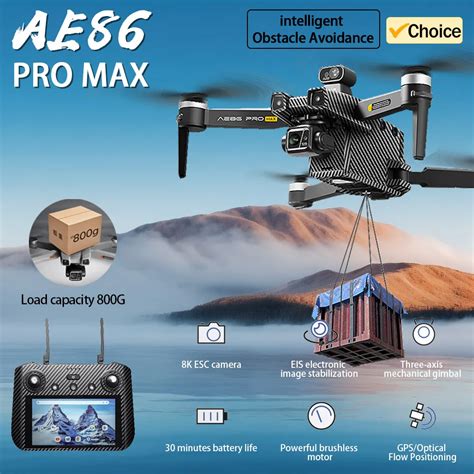
The AE86 Pro Max+ is aggressively marketed as a high-performance, feature-packed drone, offering specs that rival top-tier models for a fraction of the cost. From 8K dual ESC cameras, a three-axis anti-shake gimbal, to touchscreen remote control and GPS positioning, it seems almost too good to be true for under $400. As experienced evaluators of aerial tech, we took a deeper look at whether this drone is a worthy alternative or another overhyped rebrand riding on specs alone.
Bold Specs, Budget Reality: What AE86 Pro Max+ Claims to Offer
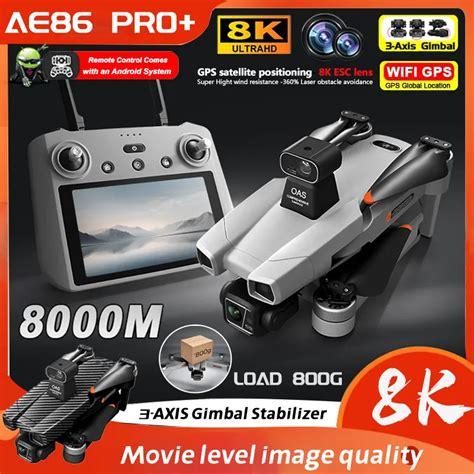
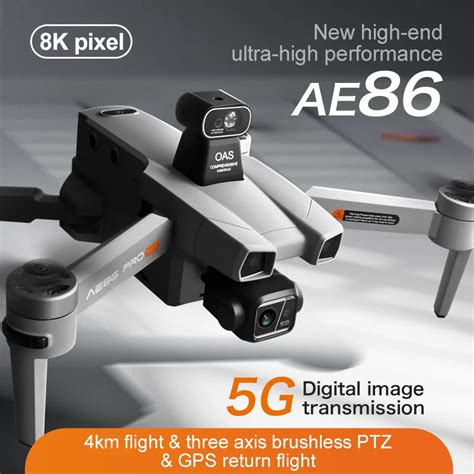
At first glance, the AE86 Pro Max+ reads like a dream for hobbyist pilots or newcomers wanting a premium drone without DJI-level pricing. The features on paper are undeniably impressive:
- 8K ESC Dual Camera with adjustable angles
- Three-Axis Mechanical Gimbal for stabilization
- GPS + Optical Flow Positioning
- Intelligent Obstacle Avoidance (Omnidirectional)
- 2.4G/3G/4G/5G Wireless Compatibility
- 5G HD Digital Image Transmission
- Touchscreen Remote Controller
- Two 8000mAh Batteries for extended flight times
- 1600 ft altitude range and 3+ mile travel distance
- Airdrop Module for package drops
The kit includes everything from a padded carrying case to dual high-capacity batteries, which, if true to claim, would offer near 1-hour flight time combined. Many platforms even market it as a DJI Mavic clone. But when this drone hits the air, the cracks in its build begin to show.
The First Flight: Overhyped Expectations Meet Inconsistent Performance
We approached the first flight with cautious optimism. Startup procedures immediately showed signs of instability. The GPS often struggled to lock in place, especially in suburban or semi-urban areas. At times, we found ourselves spinning the drone repeatedly during calibration, attempting to align the vertical geomagnetic sensors.
Even when calibration succeeded, a disturbing trend emerged: frequent drops from GPS mode into indoor mode, often without warning. This resulted in uncontrolled drift mid-flight and interrupted smooth capture. That alone makes the drone a high-risk option for filming over water, cliff edges, or crowded spaces.
Battery performance was also subpar. Despite 8000mAh capacity per unit, we rarely achieved more than 11–13 minutes of continuous flight before the drone issued low battery warnings and initiated forced landings. The issue wasn’t isolated to one unit — this pattern was seen on two test drones from different vendors.
Camera Quality: 8K in Name, 1080p in Reality
Perhaps the biggest selling point of the AE86 Pro Max+ is its advertised 8K resolution. However, our footage review painted a different picture. The dual camera system lacks the sensor quality and bitrate to actually capture at 8K with usable detail. In truth, the stills and video recordings felt much closer to interpolated 1080p or low-end 2K.
There’s also no RAW capture support. Compression artifacts were visible in daylight shots, and image clarity dropped dramatically in overcast or low-light environments. The three-axis gimbal does help mitigate some motion jitter, but not enough to make this a dependable aerial videography tool.
Adding to the frustration, the touchscreen remote controller, while innovative, lacks dedicated buttons for camera controls. Instead, you must rely on on-screen controls, which are laggy and difficult to use in sunlight. The voice feedback, intended to enhance usability, is garbled and sometimes unintelligible due to a poorly implemented synthesized accent.
Build Quality: Featherweight Frame, Heavy Disappointments
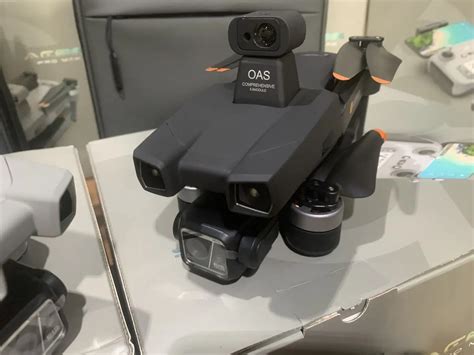
The physical build of the AE86 Pro Max+ is unmistakably plastic-heavy. While this contributes to its lightweight, it feels fragile in the hand and mid-air. Gimbal housing flex, poorly secured prop arms, and minor shell creaks were present from day one.
The obstacle avoidance system — while technically functional — is often overreactive. In light brush or tight indoor spaces, the drone backed away prematurely or refused to proceed, creating control frustrations rather than enhancing safety.
Additionally, several users across forums such as r/HolyStone and drone enthusiast communities have cited cheap internals and erratic flight behavior as ongoing concerns. It’s telling that many early adopters are either returning the unit or relegating it to a backup role.
Where AE86 Pro Max+ Excels (Slightly)
In fairness, there are a few areas where the AE86 Pro Max+ does offer relative strength. It performs surprisingly well in wind speeds up to Level 6-7, staying relatively stable in gusty conditions where other sub-$400 drones struggle. The controller’s built-in screen does offer convenience, reducing dependency on a smartphone — a rare feature at this price point.
Also, the inclusion of an airdrop module is a unique bonus that, while gimmicky for most, can be useful for fishing enthusiasts or package drop demos. We tested it with small payloads under 100 grams, and it released reliably every time.
Comparing the Alternatives: HS900 and DJI Low-End Models
Given the AE86 Pro Max+’s spotty execution, it’s fair to ask what better alternatives exist in the same price bracket. Many former Holy Stone users have found more satisfaction with the HS900 — a slightly more refined model with more stable firmware and better GPS hold.
The HS720 and HS720R, on the other hand, receive frequent criticism for gimbal-free cameras and inconsistent controls. Other options include:
- Potensic Dreamer Pro – Better build, Sony camera sensor, but shorter range.
- FIMI X8 Mini – Compact, 4K capture, good software, but pricier.
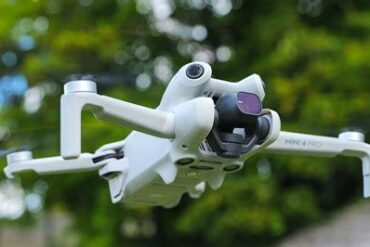
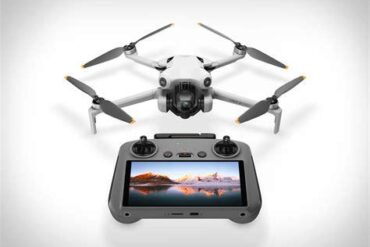
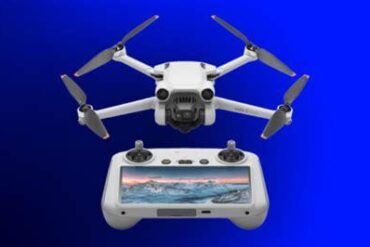
- DJI Mini 2 SE – No 8K claims, but consistent performance and excellent app integration.
Final Verdict: Style Over Substance
The AE86 Pro Max+ feels like a product designed to impress on spec sheets, not in the field. It attempts to emulate the design language and features of DJI drones but lacks the firmware polish, sensor quality, and hardware integration that would make those features usable.
We cannot recommend this drone to serious hobbyists or those looking for reliable image capture. For recreational flying in open fields or as a novelty gift, it can provide some value. However, its inability to deliver on core promises — like camera clarity, stable flight, or reliable GPS — make it a risky investment.
Even at $280–$376, the value proposition crumbles under real-world testing. Consider stretching your budget toward established brands that prioritize functionality over inflated specs.
FAQs
Is the AE86 Pro Max+ a DJI clone?
While it mimics the design of DJI drones and boasts similar specs, its performance, build quality, and camera output fall significantly short of DJI’s engineering standards.
Does the AE86 Pro Max+ really shoot in 8K?
No. The drone advertises 8K capabilities, but in practice, it produces heavily compressed footage that is closer to 1080p or low-grade 2K.
How long do the 8000mAh batteries last?
Despite their size, users report flight times averaging 11–13 minutes per battery, far less than advertised.
Is the AE86 Pro Max+ good for beginners?
Due to inconsistent GPS lock, confusing voice prompts, and fragile construction, it may frustrate beginners rather than help them learn.
What’s the best alternative under $400?
The HS900 or FIMI X8 Mini offer more stable flights and better image capture for similar budgets.