The McDonnell Douglas F-15 Eagle, now produced by Boeing Defense, Space & Security, remains one of the most formidable air superiority fighters in the world. However, stealth is not one of its primary design attributes. Unlike fifth-generation fighters, the F-15 was conceived during an era where speed, agility, and firepower were prioritized over low observability. While modern iterations like the F-15EX Eagle II incorporate advanced electronic warfare (EW) systems to reduce vulnerability, the aircraft remains non-stealthy by design. This article explores the stealth limitations of the F-15 series, the improvements in the latest variants, and how it compares to fifth-generation stealth fighters like the F-22 and F-35.
The Traditional F-15 and Its Lack of Stealth
Conventional Aerodynamic Design
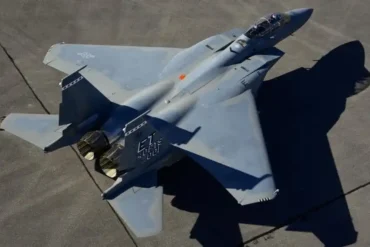
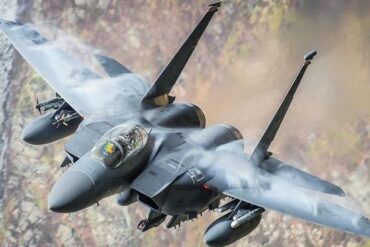
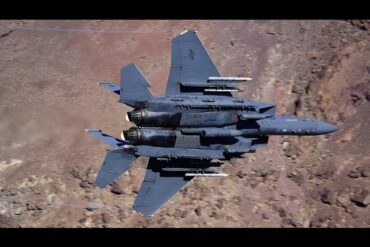
The original F-15A/B and later C/D models were designed primarily for air superiority and ground attack roles, featuring an airframe constructed from aluminum and titanium alloys. The aircraft employs a twin-engine configuration and a high-mounted wing design, which contribute to its maneuverability but also make it highly detectable by radar.
- The radar cross-section (RCS) of a traditional F-15 is relatively large due to its sharp angles, vertical stabilizers, and exposed engine inlets.
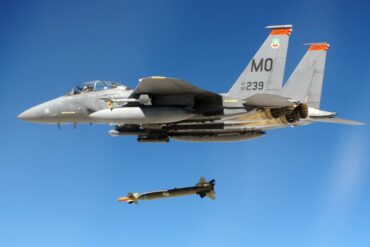
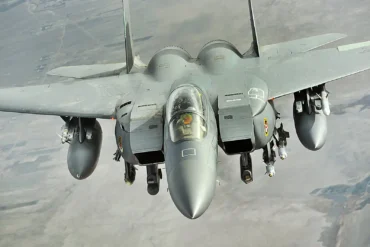
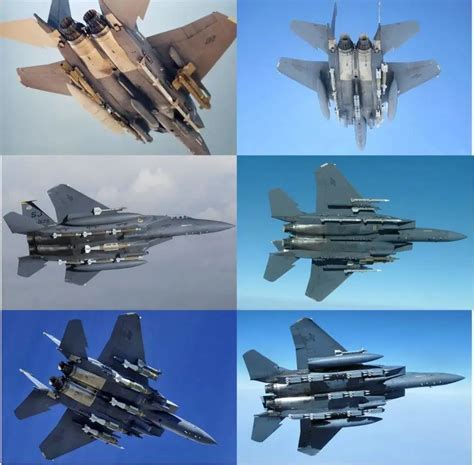
- The lack of internal weapons bays means that all munitions must be carried externally, further increasing its radar signature.
- Unlike stealth aircraft that incorporate radar-absorbing materials (RAM) and specialized shaping to reduce detection, the F-15 relies on its electronic countermeasure (ECM) systems to survive in combat.
Electronic Warfare and Countermeasures
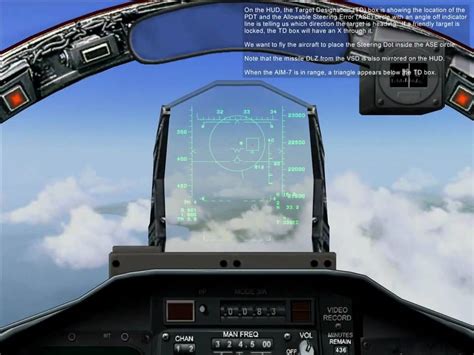
To compensate for its lack of stealth, the F-15 features powerful radar and electronic warfare suites. For example:
- The AN/APG-63 and AN/APG-70 radars, though highly capable, were not optimized for stealth detection.
- The AN/ALQ-135 electronic warfare system provides jamming and countermeasure capabilities against enemy radar and missiles.
- These systems allow the F-15 to detect and engage targets at long range but do not contribute to making the aircraft itself less visible to enemy sensors.
F-15EX Eagle II: Limited Stealth Enhancements
Design Improvements in the F-15EX
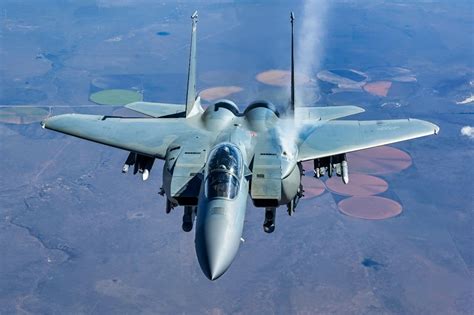
The latest F-15EX Eagle II, an advanced variant of the F-15, integrates new technologies but still does not meet true stealth criteria. Key features include:
- EPAWSS (Eagle Passive Active Warning Survivability System): This state-of-the-art electronic warfare suite provides enhanced situational awareness and jamming capabilities, making it harder for enemy radars to track and lock onto the aircraft.
- Conformal Fuel Tanks (CFTs): While these extend operational range, they also contribute to a larger radar signature.
- New weapon carriage capabilities, including the ability to carry up to 22 air-to-air missiles, further increase its RCS profile.
RCS and Stealth Comparison
While the F-15EX has reduced its electronic signature, its physical RCS remains significantly larger than that of fifth-generation stealth fighters:
| Aircraft | Estimated RCS (m²) | Stealth Features |
|---|---|---|
| F-15C/D | 10–15 | None |
| F-15EX | 5–10 | Electronic Warfare Enhancements |
| F-35 | 0.0015 | Full Stealth Design, RAM Coating |
| F-22 | 0.0001 | Full Stealth, Internal Weapon Bays |
Tactical Relevance of the F-15EX
Despite its lack of stealth, the F-15EX remains a valuable asset due to its heavy payload capacity and lower operational costs compared to stealth aircraft like the F-35. Its primary role is to complement, not replace, stealth aircraft, providing air dominance and missile superiority in situations where stealth is less critical.
How the F-15 Compares to Fifth-Generation Stealth Fighters
Stealth vs. Firepower
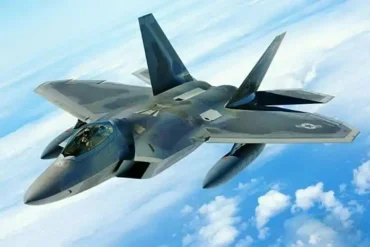
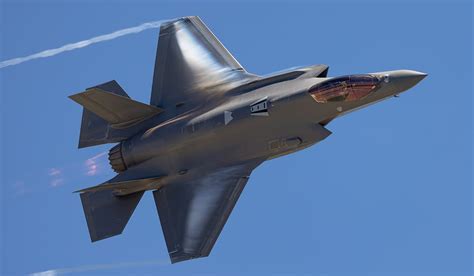
Fifth-generation aircraft such as the F-22 Raptor, F-35 Lightning II, and China’s J-20 Mighty Dragon feature:
- Radar-absorbent coatings that minimize radar reflections.
- Internally stored weaponry to reduce external radar reflections.
- Advanced sensor fusion for detecting and tracking threats without emitting their own radar signals.
In contrast, the F-15EX carries large external payloads, making it easier to detect and track. However, its advanced electronic warfare capabilities and high-speed performance allow it to operate effectively alongside stealth fighters.
Global Air Forces and the F-15’s Future
Despite its stealth limitations, several nations still favor the F-15 for its reliability, adaptability, and combat effectiveness. Countries evaluating their fighter procurement strategies consider the cost and capability balance:
- India’s MRFA (Multi-Role Fighter Aircraft) competition saw the F-15EX as a potential contender but faced concerns about stealth deficiencies against China’s J-20.
- The US Air Force plans to maintain the F-15EX alongside stealth platforms like the F-35, using it for long-range missile deployment and air superiority operations.
Potential Future Stealth Enhancements
While the F-15 cannot be transformed into a true stealth aircraft, some potential modifications could improve its low observability:
- Application of stealth coatings to reduce radar reflections.
- Development of low-observable engine inlets to mask heat signatures.
- Integration of internal weapon carriage solutions, though challenging due to the aircraft’s original airframe design.
However, these modifications are unlikely to bring the F-15 anywhere close to fifth-generation stealth standards.
Conclusion
The F-15 Eagle remains one of the most powerful and battle-proven fighters in modern air combat. Despite its stealth disadvantages, its high payload capacity, advanced radar systems, and electronic warfare suites allow it to remain highly relevant. While the F-15EX Eagle II introduces some low-observability improvements, it does not compare to the true stealth capabilities of fifth-generation fighters. Instead, it serves as a cost-effective, heavily armed complement to modern stealth aircraft.
FAQ
1. Why was the F-15 not designed as a stealth aircraft?
The F-15 was developed in the 1970s, when air combat doctrine prioritized speed, agility, and firepower over stealth. At the time, radar evasion technologies were not a primary concern for fighter design.
2. Can the F-15EX be modified to become stealthier?
While certain modifications like stealth coatings and electronic warfare upgrades can help reduce its radar signature, the F-15’s fundamental design prevents it from achieving true stealth capability.
3. How does the F-15EX compare to the F-35 in modern warfare?
The F-15EX is a high-speed, long-range fighter with a massive payload, while the F-35 is a stealth multi-role aircraft optimized for precision strikes and evasion. The F-15EX is better suited for air dominance and missile-heavy engagements, whereas the F-35 excels in penetrating enemy defenses undetected.