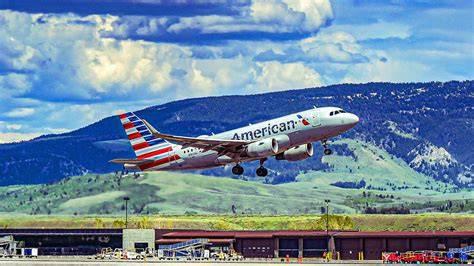
American Airlines is offering 1,205 flight attendants the option to take unpaid leave in September as the carrier adjusts its fall flying schedule and responds to rising operating costs. The voluntary leave program affects all ten of the airline’s crew bases and represents about 4% of its flight attendant workforce, highlighting a temporary imbalance between staffing levels and planned operations.
The Voluntary Leave of Absence (VLOA) program opened for bidding as American begins reducing capacity after the busy summer travel period. Unlike traditional furloughs or permanent staffing reductions, the program allows employees to remain connected to the airline while taking a one-month unpaid break. Flight attendants approved for leave keep certain benefits, including non-revenue travel privileges, but cannot pick up additional trips during the leave period.
The September offer follows a smaller unpaid leave program introduced for August, marking an unusual move because voluntary leave programs are typically less common during peak summer operations. The latest round is significantly larger, with September’s available leaves increasing compared with the same period in the previous year as American transitions into an earlier fall schedule.

American’s largest allocation is concentrated at its major hubs. Dallas/Fort Worth International Airport (DFW) received the highest number of available leaves with 309 positions, followed by Charlotte Douglas International Airport (CLT) with 168 and Chicago O’Hare International Airport (ORD) with 144. Other major bases receiving significant allocations include Miami, New York LaGuardia, Philadelphia, Phoenix, Boston, Los Angeles, and Washington National.
The decision comes as American Airlines faces increased pressure from higher fuel expenses. The airline expects its annual fuel costs to rise by more than $4 billion, forcing management to carefully balance aircraft utilization, route planning, and staffing levels. Several domestic routes have already been suspended between August and October as the carrier adjusts its network to match changing market conditions.
American Airlines’ Growing Flight Attendant Workforce Creates Staffing Surplus
While American is reducing some flying, the airline has also expanded its cabin crew ranks. The carrier has hired more than 2,000 flight attendants since the beginning of 2026, adding thousands of new employees at a time when the planned schedule does not require the same staffing levels.
American currently has nearly 30,000 flight attendants, making it one of the largest airline cabin crews in the world. The airline also operates one of the largest commercial fleets globally, with more than 1,000 mainline aircraft. The recent hiring wave helped prepare the carrier for strong travel demand, but the slower fall schedule has created excess staffing capacity.
For employees, the voluntary leave option provides a way to temporarily reduce staffing pressure without forcing involuntary measures. Leaves are awarded according to seniority rules, with lineholders generally receiving priority before reserve flight attendants. The arrangement allows American to control labor costs while maintaining flexibility for future schedule changes.
Reduced Reserve Staffing Could Challenge Operational Reliability
Although the leave program helps control expenses, it also creates operational risks. During the summer, American intentionally maintained additional staffing reserves to protect against delays, weather disruptions, and unexpected crew shortages. The September reductions will leave the airline with fewer backup flight attendants available.
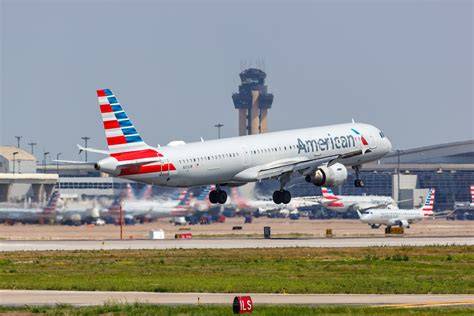
This situation could become more challenging during the Atlantic hurricane season, which often affects major American Airlines hubs such as Charlotte, Miami, and Philadelphia. Severe weather events can quickly disrupt schedules, creating a need for reserve crews to cover missed connections, delayed flights, and aircraft repositioning.
A shortage of available cabin crew can create a domino effect across an airline’s network. When flights are disrupted, insufficient reserve staffing may lead to longer delays or cancellations because replacement crews cannot be deployed quickly enough.
American Airlines Balances Costs and Capacity Ahead of Fall Travel
The September unpaid leave offer reflects the difficult balance airlines face between maintaining operational flexibility and controlling expenses. American Airlines must manage a large workforce, volatile fuel prices, and changing passenger demand while preparing for the traditionally slower fall travel season.
The program does not indicate a permanent reduction in flight attendants or a major retreat from growth plans. Instead, it represents a short-term adjustment designed to align staffing levels with the airline’s revised schedule.
As American moves deeper into the fall season, the effectiveness of the leave program will depend on whether the carrier can maintain reliable operations with fewer available crew members. The airline’s challenge will be keeping costs under control without sacrificing the service reliability passengers expect.