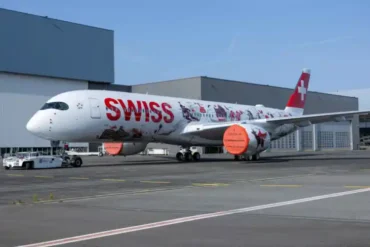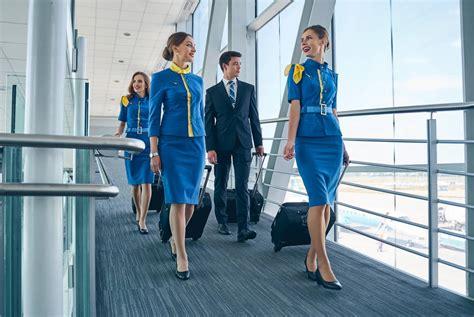
The airline industry rarely presents contradictions as striking as this: a profitable carrier paying employees to leave. Yet that is precisely the situation unfolding at SWISS International Air Lines, where management has introduced a voluntary resignation program offering flight attendants up to CHF 15,000 (nearly $20,000) to step away from their roles. Far from signaling financial distress, the move reflects a deeper operational imbalance—one driven by grounded aircraft, pilot shortages, and constrained flight capacity.
At first glance, the offer appears unusually generous. For many entry-level cabin crew, the payout represents several multiples of their starting annual salary, making it a compelling proposition for those already considering a career shift. But behind the headline figure lies a complex reality: SWISS has more flight attendants than it can currently deploy, not because demand has weakened, but because its ability to operate flights has been sharply reduced.
This mismatch between staffing and operational capacity has forced the airline into a delicate balancing act. Rather than pursuing layoffs, SWISS is attempting to reshape its workforce through voluntary measures, preserving morale while addressing a structural issue that may persist well into 2027.
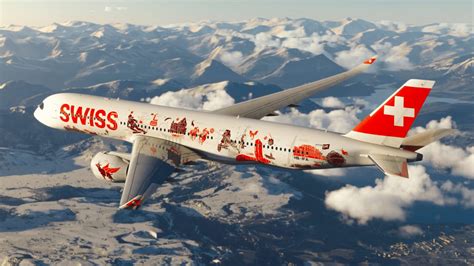
Why SWISS Is Paying Cabin Crew to Leave
The decision to offer voluntary exit packages stems from a clear and pressing issue: too many crew members, too few flights. SWISS has acknowledged a surplus of up to 300 flight attendants within its workforce of approximately 4,500.
This imbalance has been building over time. In 2025, the airline was forced to cancel more than 1,400 flights during the peak summer season, primarily due to pilot shortages and aircraft availability issues. The pattern has continued into 2026, with over 300 cancellations already recorded and further disruptions expected.
In an internal memo, the airline made it clear that “balanced inventory levels”—a carefully chosen phrase referring to staffing alignment—will not be achieved in the near term. The expectation now is that equilibrium may not return until 2027, extending the period during which excess staffing remains a challenge.
Rather than imposing redundancies, SWISS has opted for a softer approach. The voluntary resignation package allows employees to leave on favorable terms, while also offering alternative pathways such as temporary retirement arrangements and participation in the airline’s “Study & Fly” program, which enables reduced working hours alongside academic pursuits.
This multi-pronged strategy reflects a broader effort to retain flexibility. By avoiding forced layoffs, SWISS preserves the option to rebuild its workforce quickly once operational conditions improve.
The Real Bottleneck: Aircraft Groundings and Engine Issues
The root cause of SWISS’s predicament lies not in demand, but in mechanical and logistical constraints that have significantly reduced its flying capacity. Chief among these is the ongoing crisis surrounding Pratt & Whitney engines, which has affected airlines worldwide but hit SWISS particularly hard.
A substantial portion of the airline’s Airbus A220 and A320neo family aircraft relies on these engines. Inspections and maintenance requirements have led to widespread groundings, effectively sidelining a significant share of the fleet.
The situation is especially acute for the Airbus A220-100, where all nine aircraft remain grounded for extended periods. Even among the larger A220-300 variant, several jets are out of service, while parts of the A320neo fleet are undergoing maintenance across multiple European locations.
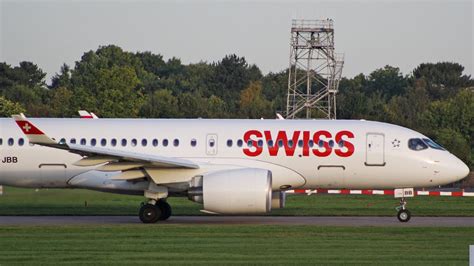
In total, nearly one-third of SWISS’s narrowbody fleet is currently unavailable for operations. This has created a cascading effect: fewer aircraft mean fewer flights, which in turn reduces the need for cabin crew.
Compounding the issue is the airline’s decision to reallocate spare engines from smaller aircraft to keep larger jets operational. While this helps maintain some level of service, it further limits overall fleet availability, prolonging the imbalance between staffing and operational demand.
Pilot Shortages Add Another Layer of Complexity
As if grounded aircraft were not enough, SWISS is also grappling with a shortage of pilots, particularly for its short-haul Airbus A320-family fleet. This constraint has limited the airline’s ability to operate regional routes, even when aircraft are technically available.
The problem extends to long-haul operations as well. A portion of the airline’s pilot workforce is currently undergoing retraining for the Airbus A350, a strategic investment in future capacity that temporarily reduces the number of available flight crews.
This dual constraint—insufficient aircraft and insufficient pilots—has created a perfect storm. Even as demand remains robust, SWISS simply cannot operate the number of flights its network would otherwise support.
The result is an airline that is, paradoxically, both overstaffed and under-resourced at the same time.
A Profitable Airline Facing Operational Limits
What makes this situation particularly noteworthy is SWISS’s strong financial performance. Within the Lufthansa Group, the airline has emerged as one of the most profitable carriers, reporting profit margins exceeding 9% and generating nearly $700 million in profit on revenues surpassing $7 billion.
These figures place SWISS well ahead of many of its peers, including Lufthansa’s mainline operations. The airline benefits from a premium-focused business model, anchored by strong hubs in Zurich and Geneva, which attract high-value corporate travelers and long-haul passengers.
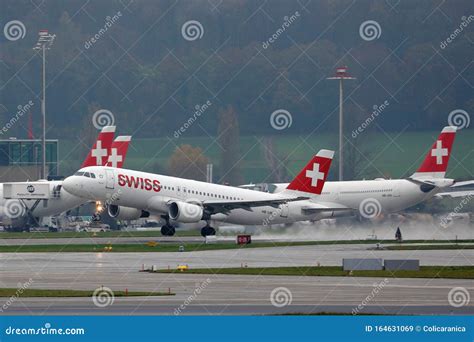
This positioning allows SWISS to generate higher yields than airlines heavily reliant on short-haul, price-sensitive traffic. It also reflects a disciplined approach to capacity management and operational efficiency—qualities that have historically set the airline apart within the group.
Yet even this strong foundation cannot fully offset the impact of external disruptions. The current challenges highlight how technical issues and labor constraints can undermine even the most robust business models, creating ripple effects that extend across the organization.
Voluntary Exit Packages: A Strategic Safety Valve
The introduction of voluntary exit incentives serves as a strategic release valve for SWISS. By encouraging a portion of its workforce to leave on mutually beneficial terms, the airline can gradually realign its staffing levels without resorting to layoffs.
The structure of the program is designed to appeal to a wide range of employees. For those considering a career change, the lump-sum payment offers a financial cushion. For others, options such as temporary retirement or reduced working arrangements provide flexibility without severing ties completely.
This approach also reflects a broader industry trend toward workforce adaptability. Airlines are increasingly seeking ways to manage volatility without damaging long-term talent pipelines—a lesson reinforced by the staffing shortages that followed the COVID-19 pandemic.
SWISS’s strategy suggests a clear priority: protect the future while managing the present. By avoiding forced redundancies, the airline maintains goodwill among employees and preserves its ability to scale up quickly when conditions improve.
An Industry-Wide Warning Signal
While SWISS’s situation is unique in its specifics, it underscores a broader reality facing the aviation sector. Airlines today operate in an environment where supply-side constraints—engines, aircraft, and skilled labor—can be just as limiting as demand fluctuations.
The Pratt & Whitney engine issues, in particular, have become a global challenge, affecting fleets across multiple carriers and regions. As maintenance timelines stretch and spare parts remain scarce, airlines are being forced to make difficult operational decisions.
In this context, SWISS’s decision to pay flight attendants to leave is less an anomaly and more a symptom of deeper structural pressures within the industry.
The irony is hard to miss: a highly profitable airline, operating in a strong market, offering generous payouts not because it is struggling to fill seats, but because it cannot put enough aircraft in the sky.
For passengers, the impact is seen in canceled flights and reduced schedules. For employees, it creates uncertainty—and, in some cases, unexpected opportunities. For the industry as a whole, it serves as a reminder that efficiency and profitability do not guarantee stability when critical components of the system falter.
In the end, SWISS is navigating a challenge that blends engineering, labor, and strategic planning into a single equation. And while the solution may involve fewer flight attendants in the short term, the long-term goal remains unchanged: restoring balance in an industry where even success can come with turbulence.