American Airlines has announced significant adjustments to its transatlantic schedule for the upcoming fall and winter seasons of 2025. The carrier will suspend services on three key routes connecting major U.S. cities with popular European destinations, reflecting both strategic capacity realignment and persistent aircraft delivery delays. These changes are particularly impactful as they affect flights between Philadelphia and Copenhagen, New York JFK and Barcelona, and the Miami to Paris route, which will now see a delayed restart.
The modifications come amid a broader reassessment of American’s international operations and coincide with the airline awaiting multiple new Boeing 787 Dreamliner deliveries. While the airline has refrained from directly attributing the cuts to supply chain setbacks, the timing and scope of the route adjustments suggest a close relationship with these fleet limitations.
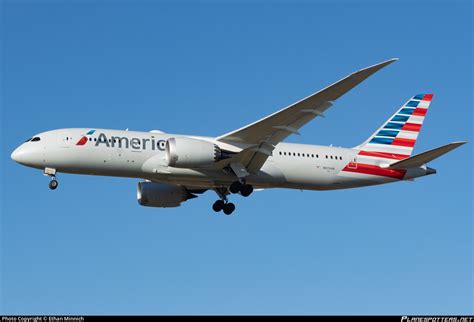
Philadelphia to Copenhagen: Seasonal Closure Comes Early
American Airlines will terminate its seasonal service between Philadelphia (PHL) and Copenhagen (CPH) earlier than originally scheduled. The route, which has been operated using Boeing 787-8 and 787-9 Dreamliners, will now be suspended after Labor Day on September 2, 2025—a full month earlier than the October 4 closure initially filed with aviation data provider Cirium.
This route had represented a key component in American’s broader push into Nordic markets, launched just a year earlier in 2024. Since then, daily flights had connected the East Coast to Denmark’s bustling capital, offering both leisure and business travelers a valuable nonstop link. However, the premature halt of the service reflects a broader retrenchment during off-peak periods when demand typically declines.
The airline has not indicated whether the route will return in summer 2026, leaving future availability in question. The early suspension, particularly on a still-nascent route, signals caution as American evaluates long-haul network profitability amid lingering aircraft shortages.
New York JFK to Barcelona: Another Winter Without Nonstops
For the second consecutive winter, American Airlines will pause its New York JFK to Barcelona (BCN) service, marking a notable retreat from what was once a year-round transatlantic route. The flight, typically operated using Boeing 777-200 aircraft, will end with the conclusion of the IATA summer schedule in October 2025 and will not resume until the following spring.
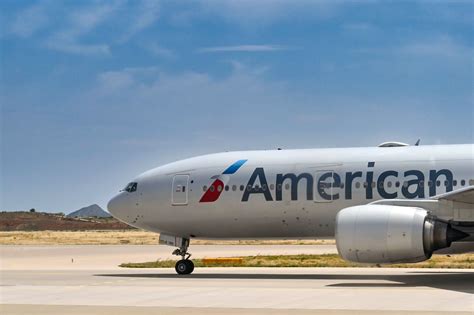
Once a staple of American’s European network, the JFK-Barcelona link has struggled to maintain viability during winter months. Despite high demand in summer, colder seasons see reduced travel, prompting the carrier to refocus capacity elsewhere. This decision follows a similar pattern seen in 2024 and underscores a broader seasonal strategy shift across American’s European operations.
While American’s official statement cited “capacity growth plan evaluations” as the basis for these adjustments, analysts suggest the deeper issue lies with aircraft availability constraints caused by Boeing 787 delivery delays. With a limited number of widebody jets available, the airline appears to be prioritizing routes with stronger winter demand and more stable profitability metrics.
Miami to Paris: Restart Delayed Two Weeks
American Airlines has also delayed the seasonal resumption of its route between Miami International Airport (MIA) and Paris Charles de Gaulle Airport (CDG). Initially scheduled to restart on December 2, 2025, the flight will now begin operating on December 18, 2025, a two-week setback that could affect travelers planning early holiday visits to France.
According to Cirium data, the Miami-Paris route had previously utilized both Boeing 777-200s and Boeing 787-8s. The 16-day delay in its restart could have ripple effects on connecting flights and travel itineraries built around the original schedule. American did not cite a specific reason for the rescheduling, but historical patterns and prior communications suggest that ongoing 787-9 delivery issues may be the underlying factor.

Passengers affected by the Miami-Paris delay, along with those booked on the suspended Copenhagen and Barcelona flights, are being contacted directly. American Airlines stated that they will offer alternative travel options or full refunds in accordance with their customer-friendly schedule change policy.
Boeing 787 Delivery Delays: A Lingering Bottleneck
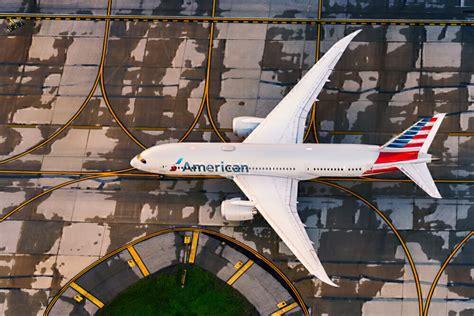
Though the airline has not officially linked the recent cuts to aircraft availability, delivery delays of the Boeing 787 Dreamliner are a well-documented challenge for American Airlines. The carrier is currently awaiting 28 Dreamliner aircraft, according to data from ch-aviation. These widebody jets are critical to American’s long-haul network, and delivery delays have previously forced the airline to cut services and reduce frequencies.
Back in January 2025, American made similar adjustments for the peak summer season, canceling three European routes and trimming capacity. At the time, the airline was candid in stating that changes were directly influenced by delayed aircraft deliveries. Given that the current modifications mirror that earlier pattern, it’s widely believed that the aircraft shortage remains unresolved.
The Boeing 787 is the backbone of American’s intercontinental strategy. Its fuel efficiency and range make it ideal for both high-demand routes and thinner markets where large aircraft would be less economically viable. Any interruption in its availability has direct and immediate consequences for network planning, especially in the transatlantic sector where margins can be tight.
Strategic Realignment for Off-Peak Efficiency
While aircraft constraints are a key factor, American Airlines’ fall and winter capacity strategy also reflects a more calculated effort to streamline operations during slower months. The airline’s decision to suspend or delay certain services, rather than spread thin its available fleet, signals a disciplined approach to route planning.
A spokesperson for the airline summarized the rationale, saying: “As part of an evaluation of our capacity growth plans for 2025, American has made limited adjustments to its long-haul international network for off-peak travel this fall and winter. We’re proactively reaching out to impacted customers and apologize for any inconvenience.”
Despite the cuts, the carrier remains committed to maintaining a strong European presence, offering over 60 daily flights to more than 15 destinations across Europe during the winter season. These include key hubs such as London Heathrow, Madrid, Rome, and Amsterdam, which continue to generate consistent year-round demand.
Competitive Implications and Future Outlook
American Airlines’ latest schedule adjustments come at a time when major U.S. carriers are jockeying for post-pandemic transatlantic dominance. Both Delta Air Lines and United Airlines have taken aggressive stances in Europe, bolstering their presence with new routes and partnerships. In contrast, American’s tactical withdrawals—particularly from emerging or marginal markets—could offer competitors an opportunity to seize market share.
That said, the temporary nature of these suspensions leaves the door open for future recovery. If Boeing can accelerate Dreamliner deliveries, and demand stabilizes through 2026, American could feasibly resume all three routes with stronger support. However, without a predictable supply of aircraft, further network fluctuations may be inevitable.
In the interim, American must balance fleet management challenges, seasonal demand swings, and rising international competition, all while preserving customer loyalty amid frequent changes. Its proactive customer service efforts and commitment to maintaining a core European schedule help cushion the impact, but the long-term effects of these cuts will hinge on Boeing’s production timeline and the broader economic trajectory of international air travel.

Conclusion
The suspension of flights to Copenhagen and Barcelona, along with the delayed restart of Miami-Paris, highlights the delicate balance American Airlines must strike between operational capability and market demand. While passengers may feel the disruption this fall and winter, the changes reflect a broader effort to optimize resources amid unprecedented supply chain challenges. As the transatlantic travel landscape continues to evolve, American’s ability to respond dynamically will shape not just its seasonal performance, but its standing in the global aviation market for years to come.