Air India has announced a significant reduction in its international flight services, cutting its widebody aircraft operations by 15%. This decision, effective from June 20, will extend through at least mid-July, and comes in response to a series of challenges the airline has been facing, including a tragic crash and ongoing operational disruptions. The airline stated that the move is necessary to ensure the stability and efficiency of its services while minimizing inconvenience for passengers.
The timing of this decision coincides with a devastating incident on June 12, when an Air India flight carrying 230 passengers and 12 crew members crashed shortly after takeoff. The flight, en route to the United Kingdom, tragically crashed into a building near Ahmedabad Airport in Gujarat state, resulting in the deaths of 246 people. This incident marks a significant tragedy for Air India, as the plane involved was a Boeing 787-8 Dreamliner, a model that had not previously been associated with any fatal accidents. The crash, which is currently under investigation by authorities, left one passenger as the sole survivor, raising numerous questions about the safety protocols in place for such aircraft.
In addition to the devastating crash, Air India’s announcement also comes on the heels of ongoing geopolitical tensions in the Middle East, which have further compounded operational challenges. These tensions have led to disruptions in Air India’s operations, with a reported 83 flight cancellations over the past six days. Given these complications, the airline’s decision to reduce its international services aims to ensure that operations can be managed effectively during this period of heightened scrutiny and concern.
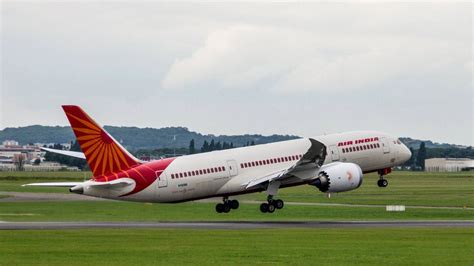
Air India has made it clear that the reduction in international service is part of a broader strategy to improve operational efficiency. The airline is currently undergoing safety inspections on its fleet of widebody aircraft, particularly the Boeing 787 Dreamliners, which have been a focal point of concern following the crash. According to the airline, 26 out of its 33 Dreamliners have now been returned to service after completing the required safety checks as mandated by the Directorate General of Civil Aviation (DGCA). In addition to the Dreamliner fleet, Air India is also performing “enhanced safety checks” on its Boeing 777 aircraft as a precaution. This proactive approach is part of the airline’s commitment to maintaining the highest levels of safety and operational integrity.
The tragic crash of the Air India flight on June 12 has raised serious questions about the airline’s operations, particularly regarding the safety of its aircraft. The Boeing 787-8 Dreamliner involved in the crash had accumulated more than 41,000 flying hours, a figure that is considered to be average for this model. Despite its extensive flying history, the crash has raised concerns about the safety measures in place for long-serving aircraft. Aviation experts are now closely monitoring the results of the investigation to determine the cause of the crash and to ensure that similar incidents do not occur in the future.
As the investigation continues, Air India’s decision to temporarily scale back its operations is likely to be seen as a necessary step to ensure the airline can maintain its services while addressing the immediate challenges it faces. The ongoing safety inspections and checks on its fleet are crucial to restoring confidence among passengers and the general public. Additionally, the airline’s proactive approach in offering flexible rescheduling and full refunds to affected passengers demonstrates a commitment to customer satisfaction during this challenging time.
For passengers affected by the reduced international services, Air India has announced that they will be given the option to reschedule their flights without incurring any additional charges. Alternatively, passengers may choose to receive a full refund if they no longer wish to travel during this period. The airline has emphasized that this decision was made with the goal of providing the best possible service to its customers while maintaining a focus on safety and operational stability.
In conclusion, Air India’s decision to reduce its international services by 15% comes as a response to a series of operational challenges, including a fatal crash and ongoing geopolitical tensions. The airline’s focus on safety, coupled with enhanced checks on its fleet, is aimed at ensuring the continued stability and reliability of its operations. Passengers affected by the changes will be given the option to reschedule their flights or receive full refunds, allowing the airline to manage this difficult period with transparency and customer care.