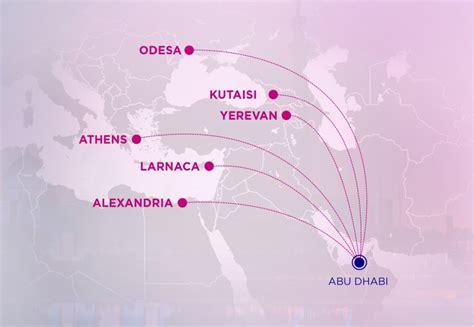
Zayed International Airport in Abu Dhabi has recently issued a critical advisory to travelers regarding persistent disruptions in flight operations, attributing these challenges to ongoing airspace closures across the Middle East. The airport has urged passengers to directly contact their airlines for the most current flight information before proceeding to the terminal. This situation escalated on June 13, when Zayed International Airport made its initial announcement about the travel issues, with delays and cancellations rapidly becoming a common occurrence. As a result, several major airlines, including Etihad Airways, Air Arabia, and Wizz Air, have suspended flights and rerouted operations to circumvent restricted airspace.
The implications of these disruptions are profound, particularly for Etihad Airways, a key player operating from Zayed International Airport. In light of the ongoing issues, the airline has faced significant operational challenges, leading to the suspension of multiple vital routes. Notably, Etihad Airways has announced the following route suspensions:
- Abu Dhabi (AUH) to Amman, Jordan (AMM) – suspended until June 20
- Abu Dhabi (AUH) to Tel Aviv, Israel (TLV) – suspended until June 22
In addition to suspending these routes, several other Etihad Airways flights have been rerouted due to airspace restrictions. These operational changes have contributed to delays in flight schedules, prompting the airline to recommend that passengers monitor its website and mobile app for the latest updates regarding their travel plans. Despite the disruptions, Etihad Airways has been working diligently to provide alternative options for affected travelers.
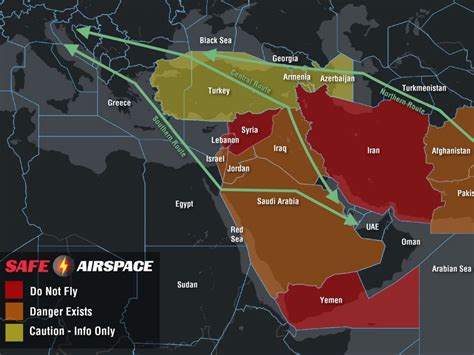
Similarly, Air Arabia, another major regional carrier, has also been significantly impacted by the ongoing flight disruptions. The airline has suspended several routes in response to the volatile situation in the Middle East, with cancellations affecting travelers to and from various destinations. The suspended routes include:
- Iran – suspended until June 30
- Iraq – suspended until June 30
- Jordan – suspended until June 20
- Russia – suspended until June 20
In light of these challenges, Air Arabia has been proactively working with its affected passengers to minimize disruption. The airline is providing options for rebooking and has been transparent about refund policies for flights that are no longer operational. Passengers are encouraged to stay informed through Air Arabia’s customer support channels for assistance during this tumultuous period.
Wizz Air Extends Flight Suspensions Until September 2025
Wizz Air has made headlines by extending its flight suspension to and from Tel Aviv, Israel, and Amman, Jordan, initially set to last until June 20. The airline announced that it would cease all flights to these destinations until September 15, 2025, citing escalating security concerns in the region. This extension reflects Wizz Air’s commitment to prioritizing passenger safety amid mounting instability in the Middle East. Additionally, the airline has decided to avoid flying through airspace over Israel, Iraq, Iran, and Syria for the foreseeable future, emphasizing that this decision was made with the utmost concern for the safety of passengers and crew members.
To ensure passenger confidence, Wizz Air has reassured travelers that their safety remains the airline’s top priority. The airline is collaborating with relevant authorities to evaluate potential risks and determine the safest flight paths. Furthermore, Wizz Air has reached out directly to passengers whose flights are affected, offering options for rebooking or full refunds. Customers who booked their tickets via third-party providers are advised to contact their booking agents for assistance. The airline has expressed gratitude to passengers for their patience and understanding during this challenging period, committing to provide regular updates as the situation evolves.
Wider Regional Impact and Ongoing Airspace Restrictions
The disruptions at Zayed International Airport have not only impacted individual airlines but have also created a ripple effect throughout the entire Middle East. The airspace closures and political tensions in the region have resulted in significant delays and diversions for flights, necessitating airlines to reroute aircraft to avoid conflict zones. This ongoing situation has severely disrupted the global flight network, especially for international carriers operating flights to and from the Middle East. These restrictions have led to longer flight times and increased operational costs for airlines, as they must adapt their flight paths accordingly.
For passengers, the consequences of these disruptions have included longer travel times, more frequent cancellations, and delays. Travelers on connecting flights have faced particular difficulties, as many hubs in Europe and Asia have experienced delays stemming from the ongoing issues in the Middle East. Airlines operating routes to Tel Aviv, Amman, Beirut, and other regional cities have been especially affected, with the closure of airspace over specific areas further compounding the problem.
Airlines’ Efforts to Minimize Disruption
Despite the myriad challenges, airlines have been tirelessly working to manage the situation and mitigate disruption for passengers. Many airlines have taken proactive measures to communicate with their passengers, providing timely updates on any changes to flight schedules. Social media platforms, customer support lines, and official airline websites have become indispensable tools for disseminating information in real time. In many instances, airlines have offered flexible rebooking options, allowing passengers to alter their travel dates or routes without incurring additional fees. For those whose flights have been canceled, airlines are providing full refunds or alternative travel arrangements. However, as the situation continues to evolve, further delays and cancellations remain a distinct possibility.
Future Outlook and Continued Monitoring
The Middle East has historically been a region prone to political instability, and the current scenario underscores the vulnerability of the region’s air travel system. Airlines, airports, and regulatory authorities are closely monitoring developments to ensure the safety of passengers and crew remains paramount. As tensions escalate, travelers heading to or from the Middle East should brace themselves for potential further disruptions. It is advisable for travelers to check with their airlines regularly for updates on their flights and to maintain flexibility in case their travel plans require adjustments. Moreover, the closure of airspace in conflict zones can lead to additional delays, resulting in longer flight routes and extended travel times.
As Zayed International Airport in Abu Dhabi continues to navigate significant flight disruptions stemming from airspace closures and escalating security concerns in the Middle East, the impacts are felt across the region. Several airlines have suspended flights, rerouted aircraft, and adjusted their operations to prioritize passenger safety. Travelers are strongly encouraged to stay informed about any changes to their travel schedules and to remain adaptable as the situation unfolds. While airlines are working diligently to minimize inconvenience, the possibility of further delays and cancellations looms large as regional tensions persist. Passengers are urged to consult with their airlines for the latest information and to explore rebooking or refund options if their flights are affected.