The global widebody aircraft market has spent much of the last decade celebrating the newest generation of aviation technology. Boeing 787 Dreamliner and Airbus A350 have become symbols of efficiency, composite structures, and the future of long-haul travel. However, behind the attention surrounding these flagship aircraft, Airbus has been quietly building a different kind of success story.
The Airbus A330neo is not designed to be the most revolutionary aircraft in the sky. Instead, Airbus has positioned it as something increasingly valuable in today’s airline industry: a modern, efficient, and financially attractive widebody aircraft that reduces risk while delivering competitive performance.
As airlines approach 2027, fleet decisions are becoming more complicated than simply choosing the aircraft with the newest technology. Aircraft availability, acquisition costs, maintenance requirements, pilot training, and long-term profitability now influence every major purchase decision. This changing environment has created an opportunity for the A330neo, which combines decades of operational experience with modern upgrades.
Rather than competing directly against the latest composite aircraft on technology alone, Airbus is presenting the A330neo as a practical investment. The message is simple: airlines do not always need the newest aircraft design to achieve strong financial results.
Airbus A330neo’s Value Strategy: Modernizing a Proven Widebody Platform
The foundation of the A330neo’s success is Airbus’ decision to improve an existing aircraft rather than develop an entirely new widebody program. This strategy allowed the manufacturer to avoid the enormous costs and risks associated with creating a clean-sheet aircraft while still introducing significant technological improvements.
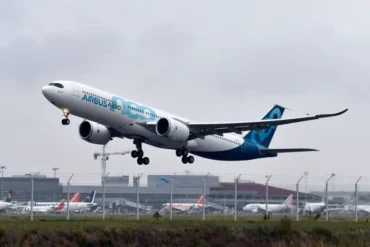
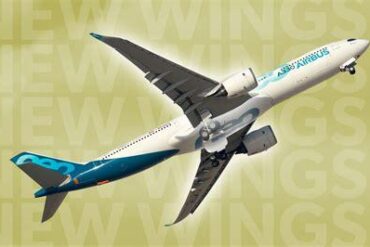
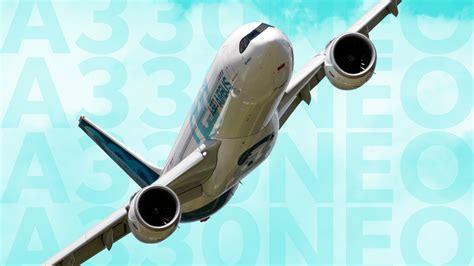
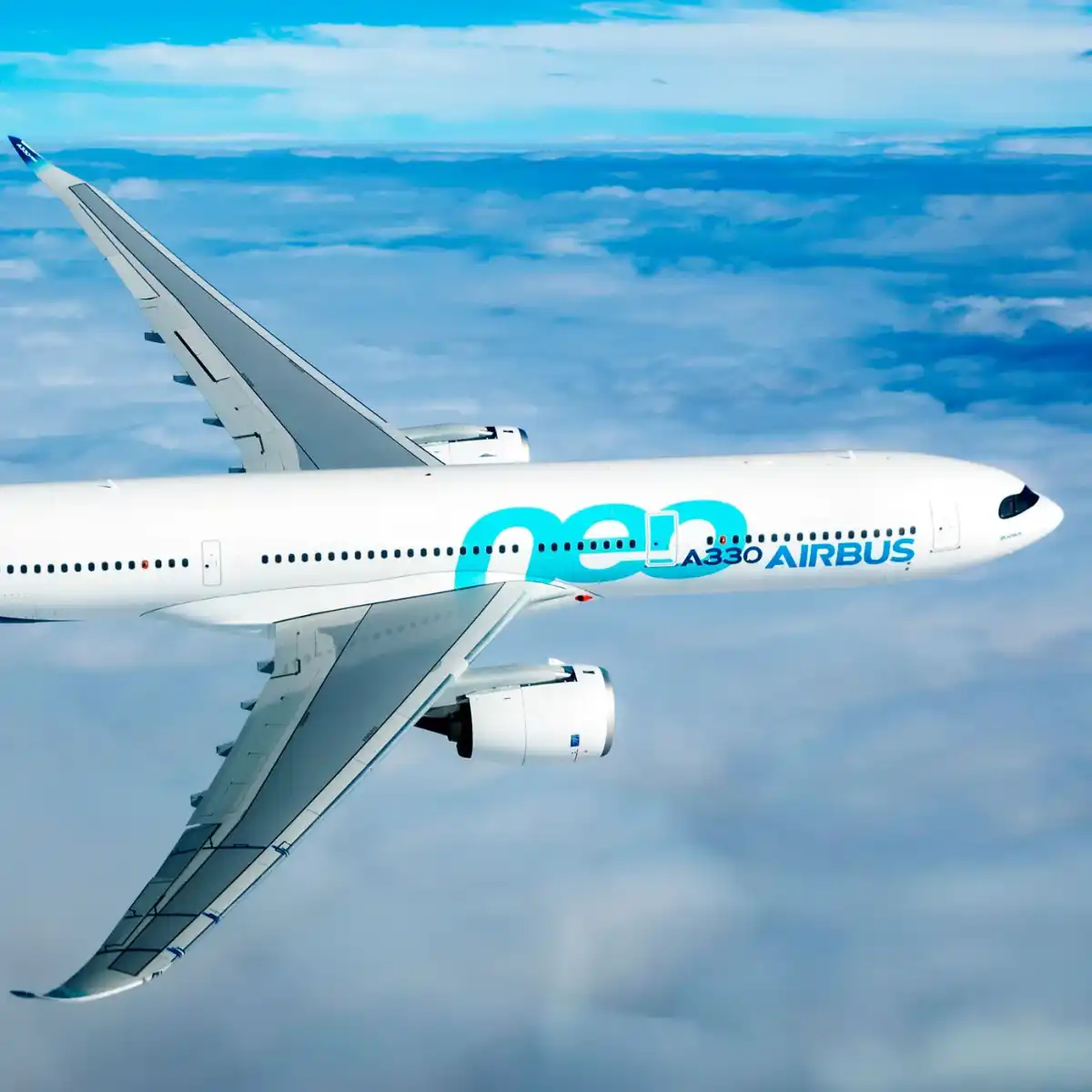
The A330-900neo builds on the successful A330 family, a platform with decades of operational experience and millions of flight hours worldwide. Airbus upgraded the aircraft with Rolls-Royce Trent 7000 engines, redesigned wings featuring larger composite winglets, aerodynamic improvements, and the modern Airspace cabin interior.
The result is an aircraft that looks familiar to airlines but delivers significantly improved economics. For carriers already operating older A330 aircraft, the transition is particularly attractive because the A330neo preserves much of the existing operational infrastructure.
Airbus estimates that airlines moving from previous-generation A330 variants can achieve approximately 95% operational commonality. This means flight crews require less additional training, maintenance teams can continue using existing expertise, and airlines can maintain greater compatibility with current spare parts and support systems.
For airlines managing large fleets, these savings can be just as important as fuel efficiency. A cheaper aircraft that enters service quickly and integrates smoothly can generate stronger financial returns than a more advanced aircraft requiring expensive adjustments.
The Airbus A330neo Is Becoming a Widebody Bargain for Airlines
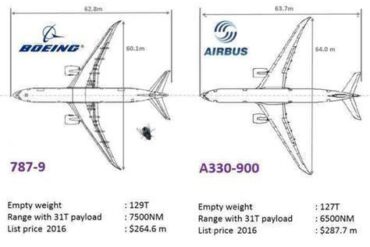
One of the biggest advantages behind the A330neo’s repositioning is its purchase price. While official aircraft list prices place modern widebody jets in a similar range, actual market transactions often differ significantly due to airline negotiations and manufacturer discounts.
In real-world deals, the Airbus A330-900 has frequently been positioned below competing aircraft in acquisition cost. This pricing advantage allows airlines to obtain a new-generation widebody aircraft without committing to the much higher investment levels often associated with newer composite aircraft.
The importance of this strategy has increased as airlines recover from pandemic-era financial pressures and continue dealing with rising fuel, labor, and infrastructure costs. Many carriers are searching for aircraft that provide efficiency improvements without creating excessive capital expenses.
The A330neo fits this requirement by offering a balance between affordability and technology. It does not attempt to replace every mission served by larger aircraft such as the A350-1000 or Boeing 777X. Instead, it targets the enormous middle section of the long-haul market where airlines need reliable capacity and reasonable operating costs.
Fuel Efficiency and Operating Costs Strengthen the A330neo’s Appeal
The A330neo’s financial advantage is not limited to its purchase price. Airbus has also focused heavily on improving the aircraft’s operating economics.
Compared with the previous-generation A330ceo, the A330neo delivers approximately 14% lower fuel consumption and CO2 emissions, according to Airbus. The improvement comes primarily from the new Rolls-Royce Trent 7000 engines, aerodynamic refinements, and improved wing design.
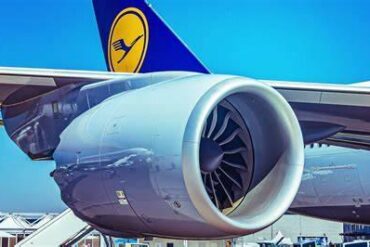
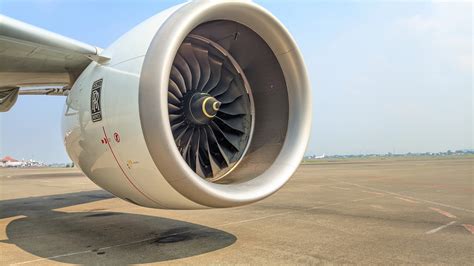
The Trent 7000 represents a major technological upgrade compared with the older Trent 700 engines. With a bypass ratio of around 10:1, the engine produces better fuel efficiency and lower noise levels while maintaining the reliability expected by airlines operating long-haul routes.
Airbus also promotes the A330neo’s lower operating costs compared with competing aircraft. The manufacturer claims the aircraft can achieve up to 7% lower cash operating costs per seat than the Boeing 787 on comparable missions.
Although manufacturer performance claims should always be evaluated alongside independent airline experience, the broader strategy is clear. Airbus is not selling the A330neo purely through technical specifications. Instead, it is selling profitability.
For many airlines, the most important question is not whether an aircraft is technologically superior. The key question is whether the aircraft can generate strong financial returns throughout its operational life.
Growing Orders Show Airlines Are Accepting Airbus’ A330neo Strategy
The strongest evidence of the A330neo’s changing market position comes from airline orders. After a slower introduction compared with Airbus’ expectations, the aircraft has gained momentum as carriers increasingly recognize its economic advantages.
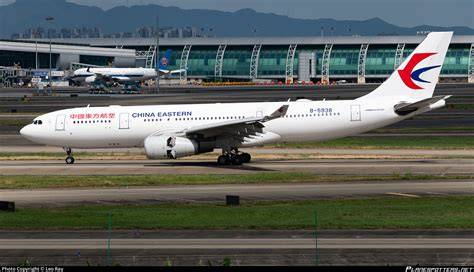
Several major airlines have expanded their commitments to the type. China Eastern Airlines placed a significant order for A330-900 aircraft, representing an important breakthrough in the Chinese widebody market. The deal demonstrated that the aircraft could attract major network carriers in one of the world’s most important aviation regions.
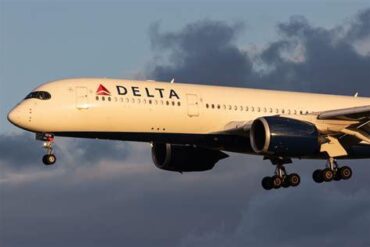
European carrier SAS also selected the A330-900 as part of its long-haul fleet renewal strategy, while Delta Air Lines continued increasing its A330neo fleet. Delta has become one of the largest operators of the aircraft, using it across important international routes where efficiency and passenger comfort are equally important.
The aircraft has also attracted interest from expanding airlines and leasing companies. Carriers such as Azul and Flynas have chosen the A330neo because it provides long-range capability without the financial burden of larger aircraft.
The diversity of customers highlights the aircraft’s flexibility. The A330neo is not limited to one business model. It can support premium international airlines, leisure operators, low-cost long-haul strategies, and fleet expansion programs.
Delivery Availability Gives Airbus a Hidden Advantage
In the modern aircraft market, production availability has become almost as important as aircraft performance. Airlines increasingly face long waiting times for new aircraft deliveries, with both Airbus and Boeing struggling to meet global demand.
The A350 and Boeing 787 remain highly desirable aircraft, but their production backlogs extend deep into the future. For airlines needing replacement capacity sooner, waiting several years can create operational challenges and financial losses.
The A330neo benefits from a more mature production system. Because it is based on an established aircraft family, Airbus can offer delivery opportunities that may arrive earlier than some competing widebody programs.
This advantage has become a powerful sales argument. Airlines are not only buying an aircraft; they are buying certainty.
A carrier receiving a new widebody earlier can retire older aircraft faster, reduce maintenance expenses, and begin generating revenue from additional capacity sooner. In a competitive aviation environment, delivery timing can directly influence profitability.
Why the Airbus A330neo Fits Global Airline Growth Through 2027
The A330neo occupies an important position between smaller long-range aircraft and larger flagship widebodies. Its range of approximately 7,200 nautical miles (13,334 kilometers) allows it to operate most long-haul routes currently flown by airlines around the world.
The aircraft can connect major markets across Europe, Asia, North America, the Middle East, and South America without requiring the extreme range capabilities of specialized aircraft.
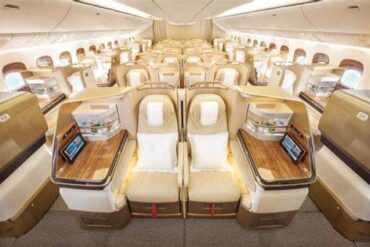
The larger A330-900 typically accommodates between 260 and 300 passengers in a three-class configuration, while offering high-density configurations with significantly higher capacity. This flexibility allows airlines to adapt the aircraft to different business models.
For premium airlines, the aircraft can provide comfortable long-haul service with modern cabins. For leisure and growing international carriers, it offers the ability to operate dense routes with lower financial risk.
The smaller A330-800neo also remains part of Airbus’ portfolio, although demand has overwhelmingly favored the larger A330-900 variant. Together, the two aircraft demonstrate Airbus’ strategy of maximizing the value of an established platform.
Airbus A330neo’s Future Role in the Widebody Market
Looking toward 2027 and beyond, the A330neo is likely to remain an important part of Airbus’ commercial aircraft strategy. While the A350 will continue representing Airbus’ flagship widebody technology, the A330neo serves a different purpose.
It is the aircraft for airlines that need efficiency without excessive complexity. It provides a bridge between aging aircraft fleets and the next generation of aviation technology.
Thousands of older widebody aircraft, including Airbus A330ceos, Boeing 767s, and early Boeing 777 models, will eventually require replacement. This creates a large opportunity for an aircraft that combines proven reliability with modern operating economics.
The A330neo’s success demonstrates an important shift in aviation purchasing decisions. Airlines are increasingly focused on total value rather than simply owning the newest aircraft available.
Airbus has quietly transformed the A330neo from an upgraded version of an existing aircraft into a strategic widebody solution for the next decade. By combining lower acquisition costs, strong efficiency, operational familiarity, and faster availability, the aircraft has become one of the industry’s most practical choices.
In 2027, the biggest winner in the widebody market may not necessarily be the aircraft with the most advanced technology. It may be the aircraft that delivers the best balance of cost, capability, and reliability. The Airbus A330neo is increasingly proving that value remains one of aviation’s most powerful advantages.