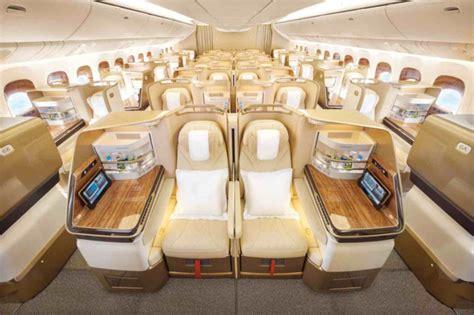
Premium Economy Has Quietly Become Aviation’s Biggest Value Revolution
For decades, long-haul air travel was defined by a simple choice: squeeze into economy or pay a dramatically higher price for business class. In 2026, that old calculation is changing. Premium economy has emerged as the cabin class delivering the strongest balance between comfort, affordability, and overall travel experience, becoming the option many passengers are choosing when they want something significantly better without spending thousands of extra dollars.
The transformation has been gradual but undeniable. What was once considered a niche product reserved for a handful of international routes has become a major component of modern airline strategies. Around 45% of the world’s widebody aircraft now feature premium economy seating, while adoption across North American widebody fleets has reached approximately 90%. Airlines are no longer treating premium economy as an experiment. They are designing entire aircraft interiors around it.
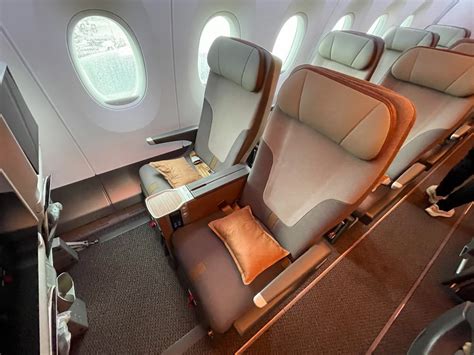
The reason behind this growth is simple: travelers have changed. After years of evolving travel habits, passengers are increasingly willing to spend more for comfort on flights lasting eight hours or longer. At the same time, companies are becoming more cautious about expensive business-class travel, creating demand for a cabin that offers many practical benefits without the premium price.
Premium economy has become the answer to a question airlines have been trying to solve for years: how can they offer a better passenger experience while keeping fares accessible? The result is a cabin that sits between economy and business class, but increasingly feels like its own distinct category rather than a compromise.
From Experimental Cabin To Mainstream Long-Haul Product
The idea behind premium economy is not new. Airlines such as Virgin Atlantic and EVA Air helped introduce enhanced economy-style cabins during the early 1990s. However, for many years, premium economy remained inconsistent. Some airlines offered extra-legroom seats, while others created dedicated cabins with improved service.
The lack of standardization prevented premium economy from becoming a true global product. Passengers often had difficulty understanding what they were actually buying. One airline’s premium economy could resemble another airline’s economy-plus product, while another carrier might provide a significantly more refined experience.
That situation has changed dramatically with the arrival of modern long-haul aircraft such as the Airbus A350 and Boeing 787 Dreamliner. These aircraft were designed with more flexible cabin layouts, allowing airlines to dedicate more space to premium economy while maintaining operational efficiency.
Major global carriers including British Airways, Singapore Airlines, and United Airlines have invested heavily in premium economy products. Instead of asking whether an airline offers premium economy, travelers are now comparing which airline offers the best version.
That shift represents an important milestone. A product becomes mainstream when customers stop seeing it as an optional upgrade and start evaluating it as a normal travel choice.
The Real Reason Premium Economy Offers Better Value Than Business Class
The strongest argument for premium economy is not luxury. It is efficiency. The cabin provides a noticeable improvement in comfort while avoiding the enormous price jump associated with business class.
On many international routes in 2026, economy-class return fares may range between $750 and $1,000, depending on the destination and season. Premium economy commonly falls between $1,200 and $2,000, while business-class fares frequently exceed $3,500 and can climb beyond $5,000 during peak travel periods.
The pricing structure reveals why premium economy has become so attractive. The difference between economy and premium economy is often a manageable increase, while the jump from premium economy to business class can be several thousand dollars.
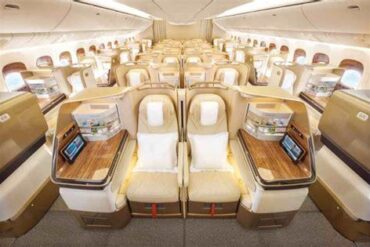
For many travelers, business class remains difficult to justify. A fully flat bed, airport lounge access, priority services, and premium dining are valuable benefits, especially on overnight flights. However, for passengers who simply want more space, better comfort, and a more relaxing journey, premium economy delivers most of the improvements that matter during a long flight.
Airlines understand this demand perfectly. Premium economy allows carriers to capture additional revenue from passengers who would never purchase business class but are willing to pay for a better experience. It creates a profitable middle ground where both airlines and passengers benefit.
Premium Economy Is More Than Just A Bigger Economy Seat
One of the biggest misconceptions about premium economy is that it is simply an economy seat with extra legroom. Modern premium economy cabins have evolved far beyond that.
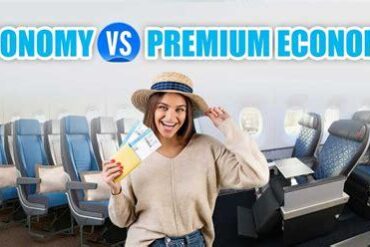
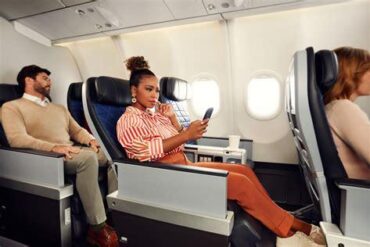
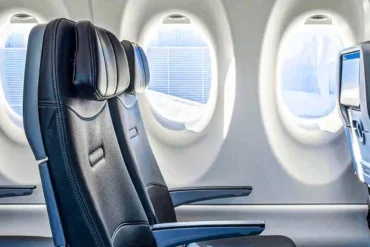
Most premium economy seats provide a width of approximately 18 to 19.5 inches, compared with around 17 to 18 inches in standard economy. While the difference may appear small on paper, those additional inches become extremely valuable during long flights.
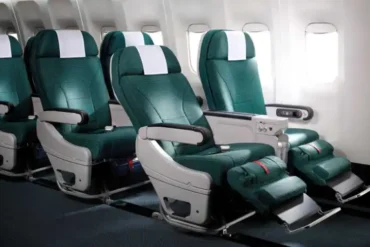
Seat pitch also improves significantly. Economy seats typically offer around 31 to 34 inches of pitch, while premium economy commonly provides 37 to 42 inches. This additional personal space allows passengers to move more naturally, stretch their legs, and maintain a more comfortable position during extended journeys.
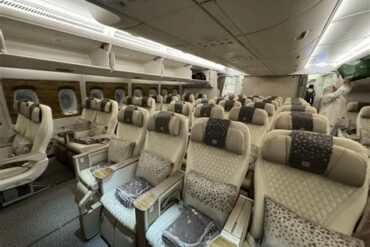
Many airlines also include features such as adjustable leg rests, footrests, deeper recline, improved cushioning, larger entertainment screens, and upgraded meal services. These details combine to create a fundamentally different experience.
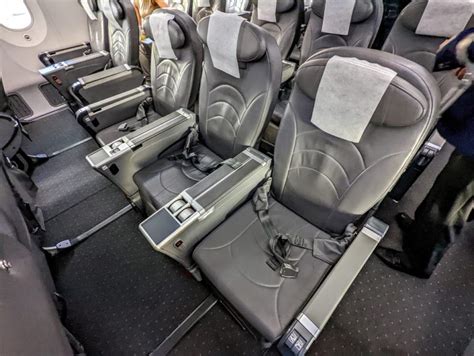
The improvements extend beyond the seat itself. Premium economy passengers often receive additional baggage allowance, priority check-in, priority boarding, enhanced amenity kits, and upgraded meal presentation using better tableware.
Perhaps one of the most underrated advantages is the cabin environment. Premium economy cabins are usually smaller and quieter than economy sections. Fewer passengers mean shorter lines, easier access to overhead storage, and a calmer atmosphere throughout the flight.
For overnight journeys and ultra-long-haul routes, these small advantages accumulate. A slightly wider seat, fewer disturbances, and better service can significantly change how passengers feel after spending half a day inside an aircraft.
Why Long-Haul Travelers Benefit The Most From Premium Economy
The value of premium economy becomes clearer as flight duration increases. A two-hour flight rarely justifies paying significantly more for additional comfort, but a 12-hour journey creates an entirely different calculation.
Consider routes connecting continents. A flight from New York to London may last around seven hours, while services between Los Angeles and Sydney can exceed 14 hours. During these journeys, passengers are not simply traveling from one location to another. They are spending an entire day inside a confined environment.
On longer flights, seat design, personal space, and comfort become critical factors. A few extra inches of space can make it easier to sleep, work, read, or simply relax.
One of the clearest examples of this trend is Qantas’s Project Sunrise program. The airline plans to operate ultra-long-haul services using specially configured Airbus A350-1000ULR aircraft capable of flights lasting up to approximately 22 hours. The aircraft will feature only 238 seats, including 40 premium economy seats, prioritizing passenger comfort over maximum capacity.
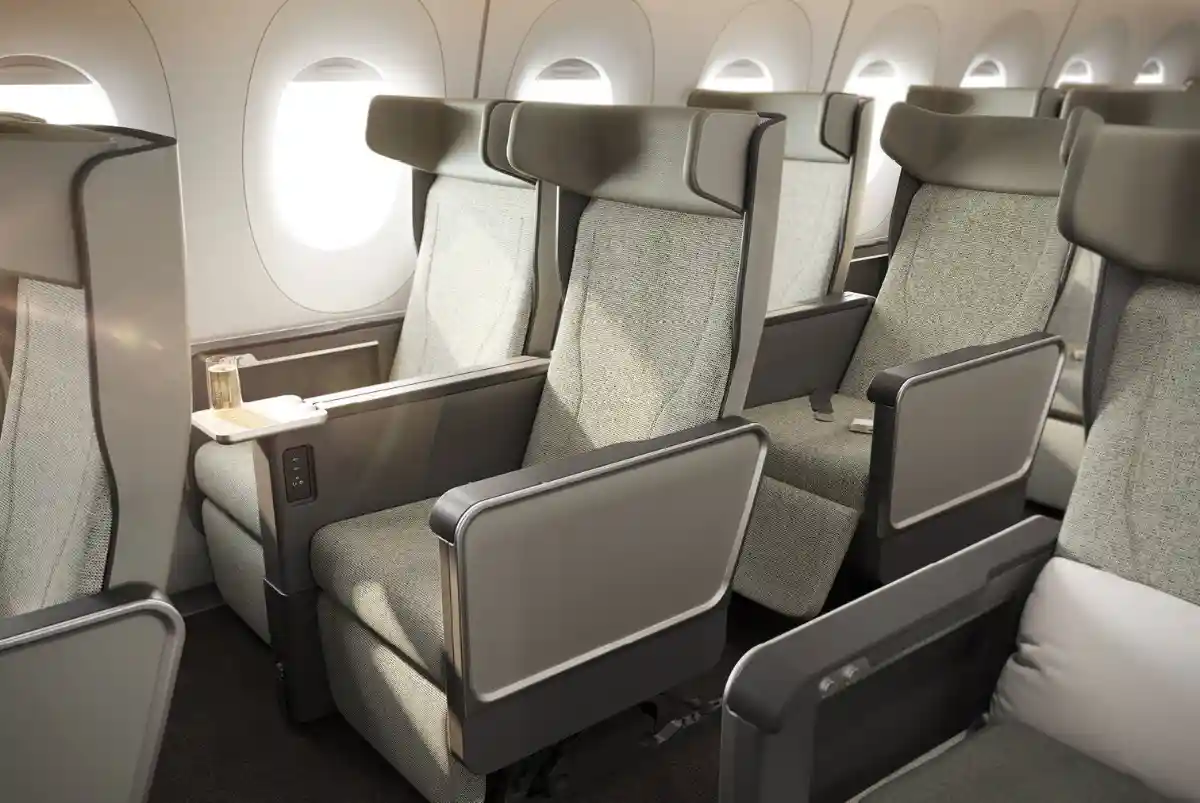
Premium economy is particularly valuable on daytime long-haul flights. When passengers are awake for most of the journey, the benefits of extra space, improved seating, and better service become more important than having a fully flat bed.
However, overnight flights require a different calculation. For travelers arriving directly at an important meeting or event, business class may still provide a meaningful advantage because sleep quality becomes a productivity issue.
The key difference is that premium economy solves the comfort problem for most travelers, while business class solves the rest problem for those who need maximum recovery.
Why Airlines Are Expanding Premium Economy Across Their Fleets
Passenger demand is only one reason premium economy is growing. Airlines are also attracted by the economics of the cabin.
Premium economy uses more space than economy but significantly less space than business class. This allows airlines to generate higher revenue from each section of the aircraft without sacrificing too many seats.
The cabin has become especially important as airlines adjust to changes in corporate travel. Many companies now require employees to justify business-class bookings, particularly for shorter long-haul routes. Premium economy offers a practical alternative that provides employees with additional comfort while helping companies control expenses.
At the same time, leisure travelers have become a major force in premium aviation. More passengers are willing to spend extra money on milestone vacations, family visits, and once-in-a-lifetime trips. Instead of viewing premium cabins as exclusively corporate products, airlines now recognize that affluent leisure travelers represent a significant market.
Airlines are also upgrading older aircraft interiors. Programs such as Lufthansa’s Allegris cabin modernization demonstrate how carriers are investing heavily in next-generation premium experiences.
The result is a broader global trend: premium economy is becoming a permanent part of long-haul aviation rather than a temporary market opportunity.
The Smart Traveler Knows When Premium Economy Is Worth It
Although premium economy often represents excellent value, it is not automatically the right choice for every journey. Airline pricing changes constantly based on demand, competition, and remaining seat availability.
A traveler should always examine the actual fare difference between cabins. Sometimes business-class promotions, upgrade offers, or loyalty-program opportunities can reduce the gap enough to make business class the better option.
In other situations, premium economy may provide the ideal balance. A passenger flying during the day on a 10-hour route may gain nearly all the comfort improvements they need without paying for features they will not fully use.
Upgrade systems have also changed the equation. Airlines increasingly offer discounted upgrades through mobile apps, bidding systems, and frequent-flyer programs. A passenger who understands these opportunities can often maximize value.
The smartest approach is not choosing premium economy simply because it sits between two cabins. It is evaluating what comfort matters most for a specific journey.
Premium Economy Has Become The Sweet Spot Of Long-Haul Travel
The rise of premium economy reflects a broader change in aviation. Travelers are no longer choosing only between the cheapest option and the most luxurious option. They are searching for the cabin that delivers the best return on every dollar spent.
In 2026, premium economy has reached that point. It provides more space, better service, improved comfort, and a quieter environment while avoiding the enormous financial commitment of business class.
For most long-haul passengers, especially those flying eight hours or more, premium economy represents one of the strongest value propositions in modern commercial aviation. It is not luxury, but it is no longer just an upgraded economy seat either.
The cabin has quietly transformed into the place where comfort and cost meet. And as airlines continue expanding premium economy across their fleets, it may become the preferred choice for a new generation of long-distance travelers.