For more than a decade, the aviation industry promoted a compelling vision of the future. New-generation aircraft such as the Airbus A350 and Boeing 787 Dreamliner promised lower fuel consumption, reduced operating costs, and the ability to connect distant cities nonstop with greater efficiency than ever before. Travelers naturally assumed these technological breakthroughs would eventually translate into cheaper fares on some of the world’s longest routes.
Instead, 2026 has delivered the opposite outcome.
Passengers flying between cities such as Singapore and New York, London and Sydney, or Los Angeles and Dubai are facing noticeably higher ticket prices across virtually every cabin class. Economy fares have increased, premium economy continues to command higher premiums, and business-class travelers are discovering that even when advertised fares appear stable, the actual cost of travel has quietly climbed.
The reasons behind this trend go far beyond ordinary inflation. A combination of geopolitical instability, rising fuel prices, airspace disruptions, environmental regulations, strong travel demand, and the unique economics of ultra-long-haul operations has created a perfect storm for airfare increases.
Understanding why these flights are becoming more expensive reveals a broader truth about modern aviation: technological progress alone cannot overcome every economic challenge facing airlines.
The Promise of Cheaper Ultra-Long-Haul Travel Never Fully Materialized
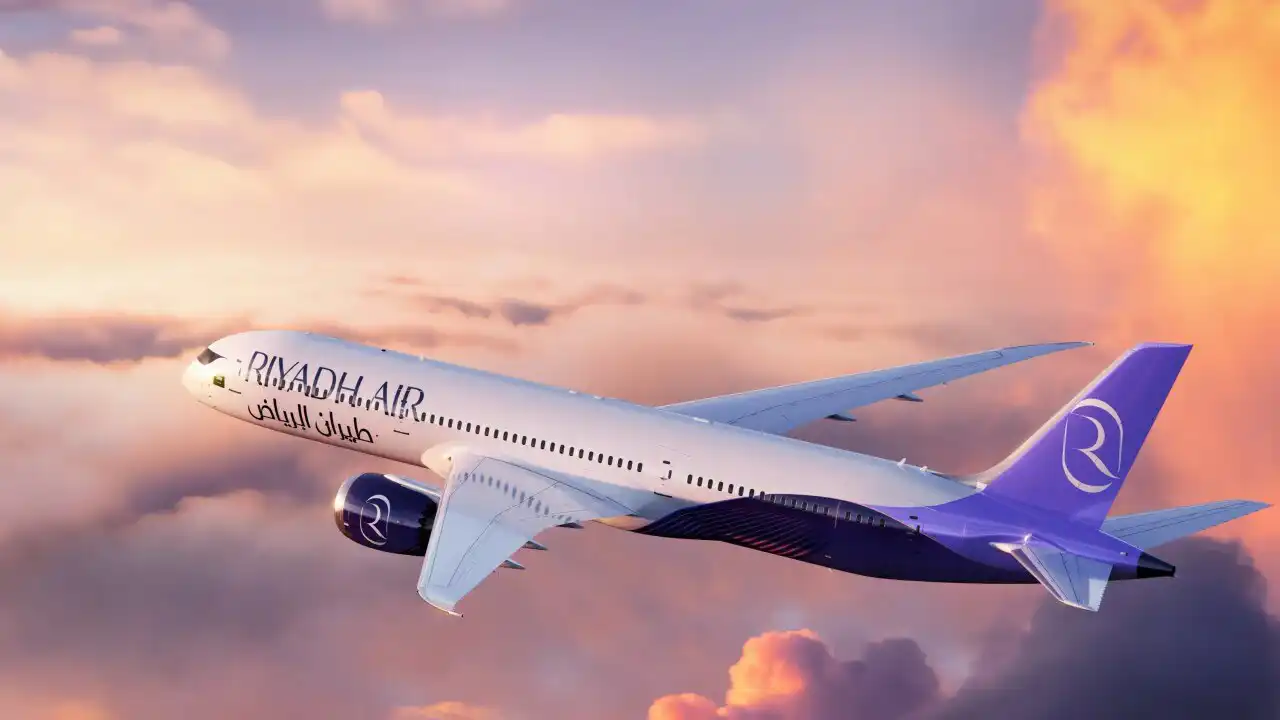
When airlines began introducing aircraft like the Boeing 787 and Airbus A350, industry analysts predicted a new era of affordable long-distance travel.
These aircraft represented major advances in aviation engineering. Their lightweight composite structures, advanced engines, improved aerodynamics, and sophisticated flight management systems dramatically reduced fuel consumption compared to older widebody aircraft.
Routes that once seemed economically impossible suddenly became viable.
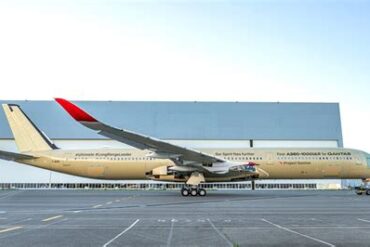
Airlines launched ambitious nonstop services connecting cities separated by more than 8,000 miles. Singapore Airlines restored nonstop flights to New York. Qantas pushed forward with plans for ultra-long-range operations linking Australia directly with Europe and North America. Airlines around the world expanded their long-haul networks in anticipation of growing demand.
Yet while these aircraft reduced operating costs on a per-seat basis, they never eliminated the fundamental expenses associated with flying passengers halfway around the globe.
Technology improved efficiency, but efficiency is only one component of airline economics.
As new cost pressures emerged throughout the decade, many of the savings generated by modern aircraft were absorbed by factors beyond airlines’ control.
By 2026, those pressures have intensified dramatically.
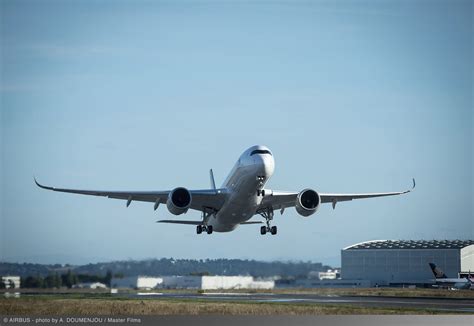
The Iran Conflict Triggered a Massive Jet Fuel Price Shock
The most immediate catalyst behind rising ultra-long-haul fares has been the sharp increase in global jet fuel prices.
Following escalating conflict involving Iran during early 2026, energy markets reacted swiftly. Concerns about regional stability, supply disruptions, and broader geopolitical risks pushed fuel prices sharply higher.
Before the crisis, jet fuel traded at approximately US$85 to US$90 per barrel. Within a short period, prices surged toward US$150 to US$200 per barrel, creating enormous financial pressure for airlines worldwide.
Fuel has always represented one of the largest operating expenses for carriers, but ultra-long-haul routes are especially vulnerable.
A short domestic flight may absorb fuel cost increases relatively easily because fuel consumption remains limited. An ultra-long-haul flight lasting 16 to 20 hours consumes extraordinary amounts of fuel throughout taxi, takeoff, climb, cruise, descent, and reserve operations.
Every additional dollar spent on fuel has a multiplied impact when an aircraft remains airborne for nearly an entire day.
Routes such as:
- Singapore–New York
- Sydney–London
- Dubai–Los Angeles
- Auckland–New York
- Perth–London
all experienced significantly higher operating costs almost overnight.
Airlines responded in the most predictable way possible: passing much of the increased expense directly to passengers.
Fuel surcharges rose rapidly across numerous international carriers. Some premium-cabin passengers now face fuel-related fees amounting to several hundred dollars on round-trip itineraries.
The result has been a noticeable increase in ticket prices even before considering any other economic factors.
Airspace Closures Are Making Flights Longer and More Expensive
Fuel costs alone do not explain the full picture.
The conflict in the Middle East has also disrupted some of the world’s most important aviation corridors.
Commercial airlines depend on carefully optimized flight paths that minimize distance, fuel burn, and travel time. When geopolitical events make certain airspace unavailable or risky, carriers must reroute flights around restricted areas.
In 2026, portions of airspace near Iran, Iraq, Syria, and neighboring regions have become increasingly difficult for airlines to use.
For flights connecting Europe and Asia, these disruptions have created major operational challenges.
Routes that previously followed direct paths now require lengthy detours. Even seemingly modest deviations can have substantial financial consequences.
An extra hour of flight time may appear insignificant from a passenger perspective, but for an airline it can trigger a cascade of additional expenses.
Longer routes increase:
- Fuel consumption
- Crew costs
- Maintenance requirements
- Aircraft utilization expenses
- Scheduling complexity
- Airport coordination costs
A widebody aircraft earning revenue on one route cannot simultaneously operate another. When flight times increase, overall fleet productivity decreases.
That means airlines effectively earn less revenue from each aircraft while spending more to operate it.
The economic impact becomes especially severe on routes already operating near profitability thresholds.
Record Passenger Demand Has Strengthened Airline Pricing Power
Another major factor driving airfare inflation is exceptionally strong travel demand.
Unlike previous decades, airlines are no longer struggling to fill seats on many international routes.
Global load factors have remained near historically high levels, with airlines filling approximately 84 percent of available seats. That figure represents one of the strongest demand environments in modern aviation history.
This fundamentally changes how airlines approach pricing.
During the 2010s, carriers frequently launched aggressive fare wars. Flash sales, deeply discounted premium seats, last-minute upgrades, and promotional pricing became common tools for filling excess capacity.
Today’s environment looks very different.
Most airlines simply do not need to discount seats as aggressively because customers continue booking flights despite higher prices.
Advanced revenue management systems continuously analyze booking patterns and adjust fares accordingly. When airlines know demand remains strong, they can raise prices with greater confidence.
Passengers are therefore encountering:
- Fewer discounted fares
- Reduced award-seat availability
- Higher last-minute prices
- More expensive upgrades
- Smaller promotional offers
The balance of power has shifted significantly from consumers back toward airlines.
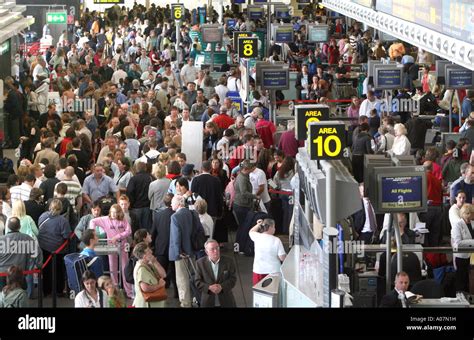
Premium Cabin Pricing Is Becoming Increasingly Complex
Business-class and first-class travelers face an additional challenge that is less obvious but equally important.
Many airlines are transforming premium cabin pricing through a process commonly known as unbundling.
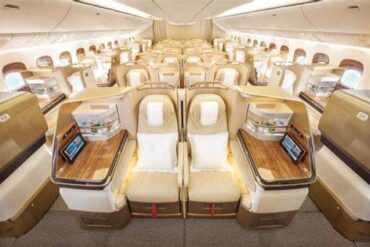
Traditionally, a business-class ticket included a comprehensive package of benefits. Passengers received lounge access, priority boarding, flexible ticket changes, baggage allowances, seat selection, and other premium services within a single fare.
That model is changing.
Airlines have discovered they can increase revenue by separating these benefits into multiple pricing tiers.
A traveler may purchase a lower-priced business-class fare only to discover that certain perks once considered standard are no longer included.
Services increasingly sold separately include:
- Lounge access
- Flexible rebooking
- Refundability
- Premium seat selection
- Additional baggage privileges
At first glance, advertised fares may appear unchanged or even slightly lower.
However, once travelers add the services they actually want, total trip costs often exceed what they would have paid under the previous bundled model.
This strategy mirrors the evolution of economy-class pricing, where baggage fees and seat selection charges gradually became normalized across the industry.
For airlines, the approach generates higher revenue while creating the appearance of price stability.
For travelers, the actual cost of flying premium cabins continues to rise.
The Unique Economics of Ultra-Long-Haul Flights Remain Challenging
Even with modern aircraft, ultra-long-haul flying remains one of the most expensive segments of commercial aviation.
Flights exceeding 14 hours create operational requirements that simply do not exist on shorter routes.
Crew regulations are among the most significant factors.
Pilots and cabin crew cannot legally work unlimited hours. Ultra-long-haul flights therefore require augmented crews, meaning additional pilots and flight attendants must be carried onboard.
Those employees require designated rest areas throughout the journey.
Crew rest compartments occupy valuable aircraft space that could otherwise generate revenue through passenger seating.
Airlines must also manage:
- Fatigue regulations
- Complex scheduling requirements
- Crew accommodations
- International staffing logistics
- Additional training programs
As flight durations approach 18 or 20 hours, labor-related costs become increasingly substantial.
The aircraft itself represents only part of the equation.
Supporting ultra-long-haul operations requires extensive infrastructure behind the scenes.
Airlines depend on carefully coordinated fuel planning, specialized maintenance arrangements, ground handling services, and diversion strategies spanning multiple continents.
Every component must function flawlessly because operational disruptions on ultra-long-haul routes can be extraordinarily expensive.
These realities explain why technological improvements have reduced costs without fundamentally changing the economics of extreme-distance flying.
Airport Fees and Infrastructure Costs Continue Rising
Many of the airports serving ultra-long-haul routes rank among the busiest and most expensive aviation hubs in the world.
Facilities such as:
- London Heathrow Airport
- Singapore Changi Airport
- Dubai International Airport
- Los Angeles International Airport
- John F. Kennedy International Airport
charge significant fees for aircraft operations.
Airlines pay for landing rights, terminal access, passenger processing, security services, parking positions, and numerous other operational requirements.
As airports invest billions in modernization projects and capacity expansions, many of those costs are ultimately passed along to airlines.
Carriers then incorporate those expenses into ticket pricing.
Because ultra-long-haul flights frequently operate from premium global hubs, passengers often bear a greater share of these infrastructure costs than travelers on shorter regional routes.
Sustainable Aviation Fuel Is Creating Long-Term Cost Pressure
While fuel shocks caused by geopolitical events may eventually ease, another source of cost inflation appears far more permanent.
Environmental regulations are reshaping airline economics worldwide.
Governments increasingly require airlines to incorporate Sustainable Aviation Fuel (SAF) into their fuel supplies as part of broader efforts to reduce aviation emissions.
The environmental rationale is clear.
Aviation faces mounting pressure to lower its carbon footprint, and SAF represents one of the industry’s most promising solutions.
The challenge is cost.
Current SAF production remains limited, and prices remain substantially higher than conventional jet fuel.
Depending on production methods and regional availability, SAF may cost two to four times more than traditional aviation fuel.
For ultra-long-haul flights, the impact becomes especially significant.
These routes consume enormous quantities of fuel, meaning even modest SAF blending requirements can add considerable expense.
Several airlines have already introduced environmental surcharges designed specifically to offset these costs.
European carriers are leading the trend, but similar measures are expected to expand globally throughout the coming years.
Unlike temporary geopolitical disruptions, SAF mandates are likely to become a permanent feature of airline operations.
As blending requirements increase over time, the associated costs will remain embedded within ticket prices.
Why Ultra-Long-Haul Flights Are Unlikely to Become Cheaper Soon
The aviation industry has made remarkable technological progress. Modern aircraft are quieter, cleaner, more efficient, and capable of flying farther than ever before.
Yet technology cannot eliminate every economic reality.
In 2026, ultra-long-haul airfare inflation reflects the convergence of several powerful forces. Fuel prices have surged following geopolitical instability. Airspace restrictions are forcing longer and less efficient routings. Passenger demand remains exceptionally strong. Airlines are extracting greater revenue through premium unbundling strategies. Environmental regulations are increasing operating costs. And the fundamental challenges of operating flights lasting 14 to 20 hours remain as demanding as ever.
The Airbus A350 and Boeing 787 have undoubtedly improved airline efficiency, but they have not rewritten the laws of aviation economics.
Flying passengers nonstop across oceans and continents remains an extraordinarily complex undertaking requiring vast amounts of fuel, labor, infrastructure, and coordination.
For travelers hoping that technological advances would make ultra-long-haul journeys dramatically cheaper, 2026 has delivered a different lesson. Efficiency gains may slow the growth of costs, but they are no longer powerful enough to offset the growing financial pressures facing airlines worldwide.
As a result, the era of ever-cheaper ultra-long-haul travel appears increasingly distant, while higher fares are becoming the new reality for passengers crossing the world’s longest air routes.
Frequently Asked Questions
Why are ultra-long-haul flights more expensive than regular long-haul flights?
Ultra-long-haul flights require additional crew members, specialized scheduling, larger fuel loads, crew rest facilities, and more complex operational planning. These factors significantly increase operating costs compared with conventional long-haul routes.
How much has the Iran conflict affected airline ticket prices?
The conflict contributed to a major rise in jet fuel prices, pushing fuel costs from roughly US$85–90 per barrel to as high as US$150–200 per barrel. Since fuel is one of the largest airline expenses, fares increased rapidly across many international routes.
What role does Sustainable Aviation Fuel play in airfare increases?
Sustainable Aviation Fuel is substantially more expensive than traditional jet fuel. As governments require higher SAF blending percentages, airlines are increasingly passing those costs to passengers through higher fares and environmental surcharges.
Will newer aircraft eventually reduce ultra-long-haul ticket prices?
New aircraft improve efficiency and reduce fuel consumption, but they cannot eliminate rising costs associated with labor, airport fees, environmental regulations, airspace restrictions, and global fuel markets. While technology helps, it is unlikely to produce major fare reductions in the near future.