For decades, aviation experts have predicted that technological progress would eventually weaken the dominance of the hub-and-spoke model. The arrival of fuel-efficient long-range aircraft such as the Boeing 787 Dreamliner and Airbus A350 seemed to make that prediction inevitable. More recently, ultra-long-range narrowbody aircraft including the Boeing 737 MAX and Airbus A321XLR have expanded the possibilities even further, allowing airlines to connect smaller markets across oceans without relying on massive hubs.
Yet a curious reality remains. Some of Europe’s largest metropolitan areas have never enjoyed regular nonstop service to the United States, while others have seen their direct connections disappear entirely. Despite growing populations, expanding economies, and thriving tourism industries, many major European cities still require travelers to connect through airports such as London Heathrow, Paris Charles de Gaulle, Amsterdam Schiphol, Frankfurt, or Istanbul before crossing the Atlantic.
The reasons are far more complex than simple geography. Behind every missing route lies a delicate equation involving passenger demand, aircraft economics, competition, airport infrastructure, and the changing priorities of global airlines. Understanding why some of Europe’s largest cities remain disconnected from the United States reveals a great deal about how modern aviation actually works.
By looking beyond passenger numbers and city populations, a clearer picture emerges of why certain destinations remain overlooked despite advances that supposedly made nonstop flying easier than ever.
The Myth That Bigger Cities Automatically Get More Flights
Many travelers assume that a large city naturally deserves direct long-haul air service. While population size certainly matters, airlines rarely make route decisions based solely on how many people live within city limits.
What matters most is the number of passengers willing to travel between two specific destinations on a consistent basis throughout the year. An urban area may contain millions of residents, but if only a relatively small portion travel to the United States regularly, airlines may struggle to fill aircraft profitably.
This concept is often measured through Passenger Daily Each Way (PDEW), a metric used extensively in route planning. Industry analysts generally estimate that around 200 passengers per day in each direction are needed to support a reliable transatlantic service. Falling significantly below that threshold can make a route financially risky, especially when operating expensive long-haul aircraft.
As a result, some surprisingly large European cities fail to generate enough direct demand to justify year-round nonstop flights. Rather than serving these destinations directly, airlines funnel passengers through major hubs where travelers from multiple cities can be combined onto a single transatlantic aircraft.
This strategy remains remarkably effective despite repeated predictions of its demise.
Why Hub Airports Continue to Dominate Transatlantic Travel
The modern airline industry revolves around concentration. Large hub airports create efficiencies that smaller cities simply cannot match.
When a carrier operates a transatlantic flight from London Heathrow, Frankfurt, or Amsterdam, passengers are not coming from a single city. They arrive from dozens or even hundreds of destinations connected through domestic and regional networks.
A traveler from Kraków, another from Ljubljana, and a third from Gothenburg may all board the same flight to New York after connecting through Frankfurt. Individually, none of these cities might generate enough demand for a nonstop service. Combined, however, they can easily fill a widebody aircraft.
This aggregation of passengers reduces risk and increases profitability. Airlines can maintain multiple daily departures, offer competitive fares, and provide greater scheduling flexibility.
Consequently, even technologically capable aircraft cannot always overcome the economic advantages created by giant hub airports.
Budapest: A Perfect Example of a Missing Transatlantic Link
Budapest provides one of the clearest illustrations of this challenge.
Hungary’s capital is one of Central Europe’s most important cities, attracting millions of tourists annually while serving as a major economic and cultural center. On paper, it appears to be an obvious candidate for direct flights to the United States.
Yet nonstop transatlantic service has repeatedly struggled there.
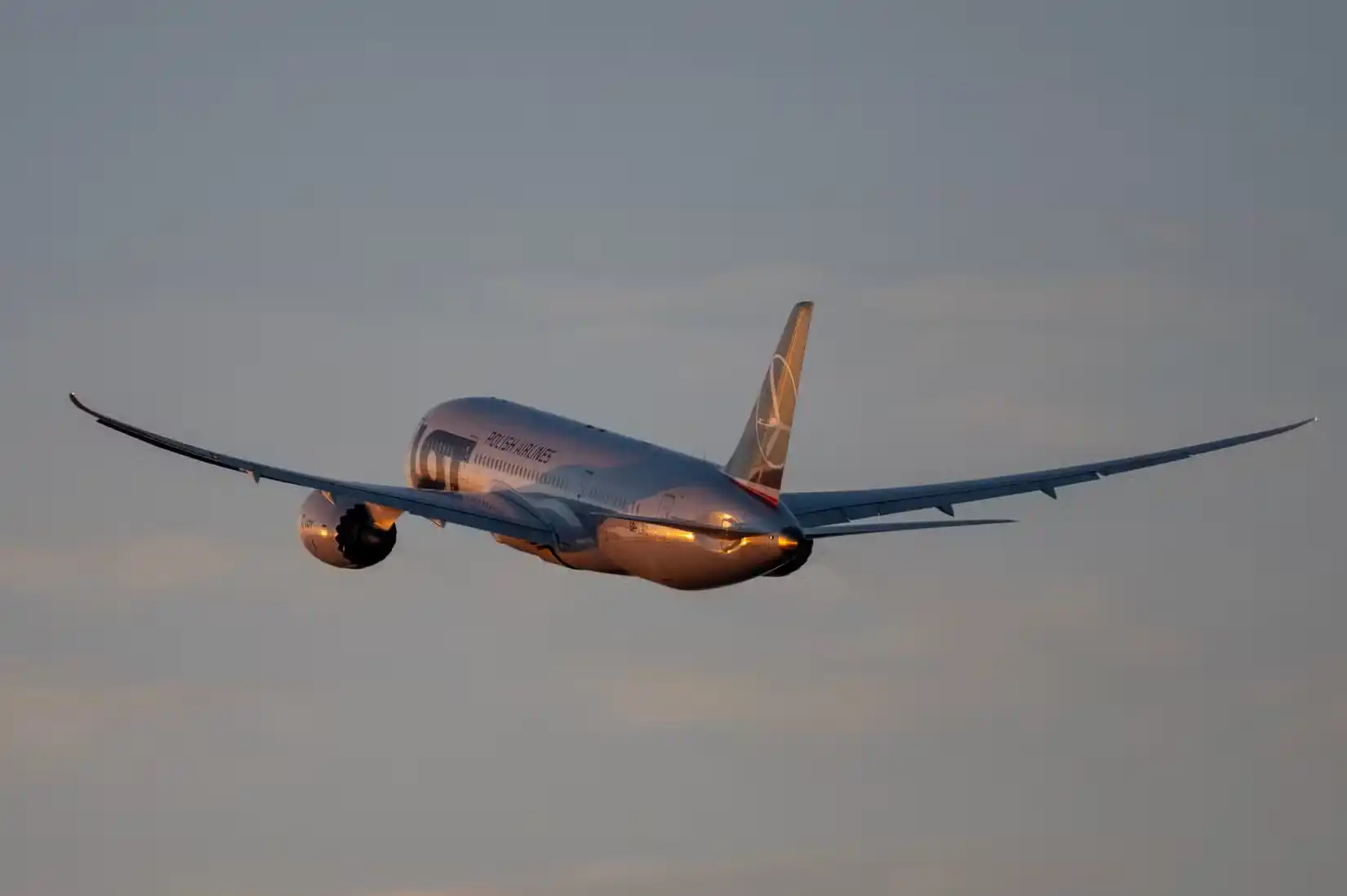
The city’s most recent connection disappeared in 2022 when LOT Polish Airlines ended its final route to North America. Since then, travelers heading to the United States have largely relied on connections through European hubs.
The issue is not that demand is nonexistent. Thousands of people travel between Budapest and North America every year. The challenge is that demand is often insufficiently concentrated to support profitable year-round operations.
Airlines must decide whether deploying a valuable aircraft to Budapest generates greater returns than assigning that same aircraft to destinations with stronger demand profiles. In many cases, the answer favors larger hubs or more established transatlantic markets.
Seasonal Flights Reveal the Limits of Demand
The growing popularity of seasonal transatlantic routes demonstrates how airlines attempt to balance opportunity with caution.
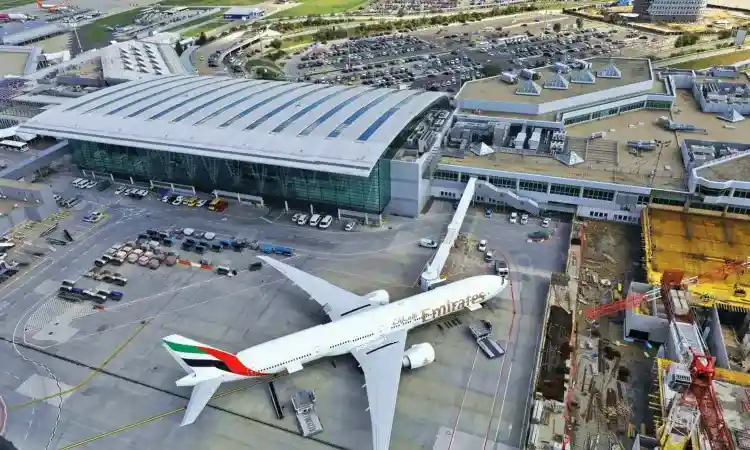
American Airlines recently announced services connecting Philadelphia with both Budapest and Prague during the summer travel season. These routes illustrate a broader industry strategy aimed at capturing peak tourism demand without committing to year-round operations.
During summer months, leisure travel surges dramatically. Tourists flock to European destinations, business travel remains active, and visiting-friends-and-relatives traffic reaches annual highs. Under these conditions, routes that would otherwise struggle can become viable.
However, once autumn arrives and passenger numbers decline, profitability often evaporates.
Seasonal scheduling allows airlines to maximize aircraft utilization during high-demand periods while avoiding losses during weaker months. The strategy has become increasingly common across the Atlantic, particularly for destinations that sit just below the threshold required for permanent service.
This explains why some European cities occasionally appear on airline route maps before disappearing again only months later.
The Aircraft Revolution That Could Change Everything
Although many cities still lack direct service today, a new generation of aircraft is gradually reshaping the economics of long-haul aviation.
Historically, transatlantic routes required large widebody jets carrying hundreds of passengers. Filling those seats consistently represented a major challenge for smaller markets.
Modern aircraft have altered that equation.
The Boeing 737 MAX and Airbus A321XLR can fly impressive transatlantic distances while carrying significantly fewer passengers than traditional widebodies. Their lower operating costs reduce the number of travelers needed for profitability.
This creates opportunities for what aviation planners call “long-thin routes” — city pairs that generate enough demand for direct flights but not enough to support larger aircraft.
United Airlines’ decision to restore nonstop service between Newark and Glasgow highlights this trend. Operated by the Boeing 737 MAX, the route demonstrates how smaller aircraft can reopen markets that previously could not sustain widebody operations.
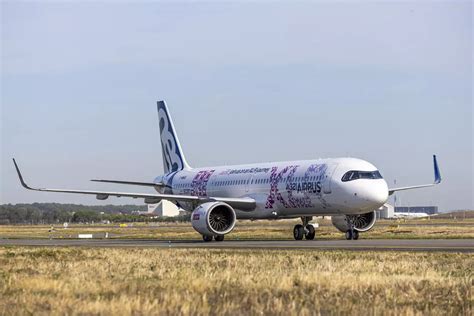
The A321XLR may prove even more transformative. With seating capacity typically around 200 passengers and exceptionally low operating costs, it occupies a sweet spot between regional narrowbodies and traditional long-haul aircraft.
Many analysts believe the aircraft will unlock dozens of previously impossible transatlantic routes over the coming decade.
Technology Alone Cannot Guarantee Success
Despite the excitement surrounding next-generation aircraft, technology is only one part of the equation.
Even the most efficient airplane cannot create passengers where demand does not exist. Airlines must still contend with economic cycles, tourism trends, geopolitical events, and changing consumer preferences.
Recent developments illustrate this reality vividly.
Several airlines have reduced or eliminated transatlantic routes despite operating modern fleets. United Airlines discontinued Newark–Tenerife service due to weak demand. Norse Atlantic withdrew routes from Miami to both Oslo and Berlin after load factors failed to meet expectations.
These decisions reveal an uncomfortable truth within aviation: a route can be operationally possible yet commercially unsustainable.
Aircraft efficiency helps reduce costs, but it does not eliminate market fundamentals.
Ultimately, every flight must attract enough passengers willing to pay fares that cover operating expenses while generating acceptable returns.
Why Some Existing Routes Are Disappearing
Perhaps the most surprising development in transatlantic aviation is that some cities are losing service rather than gaining it.
Route networks are constantly evolving. Airlines continuously evaluate performance data and adjust schedules accordingly.
When demand weakens, even established routes become vulnerable.
Recent industry data has revealed declines in transatlantic bookings on several important city pairs. Destinations such as Munich, Amsterdam, Athens, Barcelona, and Rome have experienced significant decreases in demand from North American travelers.
At the same time, certain alternative destinations have gained popularity. Portugal, particularly Lisbon and surrounding regions, has emerged as one of Europe’s fastest-growing tourism markets.
As travel patterns shift, airlines inevitably follow.
Routes that seemed secure only a few years ago may suddenly face intense scrutiny if passenger numbers begin to decline. This dynamic environment explains why network planning remains one of the most challenging aspects of airline management.

Passenger Preferences Are Complicating the Future
An additional factor shaping future route development is passenger perception.
Many travelers welcome the prospect of nonstop service from smaller cities. Avoiding connections saves time, reduces stress, and minimizes the risk of missed flights or lost luggage.
However, not everyone embraces the idea of crossing the Atlantic aboard a narrowbody aircraft.
Widebody jets generally offer larger cabins, wider aisles, greater passenger comfort, and more premium seating options. Business travelers in particular often prefer aircraft equipped with lie-flat seats and spacious cabins.
While newer narrowbody aircraft can provide impressive onboard products, many passengers remain skeptical about spending seven or eight hours inside a single-aisle cabin.
This creates an interesting dilemma. Airlines may possess aircraft capable of opening new routes, but passenger preferences can influence whether those routes ultimately succeed.
The economics may support a nonstop flight, yet customer expectations still matter enormously.
The Future of Direct Flights Between Europe and America
The next decade will likely produce a gradual expansion of nonstop service between secondary European cities and North America. Aircraft such as the Airbus A321XLR are specifically designed to make previously marginal routes economically attractive.
Cities that once lacked sufficient demand for widebody operations may finally gain direct links to the United States. Destinations across Central Europe, Scandinavia, and smaller Western European markets stand to benefit the most.
Nevertheless, the hub-and-spoke system is unlikely to disappear.
Major airports such as Heathrow, Frankfurt, Amsterdam, and Paris possess structural advantages that remain extraordinarily difficult to replicate. Their ability to combine passengers from vast networks ensures they will continue serving as critical gateways between continents.
The future is therefore unlikely to be a choice between hubs and point-to-point flying. Instead, aviation is moving toward a hybrid model where major hubs remain dominant while efficient long-range narrowbodies selectively connect underserved markets.
For travelers in Europe’s largest cities that still lack direct flights to America, that shift offers hope. Yet the existence of capable aircraft alone will never guarantee a route. Demand, economics, competition, and passenger behavior will continue to determine which cities finally earn a place on the transatlantic map and which remain dependent on connections for years to come.