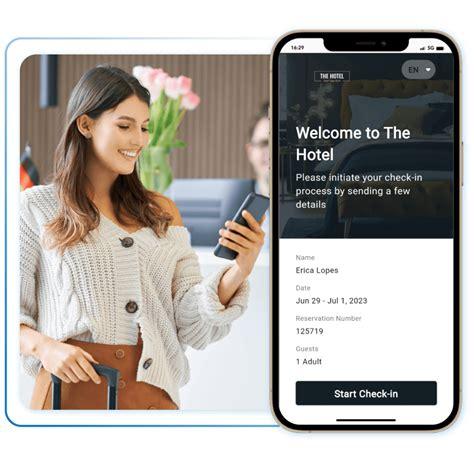
Hotel mobile check-in has quietly shifted from a novelty feature into a standard expectation across major hospitality brands. From the moment a reservation is confirmed, travelers are increasingly nudged to download an app, tap a button, and “skip the front desk.” It sounds efficient, modern, and frictionless. But the reality is far more nuanced.
The question isn’t whether mobile check-in works—it does. The real question is when it genuinely enhances your stay and when it quietly removes value from the hotel experience.
The Rise of Mobile Check-In in Modern Hospitality
Over the past decade, hotel groups have aggressively invested in digital transformation. Mobile apps now promise a seamless journey: confirm your arrival, choose your room, unlock your door, and never speak to a human if you don’t want to.
This shift mirrors the airline industry, where online check-in has become almost mandatory. Yet hotels are fundamentally different. A hotel stay is not just transactional—it’s experiential. Guests often expect personalization, upgrades, and human interaction, all of which can be diluted when everything is reduced to a screen tap.
Despite that, hotels continue to promote mobile check-in because it benefits operations. It reduces front desk congestion, lowers staffing pressure, and standardizes the guest flow. For travelers, the appeal lies in convenience—but convenience is only valuable when it aligns with your specific situation.
How Hotel Apps Actually Work Behind the Scenes
Not all hotel apps are created equal, and this is where expectations can clash with reality. Some apps offer little more than a digital “I’m arriving” button, while others provide deeper control over your stay.
In more advanced systems, guests can:
- Select specific rooms from a digital floor plan
- Receive push notifications when the room is ready
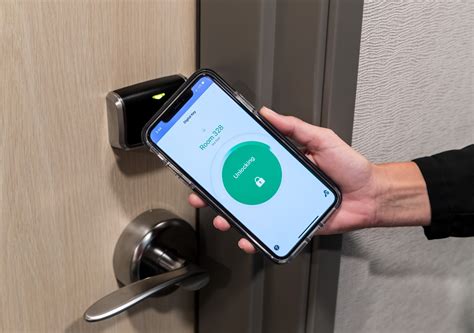
- Use a smartphone as a digital key
- Chat with hotel staff directly through the app
But even with these features, many hotels still require a stop at the front desk—whether to verify identification, confirm payment details, or troubleshoot digital key activation.
The result is a hybrid experience: part digital convenience, part traditional check-in ritual.
The Real Benefits of Mobile Check-In (When It Works Well)
When used strategically, mobile check-in can genuinely improve your arrival experience. The key is understanding where it shines.
1. Faster Arrival for Late-Night Check-Ins
Arriving at midnight after a long flight is not the moment to queue behind multiple guests. Mobile check-in ensures your reservation is active and reduces the risk of being “walked” (relocated due to overbooking). In these situations, speed and certainty matter more than personalization.
2. Short Stays Where Extras Don’t Matter
If you’re staying one night at a business hotel, the chances of meaningful upgrades or special requests are slim. Mobile check-in removes unnecessary friction and lets you get to your room faster.
3. When You’re Satisfied with Your Assigned Room
Some apps display your assigned room category in advance. If you’re already content with what you see, there’s little incentive to negotiate at the front desk. In this case, mobile check-in becomes a simple efficiency tool.
4. Reducing Minor Administrative Delays
Even when you still stop by the front desk, mobile check-in often pre-processes your details. That means shorter conversations, pre-prepared keys, and a quicker handoff. It’s not revolutionary—but it’s noticeably smoother.
Why Many Travelers Still Prefer the Front Desk
Despite the technology, a surprising number of seasoned travelers remain hesitant. And it’s not due to resistance to innovation—it’s because they understand what can be lost.
Human Interaction Still Has Strategic Value
The front desk is more than a formality. It’s where upgrades happen, where special requests are acknowledged, and where problems are proactively solved. A friendly conversation can lead to:
- Better room placement
- Complimentary perks
- Late check-out flexibility
These benefits are rarely optimized through an app interface.
Mobile Keys Aren’t Universally Trusted
The idea of unlocking your room with your phone sounds futuristic—but in practice, adoption has been slower than expected. Connectivity issues, battery concerns, and occasional glitches make some travelers prefer a physical keycard.
There’s also a psychological factor: a keycard feels reliable, while a phone-based system can feel like one more thing that might fail at the wrong moment.
When Mobile Check-In Is Actually a Mistake
Using mobile check-in at the wrong time can quietly cost you value.
1. When You’re Eligible for Upgrades
If you hold elite status or are staying at a higher-end property, skipping the front desk can reduce your chances of receiving a better room. Even when apps show availability, human discretion often plays a role in upgrades.
2. At Luxury or Resort Properties
Luxury hotels are designed around the arrival experience. The check-in process may include welcome drinks, personalized greetings, and detailed explanations of amenities. Rushing past this with a mobile check-in can strip away part of what you’re paying for.
3. When You Have Special Requests
Room preferences, early check-in, or specific needs are often better handled in person. Apps can capture requests—but they don’t negotiate, interpret tone, or adapt dynamically.
The Subtle Psychology Behind Guest Preferences
The divide between mobile and traditional check-in isn’t just about functionality—it’s about mindset.
Some travelers prioritize efficiency and autonomy, preferring minimal interaction. Others value control and personalization, seeing the front desk as an opportunity rather than an obstacle.
Interestingly, even tech-savvy travelers sometimes default to human interaction in hotels. Unlike airports, where the goal is to move quickly, hotels represent a temporary home. That shift in context changes expectations.
A Smarter Strategy: Blending Digital and Human Touchpoints
The most effective approach isn’t choosing one method over the other—it’s combining them intelligently.
Use mobile check-in to:
- Secure your reservation
- Signal your arrival time
- Reduce administrative delays
Then still stop by the front desk to:
- Confirm details
- Explore upgrade opportunities
- Establish rapport with staff
This hybrid approach delivers the best of both worlds: speed without sacrificing value.

So, Is Hotel Mobile Check-In Worth It?
Yes—but only when used with intention.
Mobile check-in is not a universal upgrade to the hotel experience. It’s a tool, and like any tool, its effectiveness depends on how and when you use it.
If your goal is efficiency, especially during late arrivals or short stays, it delivers. If your goal is maximizing comfort, upgrades, or personalized service, relying solely on an app can leave value on the table.
The smartest travelers don’t blindly follow the “skip the line” promise. They recognize that sometimes, the few minutes spent at the front desk can unlock far more than they cost.
In the end, mobile check-in doesn’t replace the traditional experience—it reshapes it. And those who understand that balance are the ones who get the most out of every stay.