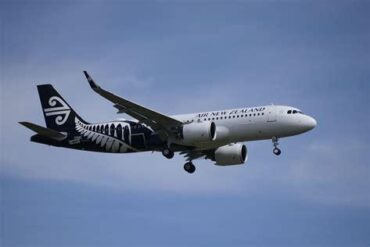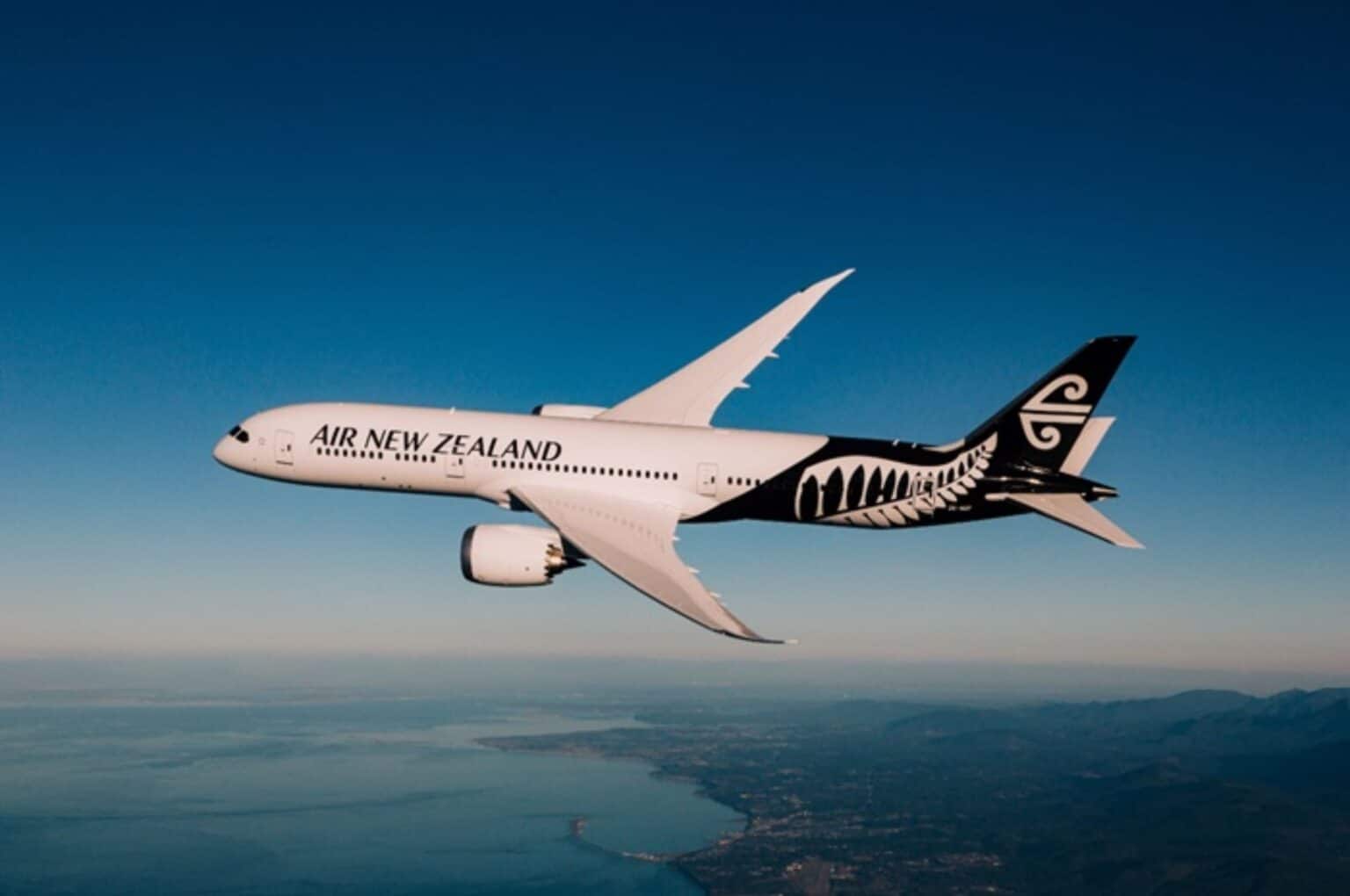
Air New Zealand is executing a decisive return to long-haul operations from Christchurch, signaling a strategic shift that repositions New Zealand’s South Island as a global aviation gateway. Beginning in late October, the airline will relaunch three critical international routes—Singapore, Tokyo Narita, and Perth—marking the first sustained widebody expansion from Christchurch since the pandemic reshaped global travel patterns.
This move is not merely a restoration of past connectivity. It represents a recalibrated vision for regional aviation growth, leveraging the efficiency and range of the Boeing 787-9 Dreamliner to reconnect Christchurch directly with Asia and Australia. As aircraft progressively return to the fleet, Air New Zealand is clearly transitioning from recovery mode into calculated expansion.
Christchurch Reclaims Its Long-Haul Status
Christchurch Airport, long overshadowed by Auckland in international capacity, is stepping back into prominence. The reinstatement of these routes reflects a broader ambition to decentralize international travel within New Zealand, easing congestion while unlocking economic potential in the South Island.
Air New Zealand’s renewed commitment is reinforced by a Memorandum of Understanding with Christchurch Airport, aimed at fostering long-term sustainable growth. This partnership underscores a shared objective: transforming Christchurch into a viable, year-round international hub capable of supporting both tourism and trade flows.
The airline’s leadership has emphasized that connectivity is no longer viewed through a single-city lens. Instead, the focus has shifted toward maximizing national value—ensuring regions like Canterbury gain direct access to global markets without requiring transit through Auckland.
Three Strategic Routes Reignite Global Links
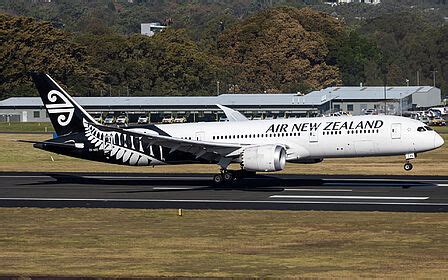
The relaunch centers on three previously served long-haul routes, each chosen for its economic significance and passenger demand profile. These routes will operate three times weekly using the Boeing 787-9 Dreamliner, balancing capacity with sustainable growth.
The Christchurch–Singapore service will be the first to return, commencing on October 28. Designed for both business and leisure travelers, the schedule features evening departures from Christchurch and overnight return flights, optimizing connectivity into Southeast Asia and beyond.
Tokyo Narita follows in late November, reestablishing a vital link between New Zealand and Japan. This route is particularly significant given its absence since 2015, making it the longest-dormant service to be revived. The timing aligns with Japan’s peak travel demand cycles, capturing both inbound tourism and outbound New Zealand traffic.
Perth, launching at the end of November, completes the trio. While shorter in distance, it plays a crucial role in trans-Tasman connectivity, linking the South Island directly with Western Australia’s economic hub. Its overnight return schedule ensures efficient aircraft utilization while appealing to both corporate and leisure segments.
Competitive Pressure and Strategic Alliances
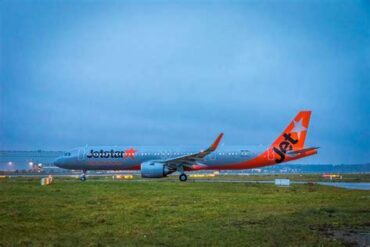
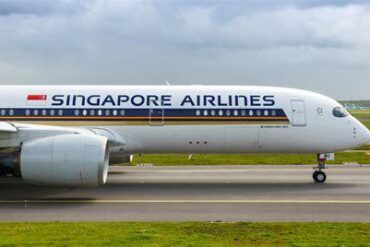
Two of the three routes will re-enter competitive markets. Services to Perth will face pressure from Jetstar, which has been steadily expanding its footprint between Australia and New Zealand. Meanwhile, the Singapore route intersects with Singapore Airlines’ established operations.
However, competition in this context is nuanced. Air New Zealand and Singapore Airlines maintain a joint venture agreement, allowing coordinated scheduling and shared commercial benefits. This transforms potential rivalry into a strategic advantage, enhancing connectivity options rather than fragmenting demand.
Tokyo stands out as a relatively uncontested route, offering Air New Zealand a first-mover advantage in rebuilding demand between Christchurch and Japan. This could prove pivotal in capturing early market share as international travel continues its steady rebound.
A Broader Network Reawakens in the South Island
The return of Air New Zealand’s long-haul services complements an already expanding international landscape at Christchurch Airport. Carriers such as Singapore Airlines and Emirates maintain year-round operations, while seasonal services from Cathay Pacific, China Southern, and United Airlines bolster connectivity during peak travel periods.
Recent additions, including Jetstar’s expansion into Cairns and Solomon Airlines’ upcoming Port Vila route, highlight a broader trend: Christchurch is evolving into a diversified international gateway. The airport’s proactive strategy in attracting carriers is now yielding tangible results.
This resurgence is particularly significant for regional economies. Direct international access reduces travel time, enhances tourism appeal, and strengthens trade links—all without routing passengers through Auckland.
Fleet Recovery Fuels Expansion Momentum
Underlying this expansion is the gradual return of Air New Zealand’s Boeing 787-9 fleet to full operational capacity. These aircraft are central to the airline’s long-haul strategy, offering fuel efficiency, extended range, and passenger comfort that align with modern travel expectations.
As more Dreamliners re-enter service, the airline has hinted at additional route announcements. This suggests that Christchurch’s revival may be only the beginning of a broader network expansion across the Asia-Pacific region.
The choice of the 787-9 is deliberate. Its economics allow Air New Zealand to operate long-haul routes with lower risk, enabling thinner routes like Christchurch–Tokyo to become viable again. This flexibility is critical in a post-pandemic environment where demand patterns remain dynamic.
Economic Impact and Regional Connectivity Gains
The implications extend far beyond aviation. Reinstating direct long-haul routes strengthens Christchurch’s position as a commercial and tourism hub, attracting investment while supporting local businesses. For travelers, the benefits are immediate—shorter journey times, fewer connections, and increased scheduling options.
Tourism operators in the South Island stand to gain significantly, as direct access from Asia and Australia simplifies itineraries for international visitors. Meanwhile, exporters benefit from improved cargo capacity on widebody aircraft, facilitating faster and more efficient trade flows.
Air New Zealand’s strategy reflects a broader industry trend: prioritizing point-to-point connectivity over traditional hub-and-spoke dominance. By empowering secondary cities like Christchurch, airlines can unlock new demand while enhancing network resilience.
A Calculated Return with Long-Term Vision
Air New Zealand’s decision to reinstate long-haul flying from Christchurch is both symbolic and strategic. It marks the end of a prolonged hiatus while laying the groundwork for sustained growth in the South Island.
Rather than a simple restoration of pre-pandemic routes, this expansion signals a forward-looking approach—one that balances operational efficiency, market demand, and regional development. Christchurch is no longer just a secondary gateway; it is emerging as a core pillar in New Zealand’s international aviation network.
As the first Dreamliners lift off toward Singapore, Tokyo, and Perth, they carry more than passengers. They represent a renewed confidence in global travel—and a clear statement that Christchurch is once again open to the world.