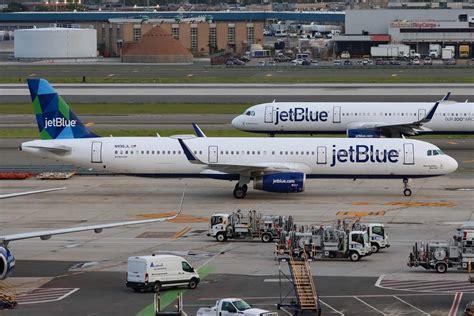
JetBlue Airways has decided to cancel its planned summer seasonal service between Boston Logan International Airport (BOS) and Sacramento International Airport (SMF) for 2026, ending what would have been the only nonstop connection between California’s capital and New England. The airline confirmed that the route, which had been scheduled to operate daily between June 11 and September 8, will no longer launch, citing performance concerns and a broader effort to align its network with evolving customer demand.
The decision underscores the increasingly competitive economics of domestic aviation, where airlines constantly evaluate which routes justify the aircraft, crews, and operational costs required to maintain them. Even seasonal services—often designed to capture peak travel demand—must demonstrate clear profitability. In this case, JetBlue concluded that the Boston–Sacramento link failed to meet those expectations.
For Sacramento travelers, the cancellation removes a convenient cross-country nonstop option that briefly connected two historically significant American cities. While travelers can still reach Boston via connecting flights, the loss of a direct route represents a notable shift in Sacramento’s expanding air service portfolio.
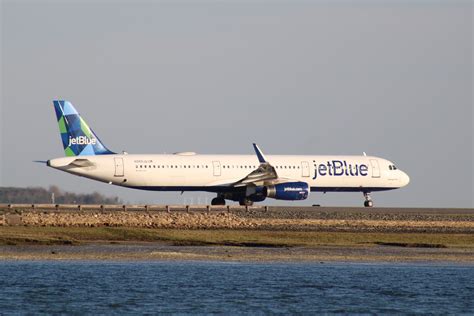
JetBlue’s Network Realignment Ends Boston–Sacramento Plans
JetBlue’s planned seasonal service had originally been positioned as a strategic addition to its growing Boston hub operation, where the airline has invested heavily over the past decade. Boston has become one of JetBlue’s most important bases, supporting domestic routes across the United States as well as transatlantic flights to Europe.
Despite this focus, the Boston–Sacramento route struggled to deliver the traffic levels required to sustain daily operations. According to reports from regional outlets, the airline determined that passenger demand and revenue performance fell short of internal targets, prompting the decision to abandon the service before the summer schedule began.
JetBlue stated that it continuously reviews route performance and adjusts its network accordingly to ensure long-term sustainability. Airlines frequently shift capacity toward stronger markets, particularly when aircraft availability is limited or operational priorities change.
Passengers who had already booked flights on the now-cancelled route will be contacted by the airline and offered alternatives. These options include rebooking through JetBlue’s New York John F. Kennedy International Airport (JFK) hub or receiving a full refund.
Sacramento Maintains East Coast Connectivity
While the Boston connection will disappear, Sacramento International Airport will retain multiple links to the U.S. East Coast, preserving important connectivity for business travelers, government officials, and tourists.
Existing routes include:
- United Airlines service to Newark Liberty International Airport (EWR)
- United Airlines flights to Washington Dulles International Airport (IAD)
- Southwest Airlines service to Baltimore/Washington International Airport (BWI)
- JetBlue seasonal flights to New York JFK
Airport officials emphasized that Sacramento continues to collaborate closely with airline partners to expand travel options for passengers. Losing one nonstop route is not uncommon in aviation markets where airlines frequently rotate seasonal services based on demand patterns.

JetBlue Makes Additional Cuts From Boston
The Sacramento decision is not occurring in isolation. Recent schedule filings indicate that JetBlue is trimming several other planned routes from Boston, reflecting a broader recalibration of its network.
Among the routes affected are:
- Planned daily flights between Boston and Dallas/Fort Worth (DFW)
- Proposed Boston–Phoenix (PHX) service
- A twice-weekly route between Boston and Asheville, North Carolina
Such adjustments are increasingly common as airlines fine-tune schedules in response to fluctuating travel demand, operational costs, and aircraft availability. Seasonal routes, in particular, are vulnerable because they depend heavily on peak travel periods to justify their existence.
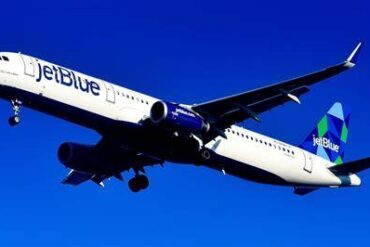
JetBlue operates a modern all-Airbus narrowbody fleet, which currently includes nearly 300 aircraft. Its lineup consists primarily of the Airbus A220, A320-200, A321-200, and A321neo, giving the airline flexibility to deploy different aircraft sizes depending on route demand. Still, every aircraft assigned to a weaker route represents capacity that could potentially generate stronger returns elsewhere.
Sacramento Airport Continues Rapid Post-Pandemic Growth
Ironically, the cancellation comes during a period of remarkable growth for Sacramento International Airport. The airport recorded its busiest year ever in 2025, serving more than 17 million passengers and marking nearly two consecutive years of steady traffic increases.
This growth has fueled a sweeping infrastructure initiative known as the SMForward project, a $1.3 billion expansion program designed to modernize the airport and prepare it for future demand.
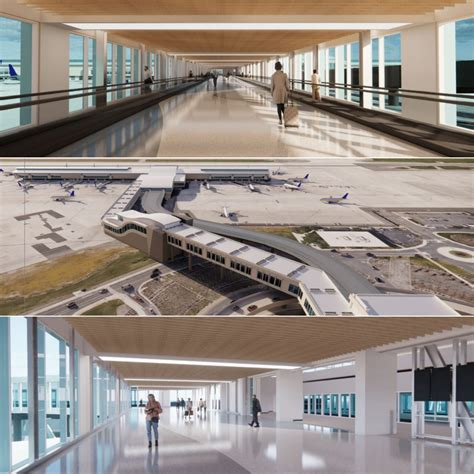
Key elements of the project include:
- Expanded concourses to accommodate more flights
- Upgraded baggage handling systems
- A new parking garage
- Additional restaurants and passenger amenities
Southwest Airlines remains the airport’s dominant carrier, transporting nearly 60 percent of passengers traveling through Sacramento. Major network airlines such as American, Delta, and United also maintain strong hub connections, ensuring broad domestic access.
Looking ahead, airport leaders are increasingly focused on a more ambitious goal: attracting Sacramento’s first transatlantic flights. The region’s growing population and business activity suggest demand may exist for direct European routes, particularly as infrastructure improvements continue.
Situated roughly 150 kilometers from San Francisco International Airport, Sacramento could eventually serve as a less congested alternative gateway for international travelers. For now, however, the cancellation of JetBlue’s Boston service illustrates the delicate balance airlines must strike between expanding networks and maintaining profitable routes in a fiercely competitive industry.