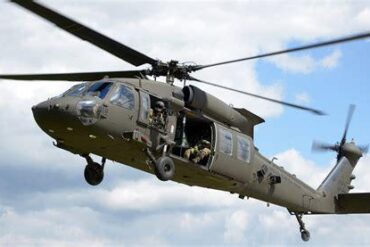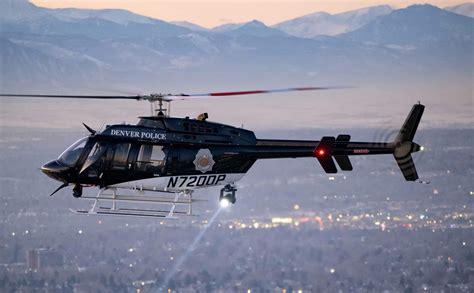
Sacramento newcomers are often struck by an unusual feature of the city’s soundscape: the near-constant hum of police helicopters overhead. From downtown Sacramento to the suburbs of Arden and South Sac, it’s common to see or hear helicopters circling above, day or night. We aim to explore the complex reasons behind this frequent aerial activity, shedding light on the law enforcement practices, medical infrastructure, and broader urban dynamics that keep Sacramento’s skies so busy.
A Hub of Law Enforcement Agencies and Their Aerial Fleets
One of the primary reasons Sacramento sees an abundance of helicopters is the sheer concentration of law enforcement agencies headquartered in the region. Sacramento is home to the Sacramento Police Department (Sac PD), the Sacramento County Sheriff’s Office, and the California Highway Patrol (CHP)—each operating its own air units. The overlapping jurisdictions of these agencies create a multi-layered policing environment, where helicopters are deployed for diverse missions ranging from suspect pursuit to traffic monitoring.
Unlike smaller cities served by a single air unit, Sacramento’s law enforcement ecosystem functions as an inter-agency web, with multiple helicopters operating simultaneously. This operational density results in more frequent aerial patrols and responses, a reality that many residents experience as a constant airborne presence.
Tactical Utility: Why Police Rely on Helicopters
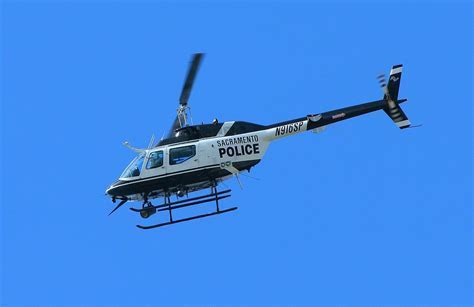
The helicopters flying over Sacramento aren’t merely ornamental; they serve critical tactical functions in urban policing. Air support plays a vital role in suspect apprehension, offering vantage points impossible to achieve from the ground. When suspects flee on foot or in vehicles, helicopters provide real-time tracking that guides ground units and reduces the need for dangerous high-speed chases through city streets.
Moreover, helicopters aid in search-and-rescue missions, assist in monitoring large public events like concerts or protests, and help locate missing persons. These functions, while invaluable to law enforcement strategy, contribute to the frequency of their presence, even during what some residents perceive as minor incidents.
Not Just Police: Medical and Emergency Helicopter Traffic
While police helicopters form a significant portion of Sacramento’s air traffic, they are not alone in the skies. The city hosts several major trauma centers and hospitals with active helipads, including UC Davis Medical Center, Sutter Medical Center, and Shriners Hospitals for Children. Medical helicopters regularly transport critical patients from surrounding rural areas to Sacramento’s specialized facilities, often flying in at all hours for life-saving interventions.
In fact, for many residents living near these hospitals or along their flight paths, much of the helicopter noise they hear may be from air ambulances rather than law enforcement aircraft. This medical air traffic, necessary for regional healthcare access, overlaps with police activity to create the impression of a perpetual aerial patrol.
Sacramento’s Urban Geography and Policing Style
Beyond institutional factors, Sacramento’s urban layout and policing philosophy contribute to helicopter prevalence. Certain neighborhoods—including Oak Park, Lemon Hill, and Arden Arcade—experience higher crime rates, prompting more frequent aerial surveillance and police presence. Helicopters offer a rapid-response solution to geographic challenges like sprawling suburbs, floodplains, and river corridors, where suspects might flee beyond the reach of ground units.
Moreover, local policing culture plays a role. Observers have noted that Sacramento’s law enforcement appears more inclined to deploy helicopters for relatively low-level incidents compared to other cities. Residents on forums like Reddit speculate that the department may aim to justify helicopter operating budgets by keeping them in the air as much as possible.
Community Perception: Between Safety and Surveillance
While helicopters enhance law enforcement capability, their omnipresence fuels mixed reactions among Sacramento residents. Some view them as reassuring signs of proactive policing, while others see them as symbols of over-policing or intrusive surveillance. The persistent noise and disruption also create a sense of unease, especially among residents who have relocated from cities with less aerial enforcement.
Critics argue that Sacramento’s helicopter usage reflects a broader trend of militarized policing, prioritizing high-visibility tactics over community-based solutions. Meanwhile, supporters cite successful interventions, such as tracking violent suspects or locating missing individuals, as justification for maintaining aerial patrols.
Budget and Operational Incentives
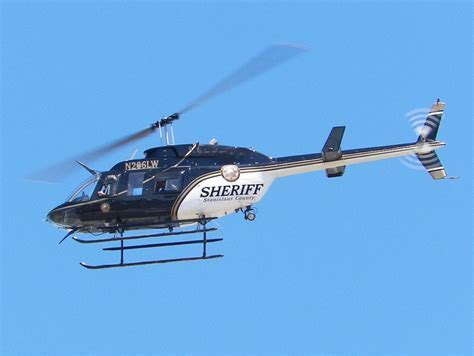
Another layer to Sacramento’s helicopter frequency lies in the financial and bureaucratic structures that sustain it. Operating a police helicopter fleet is expensive, with hourly flight costs reaching thousands of dollars. Once a department invests in aircraft, pilots, and maintenance infrastructure, there is an institutional incentive to maximize flight hours to justify these costs to taxpayers and city councils.
In some cases, helicopter deployment may be driven as much by budgetary logic as by tactical necessity. Maintaining flight hours ensures pilot certifications, equipment readiness, and ongoing funding—leading to a feedback loop where helicopters remain in the air even during relatively routine operations.
Comparisons with Other California Cities
While Sacramento’s aerial activity might seem excessive to newcomers, it remains modest compared to larger California cities like Los Angeles. The LAPD and L.A. County Sheriff’s Department operate over 30 helicopters combined, with fleets rivaling those of some national militaries. Residents of Los Angeles report even higher levels of helicopter noise and visibility.
Yet, compared to similarly sized cities like San Jose or Oakland, Sacramento’s helicopter operations stand out for their frequency and prominence. This distinction may stem from a combination of geographic centrality, state capital status, and multi-agency overlap, unique to Sacramento’s civic structure.
Helicopters and the Broader Social Context
Finally, the prevalence of helicopters in Sacramento cannot be divorced from broader social and political dynamics. The city grapples with challenges such as homelessness, drug use, traffic fatalities, and property crime, all of which generate incidents requiring police response. Helicopters are deployed not only for violent crimes but also for monitoring encampments, directing traffic after accidents, and broadcasting alerts about missing persons.
Some residents worry that these practices normalize aerial surveillance as an everyday feature of urban life, subtly reshaping perceptions of public space and safety. Others feel that helicopters have become an unavoidable byproduct of a city balancing growth, inequality, and public safety demands.
Conclusion: A City Watched from Above
In the end, Sacramento’s reputation for frequent police helicopters reflects a confluence of institutional, geographic, and social factors. From overlapping law enforcement jurisdictions to a bustling medical air transport system, the city’s skies mirror its complexities on the ground. For residents adjusting to this airborne presence, the helicopters serve as both a reminder of public safety efforts and a symbol of the challenges that accompany policing a diverse and dynamic urban landscape.
While opinions differ on whether Sacramento’s helicopters represent an asset or a nuisance, their prominence is unlikely to fade anytime soon. As the city continues to grow and evolve, so too will the sights—and sounds—of its skies.