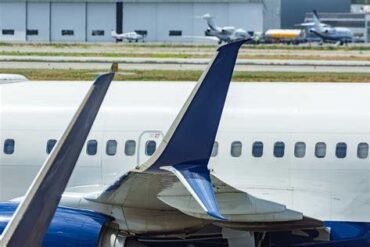
The Boeing 757 once represented a revolutionary step forward in commercial aviation. For decades, this powerful twin-engine narrowbody aircraft filled a unique space between smaller single-aisle jets and widebody long-haul aircraft. It had the range to cross oceans, the power to depart from challenging runways, and the capacity to make previously unviable routes profitable. Yet despite its reputation and loyal following, modern airlines are increasingly moving away from the aircraft.
The shift is not due to a single flaw or failure. In fact, the Boeing 757 remains one of the most capable narrowbody jets ever built. Instead, its gradual disappearance from passenger fleets reflects a deeper transformation in airline economics, technology, and fleet strategy. New aircraft have emerged that replicate many of the 757’s strengths while delivering dramatically lower operating costs.
Understanding why airlines no longer want the Boeing 757 requires examining its remarkable history, its once-dominant role in aviation, and the technological advances that ultimately made it obsolete.
The Origins of the Boeing 757 and Its Revolutionary Design
The story of the Boeing 757 began in the late 1970s when Boeing set out to develop a replacement for the aging Boeing 727. Known internally as the 7N7 program, the project aimed to create a more efficient narrowbody aircraft capable of carrying more passengers while burning less fuel.
Orders for the aircraft began arriving in August 1978, signaling strong airline interest in the concept. After years of development and testing, the aircraft took its first flight on February 19, 1982, marking the start of what would become one of the most respected aircraft families in aviation history. Certification from the Federal Aviation Administration arrived later that year, allowing the aircraft to enter commercial service.
The Boeing 757 was introduced with a six-abreast cabin, similar in width to earlier Boeing narrowbody designs but paired with a highly advanced cockpit for its time. A two-pilot glass cockpit replaced the traditional flight engineer position, reducing crew requirements and modernizing flight operations. Even more significant was the aircraft’s common type rating with the Boeing 767, allowing pilots to transition between the two aircraft with minimal additional training. This cross-fleet compatibility became a major selling point for airlines.
From an engineering standpoint, the aircraft was extraordinarily powerful. Powered by Rolls-Royce RB211 or Pratt & Whitney PW2000 engines producing up to 43,500 pounds of thrust, the Boeing 757 became known as one of the most overpowered narrowbody aircraft ever built.
Its aerodynamic design also played a major role in its performance. The aircraft’s supercritical wing, spanning nearly 2,000 square feet, significantly reduced drag while increasing fuel efficiency and lift.
The Narrowbody That Could Do Almost Anything
During the 1980s and 1990s, the Boeing 757 quickly established itself as the ultimate multi-role aircraft. Airlines discovered that the jet could perform a remarkable range of missions that previously required different aircraft types.
The aircraft replaced the Boeing 727 on major domestic routes across the United States, offering improved fuel efficiency and a longer range while carrying more passengers. But the true strength of the aircraft lay in its versatility.
Airlines used the 757 in several demanding operational environments:
- Transcontinental routes across North America
- Short runways and hot-and-high airports
- Medium-haul international flights
- High-density charter and leisure markets
Its powerful engines allowed it to depart from shorter runways with heavy passenger loads, a capability that many other narrowbody aircraft struggled to match. This made it especially valuable at airports surrounded by mountains or operating in hot climates where thin air reduces engine performance.
The aircraft also excelled in difficult weather conditions. Its climb performance allowed it to quickly rise above turbulence and storms, improving both efficiency and passenger comfort.
How the Boeing 757 Opened New Transatlantic Routes
One of the most significant developments in the aircraft’s history came with the introduction of Extended-Range Twin-Engine Operational Performance Standards (ETOPS) regulations. These rules allowed twin-engine aircraft to operate long flights over water or remote areas, provided they met strict reliability standards.
Once certified under ETOPS, the Boeing 757 unlocked a new category of airline routes known as “thin transatlantic markets.”
Instead of relying on large widebody aircraft, airlines could now operate smaller, more efficient jets between secondary cities. This created entirely new international routes that previously lacked enough demand to justify widebody service.
Flights began appearing between cities such as:
- Boston to Ireland
- New York to Scotland
- Reykjavik to smaller European destinations
- Northern U.S. cities to Scandinavia
These routes allowed airlines to connect regions that had never enjoyed direct international flights before. For passengers, the result was shorter travel times and fewer connections.
Fleet Expansion and the 757 Family Variants
The original Boeing 757-200 became the backbone of the aircraft family, offering a balanced mix of range and passenger capacity. However, Boeing eventually expanded the lineup to meet different market needs.
The family ultimately included several versions:
- Boeing 757-200 – the primary passenger model
- Boeing 757-200PF – a dedicated freighter version
- Boeing 757-200M – a combi aircraft capable of carrying passengers and cargo
- Boeing 757-300 – a stretched version offering higher passenger capacity
The 757-300, introduced in the mid-1990s, became the longest single-aisle aircraft ever built, stretching more than 178 feet in length. Airlines used the aircraft primarily on high-demand leisure routes, where its dense seating configuration allowed operators to maximize passenger numbers.
Despite its impressive capabilities, the total production of the 757 family remained relatively modest compared with other Boeing aircraft. By the time production ended in October 2004, Boeing had delivered 1,050 aircraft to 54 customers worldwide.
Why Airlines Began Retiring the Boeing 757
Although the aircraft was widely admired, its economics began to deteriorate as aviation technology advanced. The core issue was not performance but efficiency.
Newer aircraft began entering the market with engines and aerodynamic improvements that dramatically reduced fuel consumption. Airlines operate in an industry where even small reductions in fuel burn translate into millions of dollars in savings each year.
The Boeing 757, designed in the 1970s, could not compete with these newer designs without major modifications.
Several factors pushed airlines to retire the aircraft:
1. Rising Maintenance Costs
Most Boeing 757 aircraft in service today are over 20 to 30 years old. As aircraft age, maintenance requirements increase significantly. Components must be replaced more frequently, inspections become more extensive, and unscheduled repairs occur more often.
Operating an older aircraft eventually becomes more expensive than purchasing a new one.
2. Higher Fuel Burn
Compared with modern narrowbody aircraft, the Boeing 757 consumes more fuel per passenger. While its engines were powerful, they were not designed with the same fuel-saving technologies used in modern turbofan engines.
3. Cabin Expectations Have Changed
Passengers today expect modern interiors, quieter cabins, improved lighting, and more efficient seating layouts. While airlines can refurbish older aircraft, newer designs are optimized from the start for these features.
4. Limited Production Support
Since production ended in 2004, airlines must rely on a shrinking supply chain for parts. Over time, this makes maintaining large fleets more complicated and expensive.
The Airbus A321XLR and the Rise of Next-Generation Narrowbodies
The biggest threat to the Boeing 757 did not come from within Boeing itself. Instead, it emerged from a competitor.
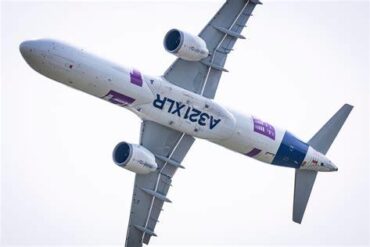
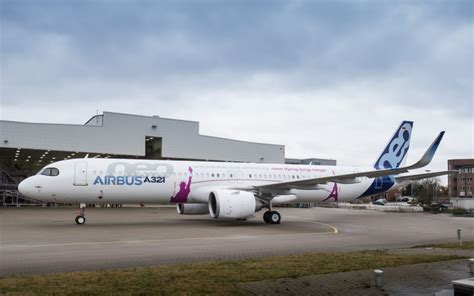
The Airbus A321XLR represents a new generation of narrowbody aircraft designed specifically to capture the market once dominated by the Boeing 757. With extended range capabilities and dramatically improved efficiency, the aircraft allows airlines to operate long routes with far lower operating costs.
The aircraft can fly up to nine hours, covering routes that were once exclusive to the Boeing 757. At the same time, its new-generation engines and aerodynamics significantly reduce fuel consumption.
For airlines, the economic benefits are clear:
- Lower fuel burn per seat
- Reduced maintenance requirements
- Modern passenger cabins
- Improved environmental performance
These advantages make the aircraft particularly attractive for long, thin international routes that require efficiency more than raw engine power.
Why Boeing Never Built a Modern 757 Replacement
Given the success of the Boeing 757, many aviation observers have wondered why Boeing never launched a modernized version of the aircraft.
The answer lies in the economic realities of aircraft development.
Creating a new aircraft or even a heavily upgraded version requires billions of dollars in investment. A simple engine upgrade would not have been enough. A modernized 757 would likely have required a redesigned wing, new avionics, updated systems, and compliance with stricter noise and safety regulations.
At the same time, airline demand was shifting toward smaller and more efficient aircraft like the Boeing 737 and Airbus A320 families. These aircraft served the majority of global routes and offered strong economic returns.
Because of this shift, Boeing decided to focus its resources on developing the 737 Next Generation and later the 737 MAX rather than reviving the 757 platform.
Where the Boeing 757 Still Flies Today
Although the aircraft is gradually disappearing from passenger fleets, it has not vanished entirely from aviation.
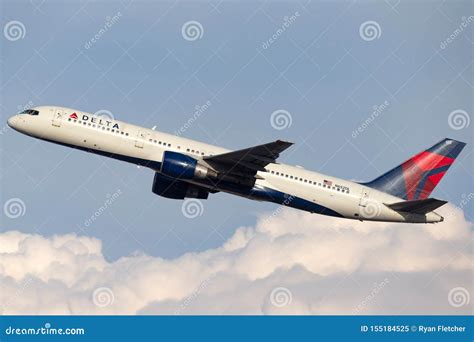
Several airlines still operate the Boeing 757 in specialized roles. In the United States, Delta Air Lines and United Airlines continue to rely on the aircraft for certain routes where its unique capabilities remain valuable.
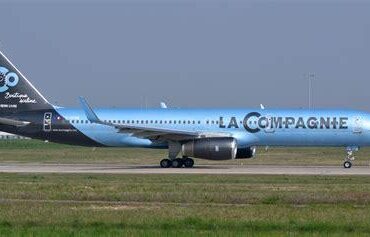
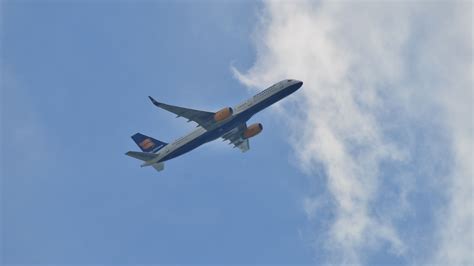
In Europe, Icelandair has historically depended heavily on the Boeing 757 for its transatlantic network connecting North America and Europe through Iceland. However, the airline has begun replacing these aircraft with the Airbus A321LR and A321XLR.
Outside passenger aviation, the aircraft has found a second life in cargo operations.
Major cargo carriers such as UPS, FedEx, and DHL Aviation operate large fleets of Boeing 757 freighters. The aircraft’s strong structure, large cargo door, and flexible pallet configuration make it highly effective for express logistics networks.

A Legendary Aircraft Entering Its Final Era
Few aircraft have left a legacy as strong as the Boeing 757. It connected cities that had never been linked before, opened new transatlantic routes, and proved that narrowbody aircraft could perform missions once reserved for widebodies.
For decades, it served as the bridge between short-haul and long-haul aviation, combining power, range, and versatility in a way no other aircraft could match.
Yet aviation is driven by constant technological change. As airlines pursue greater efficiency, lower emissions, and improved passenger experiences, newer aircraft designs inevitably replace older ones.
The Boeing 757 may no longer dominate airline fleets, but its influence on aviation remains undeniable. Many of today’s long-range narrowbody aircraft exist precisely because the 757 proved the concept could work.
Even as passenger airlines retire the aircraft, its cargo operations and enduring reputation ensure that the Boeing 757 will remain an important chapter in aviation history for years to come.