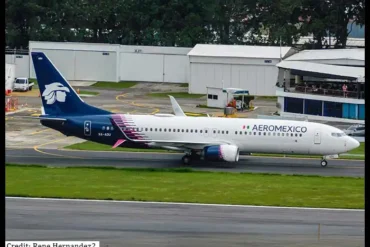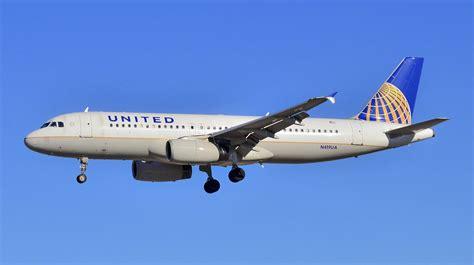
The Airbus A320 has been one of the most recognizable aircraft in the United Airlines fleet for nearly three decades. It has carried millions of passengers across the United States, connecting major hubs such as Chicago, Denver, Houston, Newark, and San Francisco. However, the era of the United Airlines A320ceo fleet is gradually coming to an end as the airline accelerates a major transformation of its narrowbody operations.
United’s decision is not based on a single problem. Instead, it reflects a broader aviation industry shift toward newer, more fuel-efficient aircraft, higher-capacity narrowbodies, and improved passenger experiences. The airline is increasingly focused on replacing older aircraft with the Airbus A321neo family, which offers better economics, more seats, longer range, and lower operating costs.
For aviation enthusiasts, the transition marks the end of an important chapter. Although United has traditionally been viewed as a Boeing-heavy airline, its Airbus A320 fleet has played a crucial role in domestic operations. Now, those aircraft are becoming symbols of an older fleet strategy that no longer fits United’s future plans.
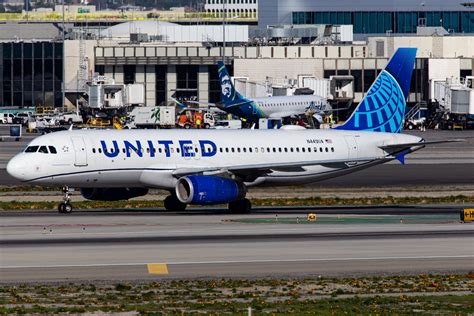
United Airlines Airbus A320 Fleet Faces Retirement After Decades of Service
United Airlines currently operates around 60 Airbus A320-200 aircraft, with several additional examples already parked. The fleet has an average age of approximately 26 years, making it one of the oldest narrowbody groups in United’s mainline operation.
Many of these aircraft entered service during the 1990s, when the A320ceo was considered one of the most advanced single-aisle aircraft available. With efficient engines, digital flight controls, and a comfortable cabin layout, the aircraft became a global success.
However, aircraft that were technologically advanced in the 1990s face very different challenges today. After more than two decades of operation, United’s A320s require increasingly expensive maintenance programs, including major inspections, component replacements, and engine overhauls.
The airline has already invested heavily to keep older aircraft operational. United CEO Scott Kirby previously noted that the company spent approximately $100 million on engine-related work in 2024, highlighting how costly aging fleets can become.
The challenge is not simply whether these aircraft can continue flying. Modern airlines must also consider whether maintaining older jets makes financial sense compared with investing in newer replacements.
Every dollar spent extending the life of a 25-year-old aircraft is money that cannot be invested in a newer aircraft that burns less fuel, carries more passengers, and offers a better customer experience.
Why the Airbus A321neo Is Replacing United’s Older A320 Aircraft
The biggest reason behind United’s A320 retirement strategy is the arrival of the Airbus A321neo. The aircraft represents a completely different approach to narrowbody operations.
The A320ceo typically seats around 150 to 160 passengers in United’s configuration. By comparison, the A321neo can accommodate approximately 190 to 220 passengers, depending on the cabin layout.
This additional capacity is extremely valuable in United’s network strategy. Instead of adding more flights, especially at congested airports, United can operate larger aircraft and transport more passengers with fewer departures.
This approach is central to the airline’s United Next growth strategy, which focuses on increasing capacity while improving efficiency. Airports such as Newark Liberty International Airport and San Francisco International Airport have limited space for additional flights, making larger aircraft an attractive solution.
The A321neo also delivers major improvements in fuel efficiency. Equipped with modern CFM International LEAP-1A engines, improved aerodynamics, lighter materials, and advanced systems, the aircraft achieves significantly lower fuel consumption per seat compared with older A320 models.
For an airline operating thousands of flights every year, even a small improvement in fuel burn can translate into millions of dollars in annual savings.
The aircraft also provides United with more flexibility. The standard A321neo can handle busy domestic routes, while longer-range versions such as the A321LR and A321XLR can replace older aircraft on longer missions.
Aircraft Economics Are Driving United’s Fleet Transformation
Commercial aviation decisions are ultimately driven by economics. Airlines do not retire aircraft simply because they are old; they retire them when newer aircraft provide a stronger financial advantage.
The Airbus A320ceo remains a capable aircraft, but it belongs to an earlier generation. Its older engines consume more fuel, maintenance costs increase with age, and its smaller capacity limits revenue potential.
The A321neo solves several of these problems simultaneously. It allows United to carry more passengers while reducing costs on a per-seat basis.
This concept, known as cost per available seat mile (CASM), is one of the most important measurements in airline profitability. A larger aircraft with lower operating costs can produce stronger margins even when ticket prices remain competitive.
United’s fleet strategy reflects a broader industry trend. Airlines including American Airlines and Delta Air Lines are also replacing older narrowbodies with newer aircraft that offer improved efficiency and greater capacity.
The future of domestic aviation is increasingly centered around aircraft such as the A321neo, Boeing 737 MAX, and other next-generation narrowbody models.
Passenger Experience Is Another Reason United Wants New Aircraft
While financial considerations are critical, passengers are also influencing United’s fleet decisions. Older aircraft often struggle to match the experience offered by factory-new jets.
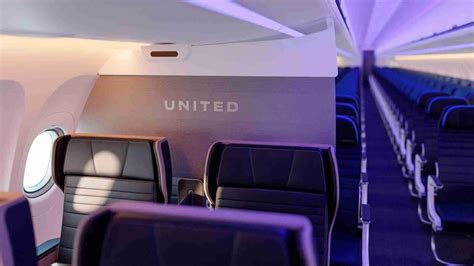
The Airbus A321neo introduces a more modern cabin environment, including larger overhead bins, improved lighting systems, quieter operations, updated interiors, and enhanced connectivity features.
For passengers flying long domestic routes, such as New York to California or Chicago to the West Coast, these improvements are noticeable. A quieter cabin and updated technology can significantly change the travel experience.
Older A320 aircraft can receive cabin upgrades, but there are limitations. Retrofitting decades-old aircraft cannot fully replicate the advantages of a new aircraft designed around modern passenger expectations.
United also benefits from having a more consistent product across its network. Frequent travelers, especially corporate customers and MileagePlus members, increasingly expect predictable experiences when flying between major cities.
Replacing older A320 aircraft with A321neos helps United create a more uniform fleet identity.
The Airbus A321neo Is Also Replacing United’s Boeing 757 Fleet
United’s A320 retirement is happening alongside another major fleet transition: the gradual replacement of the legendary Boeing 757.
The 757 has been one of United’s most valuable aircraft because of its exceptional performance and range. It has operated transcontinental flights, international services, and routes that require more capability than traditional narrowbodies.
However, the aircraft is aging. United’s 757 fleet has an average age approaching three decades, creating similar challenges to those affecting the A320 fleet.
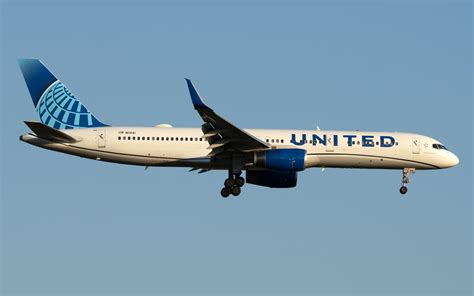
The arrival of the Airbus A321neo family gives United a modern alternative. The A321XLR, in particular, offers impressive range capability while delivering much better fuel efficiency.
This creates an unusual situation where one aircraft family is replacing two different types. The A321neo can take over missions previously handled by both the smaller A320 and the larger 757.
For United, this simplifies training, maintenance, and fleet planning while creating a more flexible operation.
United’s Retirement Strategy Will Happen Gradually
Despite the coming changes, United will not remove all Airbus A320 aircraft overnight. Fleet transitions require careful coordination between aircraft deliveries, maintenance schedules, and network planning.
The airline has ordered hundreds of Airbus aircraft, including 130 A321neos and 50 A321XLRs, but delivery schedules and production challenges mean replacements must happen gradually.
United’s approach is designed to avoid disrupting passengers while ensuring capacity remains available.
The oldest A320 aircraft are expected to leave first, followed by additional retirements as more new aircraft enter service. This allows United to maximize the value of existing aircraft while preparing for the next generation of operations.
The airline is effectively balancing short-term costs with long-term benefits.
A New Era for United Airlines Narrowbody Operations
The retirement of the Airbus A320ceo fleet represents more than the removal of an aging aircraft type. It represents a fundamental change in how United Airlines approaches its future.
The airline is moving toward a fleet built around capacity, efficiency, and passenger experience. The A321neo, alongside the Boeing 737 MAX and Boeing 787 Dreamliner, will become central to United’s strategy through the 2030s.
For passengers, the transition means newer cabins, better technology, and more consistent service. For United, it means lower operating costs, improved fuel efficiency, and a stronger competitive position against other major US carriers.
The Airbus A320 helped define United’s domestic network for decades. But as aviation enters a new era, the aircraft that once represented the future has become part of the past.
United’s decision to move away from the A320 is not about rejecting Airbus technology. Instead, it is about choosing the aircraft that best matches the airline’s next chapter. The Airbus A321neo is becoming the foundation of a more efficient, larger, and more modern United Airlines fleet.