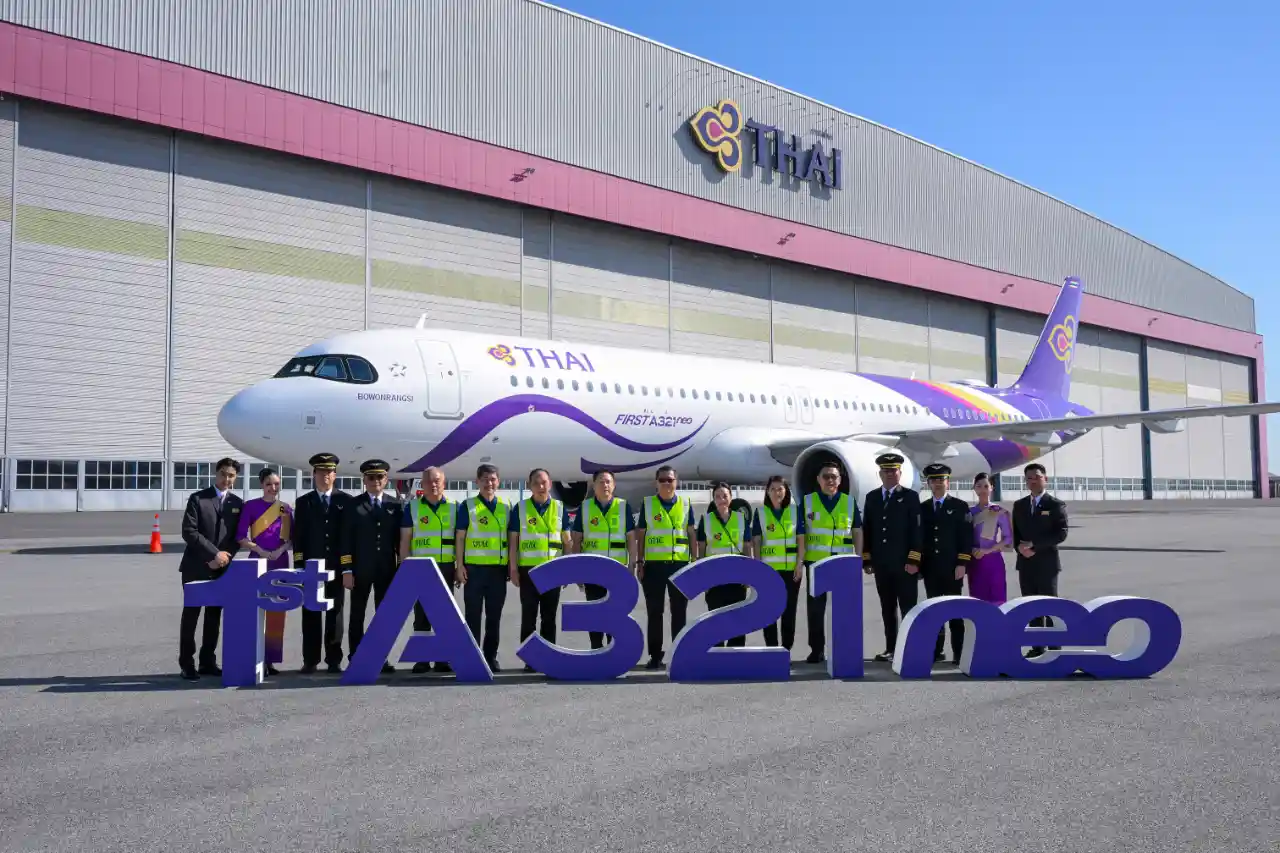
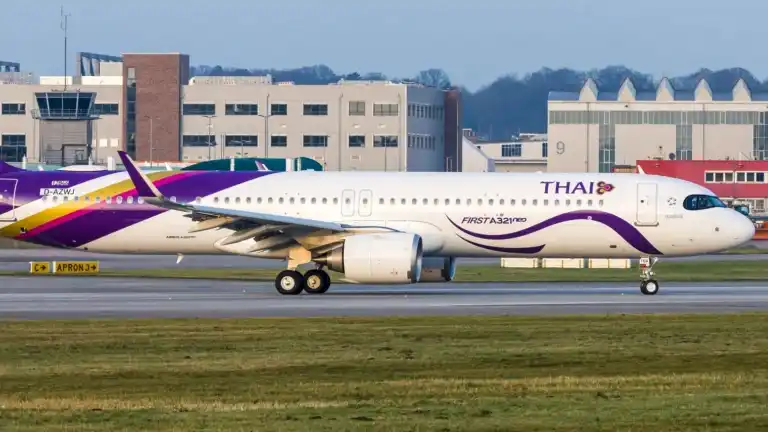
Thai Airways is quietly but decisively reshaping its short- and medium-haul strategy, and the arrival of the Airbus A321neo marks one of the most consequential shifts in the airline’s modern history. For decades, Thai Airways was defined by widebody aircraft, long-haul prestige, and a hub-and-spoke network radiating from Bangkok to the world. The A321neo changes that geometry. It is not simply a new airplane; it is a tool that allows the carrier to compete more precisely, more efficiently, and more profitably across Asia’s densest air corridors.
The first deliveries of the A321neo signal a return to confidence after years of restructuring. Thai Airways is no longer chasing scale for its own sake. Instead, it is deploying technology, cabin design, and route economics with surgical intent. From the airline’s base at Bangkok Suvarnabhumi International Airport (BKK), the A321neo will initially serve a carefully selected set of routes that reveal exactly how the carrier sees its future in the Star Alliance ecosystem.
At a glance, these routes may look familiar: Singapore, Delhi, Phuket, Hong Kong, and Vientiane. Look closer, and they form a strategic map of premium demand, regional connectivity, and high-frequency competition. This is where the A321neo shines, and Thai Airways knows it.
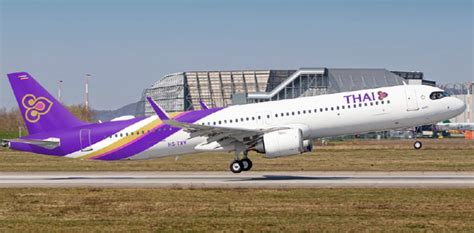
A Narrowbody That Redefines Thai Airways’ Network Philosophy
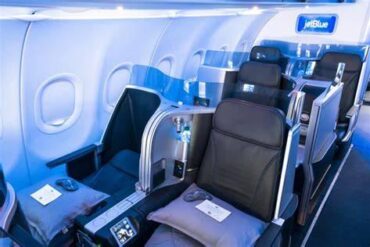
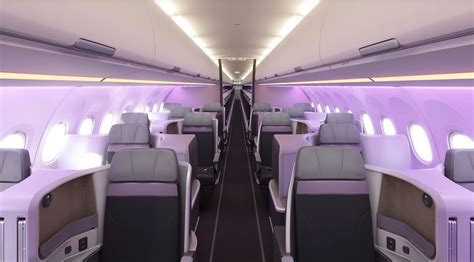
The Airbus A321neo sits at the intersection of efficiency and ambition. Thai Airways has committed to 32 aircraft, a number large enough to transform its narrowbody fleet and small enough to remain disciplined. Configured with 175 seats in a two-class layout, the aircraft introduces a genuine long-haul business class experience to short- and medium-haul flying. Sixteen lie-flat seats, supplied by Thompson Vantage, stretch fully to 180 degrees, arranged in alternating 2-2 and 1-1 rows, a rare luxury in this segment.
Economy class benefits just as clearly. Expanded overhead bins, mood lighting, quieter engines, and complimentary onboard WiFi bring the narrowbody experience much closer to what passengers expect on widebody regional jets. This matters profoundly on routes of four to five hours, where comfort increasingly influences airline choice.
Operationally, the A321neo delivers approximately 20% lower fuel burn compared with previous-generation aircraft. Its extended range, capable of flights lasting up to five and a half hours from Bangkok, opens new markets without the cost penalty of widebodies. For Thai Airways, this is not about replacing aircraft one-for-one. It is about right-sizing capacity to demand while preserving a premium brand image.
Bangkok to Singapore: Launching the A321neo on Southeast Asia’s Crown Jewel
The inaugural commercial deployment of Thai Airways’ A321neo is scheduled for January 22, on the heavily traveled Bangkok–Singapore route. This corridor is one of Southeast Asia’s most competitive aviation markets, linking two global financial and tourism centers with relentless frequency.
Thai Airways operates around 35 weekly flights between BKK and Singapore Changi Airport (SIN), and the decision to introduce the A321neo here is deliberate. Singapore-bound travelers skew heavily toward business passengers, premium leisure flyers, and connecting Star Alliance traffic. The lie-flat business class product immediately differentiates Thai Airways from many narrowbody competitors operating this route.
Flight TG414 departs Bangkok mid-afternoon, returning as TG413 late morning from Singapore. These timings are optimized for connectivity at both ends, particularly onward Star Alliance links through Changi. The A321neo allows Thai Airways to maintain high frequency while subtly upgrading the passenger experience, reinforcing brand loyalty in a market where travelers are famously discerning.
Bangkok to Delhi: Precision Capacity in a High-Volume India Market
India remains one of aviation’s most unforgiving battlegrounds, and Delhi Indira Gandhi International Airport (DEL) stands at its epicenter. Ranking as the busiest airport in India, Delhi processed over 79 million passengers last year, dwarfing most regional hubs. The Bangkok–Delhi route alone carried more than 1.1 million passengers in 2024, placing it among Bangkok’s top international city pairs.
Thai Airways currently operates three daily flights on this route, facing stiff competition from Air India, IndiGo, and SpiceJet. Introducing the A321neo on one of these frequencies is a calculated move. Rather than flooding the market with capacity, Thai Airways is aligning aircraft size with premium demand while controlling costs.
The A321neo’s range and performance allow it to operate the sector comfortably while offering a significantly upgraded cabin compared to traditional A320-family aircraft. For Indian business travelers and connecting passengers heading onward to Japan, Europe, or Australia via Bangkok, the improved onboard experience strengthens Thai Airways’ appeal as a full-service carrier rather than just another regional option.
Bangkok to Phuket: Reinventing the Domestic Trunk Route
Domestically, no route matters more to Thai Airways than Bangkok–Phuket. With nearly 3 million passengers in 2024, it is the busiest domestic sector from Suvarnabhumi and one of the most competitive in the country. Low-cost carriers dominate frequencies, while full-service airlines fight for differentiation.
Thai Airways plans to introduce the A321neo on this route starting January 16, 2026, positioning the aircraft as a flagship even on short-haul domestic services. Competing against Thai VietJet Air, Thai AirAsia, and Bangkok Airways, the airline cannot win on price alone. Instead, it wins on consistency, comfort, and brand trust.
Phuket’s role has evolved beyond domestic tourism. As international long-haul flights return and expand, including new services to Paris Charles de Gaulle and London Heathrow, Phuket increasingly functions as a secondary international gateway. The A321neo allows Thai Airways to feed this growth efficiently while offering a premium domestic experience that aligns with international expectations.
Bangkok to Hong Kong: Matching Aircraft to Asia’s Most Intense Competition
Few routes illustrate Asian aviation intensity like Bangkok–Hong Kong. With over 3.1 million passengers in 2024, it ranks second only to Singapore among Bangkok’s international markets. The route is served by an extraordinary mix of aircraft, from narrowbody A320s to the Airbus A380, often on the same day.
Thai Airways will deploy the A321neo on select frequencies starting February 16, 2026, joining a battlefield that includes Cathay Pacific, Hong Kong Airlines, Hong Kong Express, Greater Bay Airlines, and even fifth-freedom operators like Emirates and Ethiopian Airlines. In such a crowded market, efficiency and product clarity matter more than raw capacity.
The A321neo enables Thai Airways to adjust capacity dynamically while maintaining a premium business class product comparable to widebody offerings on shorter sectors. Hong Kong International Airport (HKG) remains one of the world’s most connected hubs, and the aircraft’s schedule flexibility supports seamless onward connections across Asia-Pacific and beyond.
Bangkok to Vientiane: Quietly Strengthening Regional Connectivity
The final initial A321neo route links Bangkok with Vientiane Wattay International Airport (VTE), the capital of Laos. This is a shorter, less glamorous sector, but strategically significant. Thai Airways currently operates two daily flights using A320 aircraft, competing directly with Lao Airlines.
Replacing one frequency with the A321neo from February 16, 2026, may seem excessive at first glance. In reality, it reflects growing regional traffic, government travel, and connecting flows through Bangkok. The A321neo’s quieter cabin and enhanced comfort elevate the experience on a route often flown by repeat travelers.
Vientiane’s airport infrastructure has expanded in recent years, and Lao Airlines’ regional network, particularly into China, makes Bangkok an important transfer point. For Thai Airways, deploying its newest aircraft here signals long-term commitment to regional leadership, not just headline routes.
How the A321neo Fits Into Thai Airways’ Broader Fleet Strategy
Thai Airways today operates 79 aircraft, with 82 more on order, reflecting a renewed phase of expansion after years of financial turbulence. The A321neo will eventually form the backbone of its narrowbody operations, complementing a widebody fleet that includes Airbus A350s, Boeing 777s, and the growing 787 family.
What makes the A321neo particularly important is how it bridges the gap between domestic, regional, and near-long-haul flying. Routes once considered marginal for widebodies can now be served profitably without sacrificing brand standards. This flexibility allows Thai Airways to experiment, adjust frequencies, and open new city pairs as demand evolves.
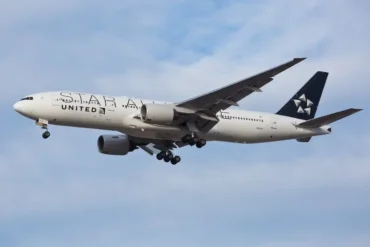
As a founding member of Star Alliance, Thai Airways plays a critical role in feeding alliance traffic across Asia. The A321neo enhances this role by offering consistent quality across short- and medium-haul sectors, aligning regional services more closely with long-haul expectations.
A Quiet but Decisive Step Forward
The introduction of the Airbus A321neo is not accompanied by bombastic announcements or radical network overhauls. Instead, Thai Airways is executing a measured, intelligent plan that prioritizes sustainability, passenger experience, and competitive relevance. Each initial route tells part of the story: premium demand in Singapore, volume discipline in Delhi, domestic dominance in Phuket, competitive agility in Hong Kong, and regional strength in Vientiane.
Taken together, they reveal an airline that has learned from past excesses and is now flying with sharper intent. The Airbus A321neo is not just a new aircraft type for Thai Airways. It is a declaration that the airline’s next chapter will be written with precision, confidence, and a clear understanding of where value truly lies in modern aviation.