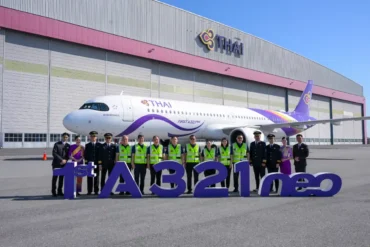
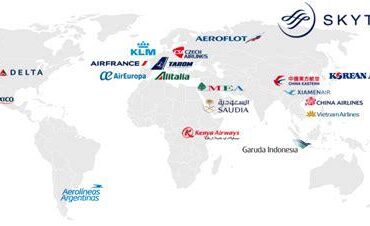
Star Alliance, headquartered in Frankfurt, Germany, has earned its place as the preeminent global airline alliance, redefining international air travel since its foundation on 14 May 1997. Born from a visionary collaboration among five major airlines—Air Canada, Lufthansa, Scandinavian Airlines, Thai Airways International, and United Airlines—it introduced the concept of a unified, worldwide air travel network. Today, Star Alliance encompasses 25 full member airlines, over 5,000 aircraft, and more than 1,300 airports across 195 countries, carrying 762 million passengers annually and controlling 17.4% of the global market share, outpacing rivals SkyTeam and Oneworld.
This alliance operates with a clear mandate: seamless connectivity, uniform excellence, and unparalleled passenger experience.
A Bold Beginning: The Rise of a Global Aviation Powerhouse
The formation of Star Alliance was not just a strategic move—it was a declaration. At a time when airlines largely operated in isolated silos, five legacy carriers envisioned a future where passengers could navigate international skies with ease, consistency, and privileged service. The alliance’s iconic star-shaped logo and the slogan “The Airline Network for Earth” became symbols of its global ambition.
With VARIG joining in October 1997, and Ansett Australia and Air New Zealand shortly after, the alliance rapidly expanded its reach to 720 destinations in 110 countries. The addition of All Nippon Airways (ANA) in 1999 cemented Star Alliance’s dominant position in the Asia-Pacific region, establishing it as a truly intercontinental network.
Strategic Growth and Market Consolidation in the 2000s
The 2000s were defined by aggressive expansion and strategic consolidation. Major carriers such as Singapore Airlines, Austrian Airlines, South African Airways, and Swiss International Air Lines joined the fold. This surge allowed Star Alliance to tap into key regional hubs across Southeast Asia, Southern Africa, and Central Europe, while new business centers in Frankfurt, Los Angeles, and Bangkok reinforced global corporate support structures.
The alliance showed remarkable resilience amid industry volatility. Though Ansett Australia and VARIG exited, their replacements—such as Air China, Turkish Airlines, and EgyptAir—opened access to emerging markets and high-growth travel corridors. By its 10th anniversary in 2007, Star Alliance served 855 destinations in 155 countries, with over 16,000 daily departures, a feat unmatched by any competitor.
The 2010s: Diversification, Connectivity, and Technological Integration
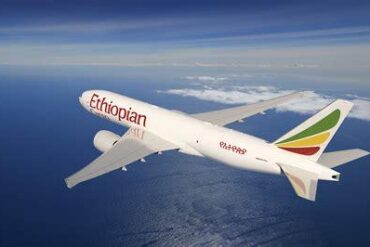
With the aviation industry becoming more complex, Star Alliance adapted by diversifying its membership and deepening integration across digital and operational platforms. The alliance welcomed Ethiopian Airlines, Aegean Airlines, Air India, and Shenzhen Airlines, reinforcing its presence in Africa, Eastern Europe, and mainland China.
A crucial move came in 2012, when Avianca, TACA, and Copa Airlines joined, unlocking South American markets and completing a truly global footprint. The inclusion of EVA Air and the alignment of frequent flyer programs helped create an ecosystem where travelers could expect a uniform service standard across different continents and cultures.
Throughout this decade, the alliance also contended with airline mergers, such as Continental merging into United, and the rise of Connecting Partners—non-member airlines like Juneyao Airlines and Avianca Brasil, which provided select route access without full membership.
2020s: Reinvention at 25 and Preparing for the Future
As Star Alliance celebrated its 25th anniversary in 2022, it embarked on a transformational journey, combining technological sophistication with operational flexibility. The alliance introduced intermodal travel partnerships, most notably with Deutsche Bahn and Austrian Federal Railways, recognizing the future of mobility as a seamless integration of air and ground transport.
This evolution was strategic and forward-thinking. The upcoming inclusion of ITA Airways (slated for the first half of 2026) following its exit from SkyTeam, and the departure of Scandinavian Airlines in August 2024, reflects how dynamic airline affiliations are, especially under the pressures of geopolitical shifts and environmental priorities.
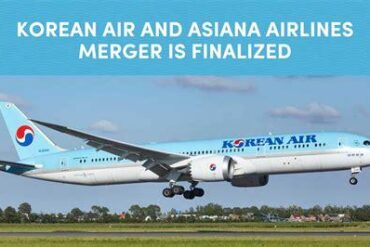
While the merger of Asiana Airlines into Korean Air will eventually draw the former out of the alliance, Lufthansa Group’s acquisition of a significant ITA stake ensures that Star Alliance maintains its grip on key European and transatlantic routes.
Inside the Passenger Experience: Silver and Gold Benefits
One of Star Alliance’s most powerful tools in retaining customer loyalty is its harmonized frequent-flyer program, which grants tiered benefits—Silver and Gold—across all member airlines. This system offers travelers consistency in service regardless of the carrier they’re flying with. Benefits include:
- Silver Status: Priority reservations, standby, and waitlisting privileges.
- Gold Status: Priority check-in and boarding, extra baggage allowance, access to over 1,000 premium lounges worldwide, and expedited security at select airports.
These privileges have become more than conveniences; they are indispensable advantages for business and luxury travelers navigating congested global hubs.
Unified Identity: The Power of Star Alliance Branding
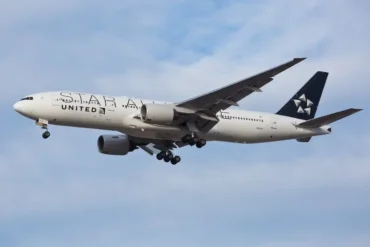
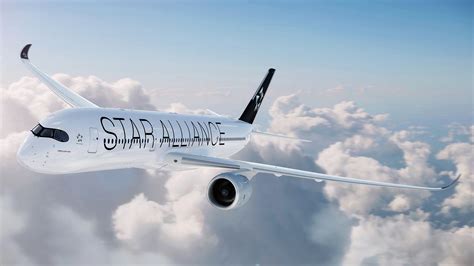
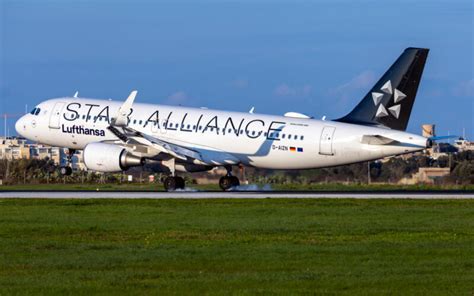
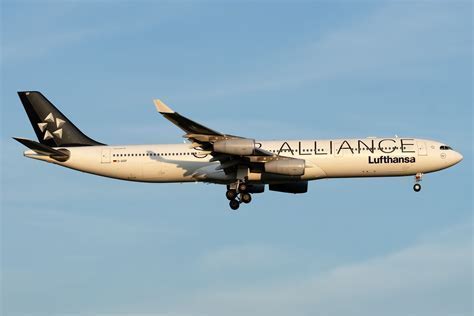
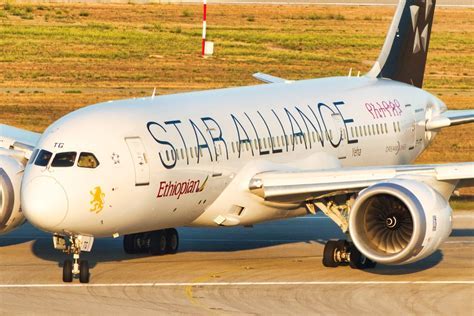
Star Alliance’s identity extends far beyond cooperative booking systems. Its distinctive livery, often seen in the form of aircraft painted in a unified white fuselage with a black tail and the star emblem, reinforces the visual coherence of the brand. While some airlines opt to retain their traditional colors with a small Star Alliance logo near the cockpit, the full alliance livery, pioneered by Asiana Airlines, reflects a sense of unity and global cohesion.
Beyond aircraft, shared terminals and branded lounges, like the award-winning Star Alliance Lounge at Los Angeles International Airport, provide a consistent premium experience, whether in Europe, Asia, or the Americas.
Accolades and Industry Recognition
Star Alliance’s success is not merely a matter of size—it is measured in its service quality. On 24 June 2024, it was voted both the World’s Best Airline Alliance and the Best Airline Alliance Lounge by Skytrax, the aviation industry’s most respected benchmark for customer satisfaction. These accolades validate its ongoing investment in customer service, innovation, and strategic leadership.
The Road Ahead: Sustainability, Digitalization, and Competitive Agility
The future of Star Alliance lies in sustainable aviation, digital transformation, and adaptive collaboration. In an era defined by environmental mandates and customer demand for transparency, the alliance is exploring low-emission operations, AI-powered booking tools, and streamlined biometric boarding systems.
Moreover, the alliance’s ability to adapt to changing market dynamics—such as welcoming former competitors like ITA Airways and embracing rail-air intermodality—demonstrates a strategic agility unmatched by other global alliances.
With the constant churn of airline entries, exits, and consolidations, the only constant in global aviation is change. Yet Star Alliance, with its profound institutional strength, expansive network, and unwavering customer focus, remains not only a survivor but a visionary leader.
Conclusion: More Than an Alliance—A Global Travel Ecosystem
From its bold inception in 1997 to its current status as the world’s leading airline alliance, Star Alliance represents far more than a consortium of carriers. It is a global travel ecosystem, dedicated to delivering interconnected, efficient, and elevated air travel experiences to hundreds of millions of passengers each year.
Its continued success will be defined not just by how many planes it flies or destinations it reaches, but by how seamlessly it connects people, cultures, and possibilities across the skies.