Founded on 22 June 2000, the SkyTeam airline alliance emerged as a response to increasing globalization and the evolving needs of international air travelers. With its headquarters in Amstelveen, Netherlands, SkyTeam was established by four of the world’s most influential carriers—Delta Air Lines, Aeroméxico, Air France, and Korean Air. Over the decades, SkyTeam has transformed into a global powerhouse, boasting 18 full members as of May 2025. It connects passengers across 1,000+ airports in 160+ countries, moving over 624 million travelers annually, while also overseeing a dedicated cargo operation through SkyTeam Cargo.
Formation and Ambition: The Early Years of SkyTeam
SkyTeam’s official inception in June 2000, marked by a summit in New York City, was a strategic consolidation to rival established giants like Star Alliance and Oneworld. The alliance launched with an impressive 6,402 daily flights to 451 destinations in 98 countries, signaling not only ambition but capability.
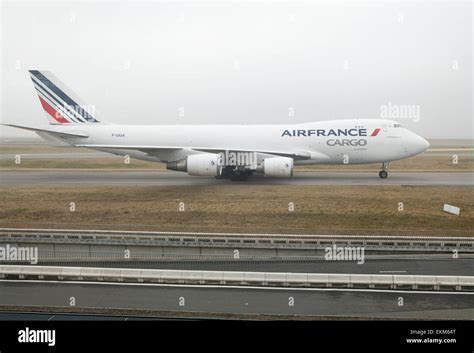
Shortly thereafter, in September 2000, the alliance broadened its scope by launching SkyTeam Cargo, the first global airline cargo alliance, comprising Aeromexpress, Air France Cargo, Delta Air Logistics, and Korean Air Cargo. The early 2000s also saw rapid growth in membership: CSA Czech Airlines joined in March 2001, followed by Alitalia in November 2001. Even KLM, though deeply intertwined with Air France, signaled its interest in joining as early as 2001, laying the groundwork for a more unified European footprint.
In these foundational years, SkyTeam showcased a commitment to innovation. In 2003, the alliance revamped its digital platforms, prioritizing interactive passenger services, and adjusted its U.S. strategy by transitioning from Delta Express to the more customer-focused Song airline.
The First Wave of Expansion: Strategic Partnerships (2004–2009)
The mid-2000s were characterized by an aggressive push to widen SkyTeam’s global reach. In May 2004, Aeroflot signed a Memorandum of Understanding to join, and just three months later, China Southern Airlines initiated preliminary negotiations. These moves marked SkyTeam’s long-term interest in Eastern Europe and East Asia—markets long dominated by rival alliances.
A milestone came in September 2004 when Continental Airlines, KLM, and Northwest Airlines joined simultaneously, creating the largest single expansion by any airline alliance. This leap not only allowed SkyTeam to surpass Oneworld in size but also provided it with critical hubs in Amsterdam, Houston, and Detroit.
To address smaller but emerging markets, SkyTeam initiated its Associate Member Program in 2005–2006, onboarding Air Europa, Copa Airlines, Kenya Airways, and TAROM. Aeroflot completed its onboarding in April 2006 after successfully passing the rigorous IATA IOSA audit.
Further bolstering SkyTeam’s Asia presence, China Southern became a full member in November 2007. However, volatility accompanied this growth—Continental and Copa departed in 2008–2009, transitioning to Star Alliance. During this time, SkyTeam also initiated management centralization in Amsterdam, hired a new Managing Director, and launched its now-iconic special alliance livery.
SkyTeam in the 2010s: Celebrating Growth and New Frontiers
The 2010s marked a decade of consolidation, celebration, and deeper market penetration. In January 2010, Delta and Northwest fully merged operational certificates, streamlining North America operations. That same year, SkyTeam Cargo welcomed China Southern’s cargo arm, signaling its commitment to freight dominance in Asia.
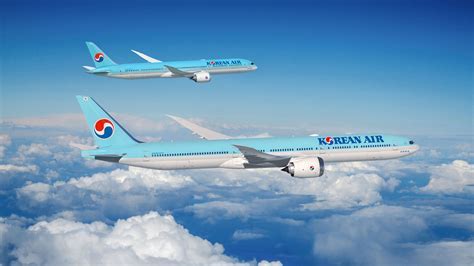
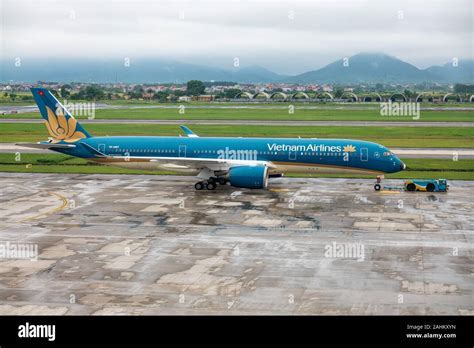
Vietnam Airlines joined in June 2010, becoming the alliance’s first Southeast Asian member. In tandem with its 10th anniversary, SkyTeam celebrated tripled membership and doubled daily flights. It also granted full membership to its earlier associate members, marking a strategic shift to fortify long-term partnerships.
Between 2010 and 2014, major developments included:
- China Airlines and Aerolíneas Argentinas entering the alliance
- Garuda Indonesia, Saudia, Middle East Airlines, XiamenAir, and Aerolineas Argentinas joining between 2011–2012
- A significant strategic pivot to Africa, South Asia, and Latin America
Though Aeroflot considered withdrawal around 2013, it ultimately remained. However, turbulence resumed by 2018, with China Southern Airlines officially leaving the alliance in December of that year.
SkyTeam in the 2020s: Turbulence, Transition, and Transformation
The decade began with disruption. Alitalia, a long-time member, ceased operations in October 2021, replaced by ITA Airways. Then came the Ukraine crisis—leading to Aeroflot’s suspension from the alliance in April 2022.
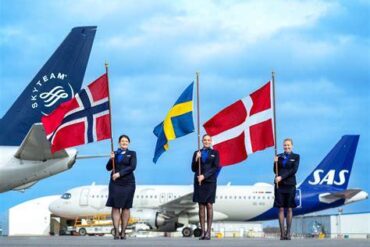
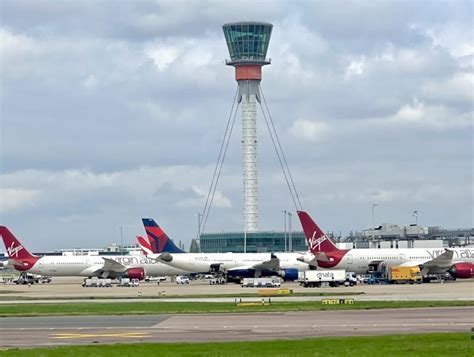
Despite these setbacks, SkyTeam forged ahead. Virgin Atlantic joined in March 2023, significantly enhancing transatlantic offerings, while Scandinavian Airlines (SAS), a former Star Alliance stalwart, defected to SkyTeam in September 2024—a significant competitive coup. However, Czech Airlines ceased operations shortly afterward, and ITA Airways began a transition to Star Alliance by April 2025, indicating the fluid nature of alliance dynamics.
Today, SkyTeam continues to focus on strategic retention, member diversity, and technological harmonization. The alliance has increased efforts to streamline passenger experience through initiatives such as SkyPriority and unified lounge access policies.
Member Composition: Diversity and Global Coverage
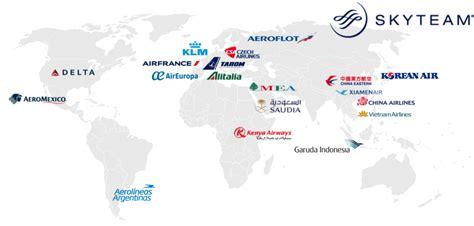
As of May 2025, SkyTeam boasts 18 full members, including legacy founders and dynamic regional carriers:
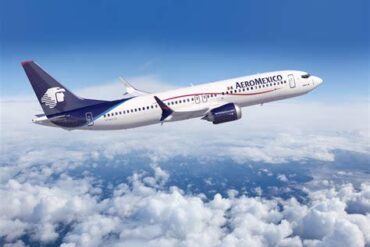
- Founding Members: Aeroméxico, Air France, Delta Air Lines, Korean Air
- Asia-Pacific: China Airlines, Garuda Indonesia, Vietnam Airlines, XiamenAir
- Europe & Middle East: Air Europa, TAROM, Saudia, Middle East Airlines, Scandinavian Airlines
- Americas: Aerolíneas Argentinas, Virgin Atlantic
- Africa: Kenya Airways
SkyTeam also maintains extensive affiliated carrier networks through brands like Delta Connection and Air France HOP, offering seamless connectivity beyond the mainline fleet.
Suspended Member: Aeroflot (since 2022)
Former Members: Alitalia, China Southern, Continental, Czech Airlines, Northwest, ITA Airways
SkyTeam Cargo: A Parallel Freight Powerhouse
Launched concurrently with the passenger alliance, SkyTeam Cargo represents a cohesive cargo strategy driven by seven dedicated carriers:
- Aerolíneas Argentinas Cargo
- Aeroméxico Cargo
- Air France-KLM Cargo
- China Cargo Airlines
- Delta Cargo
- Korean Air Cargo
- Saudia Cargo
From fresh produce in South America to semiconductors in Asia, SkyTeam Cargo provides a harmonized logistics framework across major global trade corridors. Its newest member, Saudia Cargo, joined in April 2019, boosting access to Middle Eastern freight markets.
Branding and Identity: The Signature SkyTeam Livery
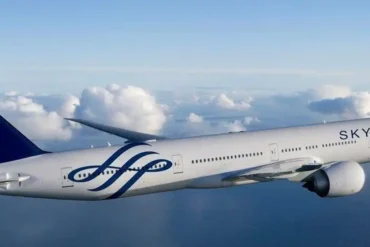
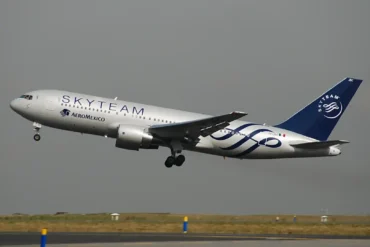
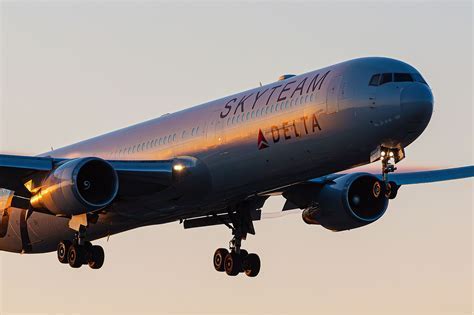
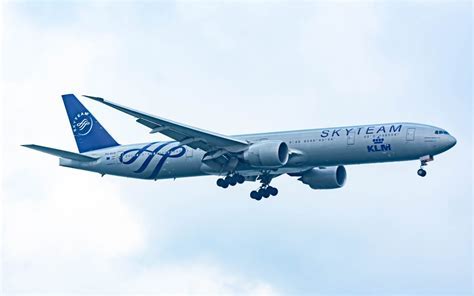
One of SkyTeam’s most recognizable features is its signature livery, launched in 2009 to commemorate its 10th anniversary. Adorned with a metallic silver fuselage, dark blue tail, and the distinct SkyTeam swirl emblem, this livery evokes brand unity and elite status.
As of August 2016, 52 aircraft across various members displayed the alliance paint scheme. These liveries serve as ambassadors of SkyTeam’s mission of cohesive global air travel and can be spotted at major international airports from Paris to Jakarta.
Looking Forward: SkyTeam’s 25-Year Legacy and Beyond
With its 25th anniversary on the horizon in 2025, SkyTeam stands as a testament to the power of strategic aviation partnerships. While the alliance has faced turbulence—geopolitical tensions, economic downturns, and competitive exits—it has continually adapted through strategic membership shifts, technological upgrades, and targeted market expansions.
The departure of ITA Airways and suspended status of Aeroflot underscore that alliances are fluid ecosystems, not static entities. Yet, SkyTeam’s resilience lies in its ability to rebalance, reorient, and recruit from emerging regions and new economies.
As international travel rebounds post-pandemic, SkyTeam’s core strengths—coordinated services, multi-region coverage, and cargo capacity—position it as a formidable global player.
From its foundation in New York in 2000 to its current operations across six continents, SkyTeam exemplifies the evolution of airline alliances—not merely as marketing groups but as fully integrated global networks built for a connected world.