Founded in the heart of Mexico on 14 September 1934, Aeroméxico—officially Aerovías de México, S.A. de C.V.—has grown from a modest regional operator into Mexico’s most recognized international airline. Headquartered in Torre MAPFRE on Paseo de la Reforma, Mexico City, Aeroméxico has not only survived political changes, economic crises, and a global pandemic but has also become a central pillar in the global aviation network through its founding membership in the SkyTeam alliance.
Its rich history, strategic partnerships, innovative technological adoption, and expanding global footprint have made Aeroméxico a symbol of Mexican ambition and resilience in the skies.

The Origins: A Legacy Rooted in the 1930s
Aeroméxico’s story began with a Stinson Reliant SR-5A that took off from Mexico City to Acapulco in 1934 under the original name Aeronaves de México. The 1940s ushered in support from Pan American World Airways, which owned a 40% stake and modernized the airline’s fleet with aircraft such as DC-2s and Boeing 247s.
During the 1950s, Aeroméxico absorbed Aerovías Guest, gaining transatlantic routes and enhancing its global profile. It wasn’t until 1958 that flights from Mexico City to New York City commenced, placing the airline squarely on the map of international carriers. Following nationalization in 1959, the airline was poised for accelerated growth.
The Jet Age and Global Reach in the 1960s and 1970s
With the arrival of the Douglas DC-8 in 1961, Aeroméxico embraced the jet age. These aircraft flew both domestic and international routes, notably to New York. In 1963, the airline formally merged with Aerovías Guest, solidifying its European connections with aircraft like the de Havilland Comet 4C.
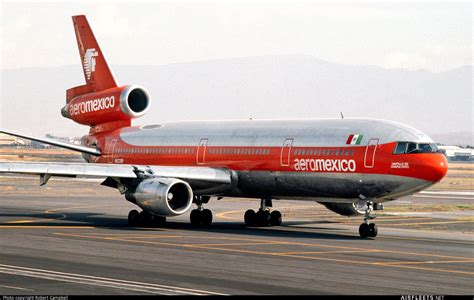
By 1972, the airline had rebranded to Aeroméxico and introduced DC-10-30 and DC-9-32 aircraft. These widebody jets represented a step forward in comfort and capacity. Pop culture also gave Aeroméxico valuable visibility as its aircraft began to appear in films and media, marking the brand’s subtle entry into the international cultural consciousness.
From Turbulence to Transformation: The 1980s and 1990s
The 1980s were a period of highs and lows. New aircraft like the MD-82 and DC-10-15 expanded Aeroméxico’s operational capabilities. However, tragedy struck in 1986 with the Cerritos mid-air collision of Flight 498, causing 84 fatalities and highlighting the vulnerabilities of congested airspaces.
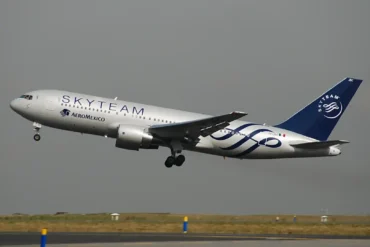
In 1988, Aeroméxico declared bankruptcy but quickly privatized and relaunched under the name Aerovías de México, retiring older aircraft and pivoting towards operational efficiency. The 1990s saw continued fleet modernization, including the Boeing 767-200ER and 767-300ER, enabling renewed service to cities like Madrid, Paris, and Frankfurt.
Corporate maneuvering was intense during this era. Aeroméxico attempted to acquire Continental Airlines and successfully absorbed Aeroperú and Mexicana, although the latter was short-lived. Domestic fare wars, union disputes, and the 1994 peso crisis forced network cutbacks, aircraft retirements, and significant restructuring under the government’s Cintra holding company.
Modernization and the SkyTeam Era in the 2000s
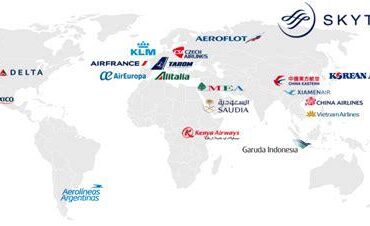
The early 2000s began with Aeroméxico becoming a founding member of the SkyTeam alliance on 22 June 2000. SkyTeam gave the airline global access and credibility, aligning it with giants like Air France, KLM, and Delta Air Lines.
By 2003, the Boeing 737-700 joined the fleet, modernizing short-haul operations. Long-haul routes were revitalized with the Boeing 777-200ER, launching services from Mexico City to Tokyo via Tijuana in 2006 and Shanghai in 2010. The long-haul fleet continued to evolve with the announcement of three Boeing 787 Dreamliners in 2006, a signal of intent to lead the Latin American aviation space.
Delta Alliance and the Digital Leap (2010–2019)
Aeroméxico’s most consequential alliance came through its deepening relationship with Delta Air Lines. In 2011, Delta invested $65 million, joined Aeroméxico’s board, and codeshared on all Mexico–US routes. The partnership matured into a Joint Commercial Agreement (JCA) in 2017, sharing revenue and route planning between both carriers.
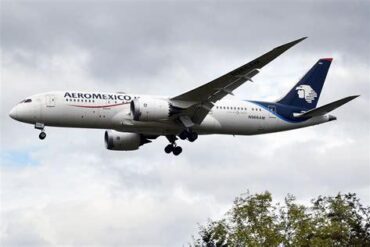
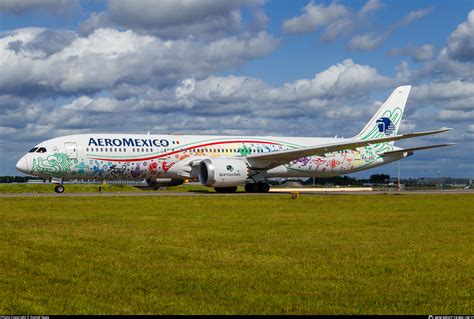
Fleet modernization accelerated with the Dreamliner deliveries between 2013 and 2016, including the iconic XA-ADL 787-9 in Quetzalcóatl livery. These aircraft introduced cutting-edge Panasonic broadband and were instrumental in launching or enhancing long-haul routes to Europe and Asia.
In the digital domain, Aeroméxico rolled out impressive technological features:
- 2Ku WiFi on 737-800s
- Gogo Vision on Embraers
- Revamped website and mobile app (in partnership with MediaMonks)
- First major Latin American carrier on WhatsApp Enterprise (2017)
In 2016, it became the first airline in the Americas to launch a chatbot on Facebook Messenger, named Aerobot, revolutionizing customer interactions.
Navigating COVID-19 and Chapter 11 Bankruptcy
Like all major airlines, Aeroméxico faced unprecedented pressure during the COVID-19 pandemic. The sharp decline in travel forced the airline to file for Chapter 11 bankruptcy in the U.S. on 30 June 2020. Despite the financial turmoil, operations continued under restructuring.
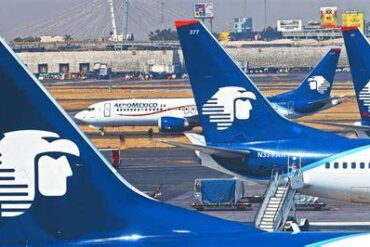
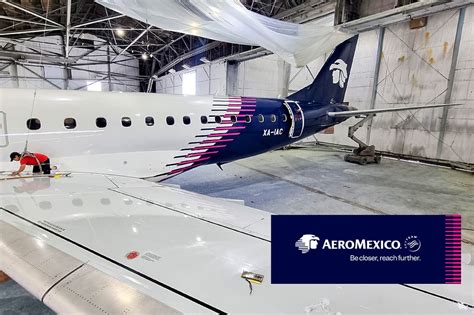
Delta once again stepped in, purchasing $185 million in Chapter 11 debt in 2021, reaffirming its commitment to the partnership. The airline took this moment of crisis to streamline its operations, retire aging aircraft, and plan a leaner post-pandemic future. By August 2024, Aeroméxico proudly unveiled a new livery to celebrate its 90th anniversary, showcasing its enduring brand identity.
Fleet and Route Network: Dominance in Motion
As of May 2025, Aeroméxico operates an all-Boeing mainline fleet:
- 34 Boeing 737-800
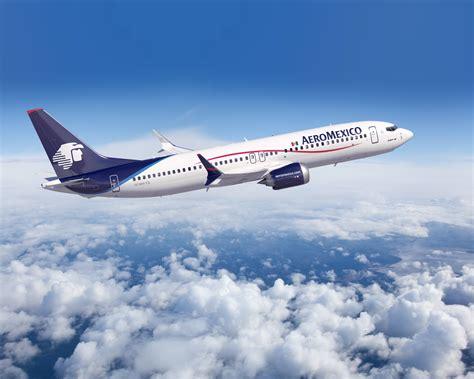
- 42 Boeing 737 MAX 8 (3 on order)
- 26 Boeing 737 MAX 9 (4 on order)
- 8 Boeing 787-8 Dreamliners
- 14 Boeing 787-9 Dreamliners (2 on order)
Premium cabin configurations include 16 Business Class seats on 737s and up to 36 Business Class seats on 787-9s, supporting a robust long-haul offering. Destinations now span 90+ cities across the Americas, Europe, and Asia.
Recent route expansions include:
- Rome (resumed 2023)
- Barcelona (launched June 2024)
- New connectivity under the Delta JV including JFK–Cancún, Atlanta–Mérida, Seattle–Mexico City
Aeroméxico Connect, the regional subsidiary, enhances domestic coverage and cross-border flights, operating in conjunction with the mainline brand.
Codeshares and Strategic Global Partnerships
Aeroméxico has codeshare agreements with numerous international carriers, reinforcing its SkyTeam and beyond connectivity:
- Delta Air Lines (JV partner)
- Air France
- KLM
- Korean Air
- Virgin Atlantic
- Japan Airlines
- China Eastern
- LATAM
These agreements allow seamless transfers, shared loyalty benefits, and coordinated flight schedules, enhancing the travel experience for global passengers.
Controversies and Corporate Culture Challenges
While Aeroméxico has seen innovation and strategic success, it hasn’t been without controversy. Accusations of racial discrimination have surfaced on multiple occasions. In May 2022, Indigenous filmmaker David Cayetano was allegedly barred from flying due to supposed vaccination issues. Just three months later, an Indigenous family was removed from a flight, drawing public criticism. These events highlight the need for more inclusive training and public accountability.
Conclusion: Mexico’s Global Airline Looks Ahead
From a single aircraft flying to Acapulco in 1934 to a global airline with a sophisticated long-haul fleet, Aeroméxico has earned its place as a leading figure in international aviation. Backed by strategic partnerships, an expanding route network, and cutting-edge technology, it continues to bridge Mexico with the world.
Yet, with its future dependent on passenger trust and sustainable growth, the airline must ensure it upholds its slogan—“La línea de los Mexicanos y del mundo” (Mexico’s Global Airline)—by demonstrating not only operational excellence but also cultural respect and global inclusivity.