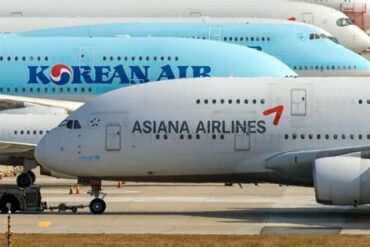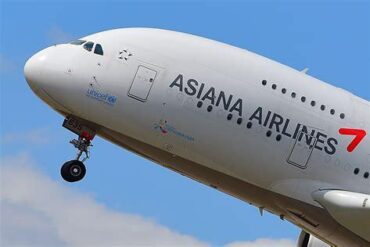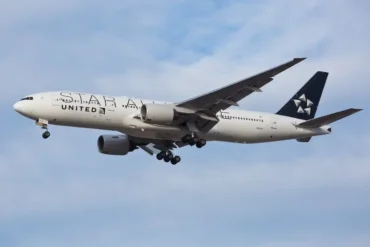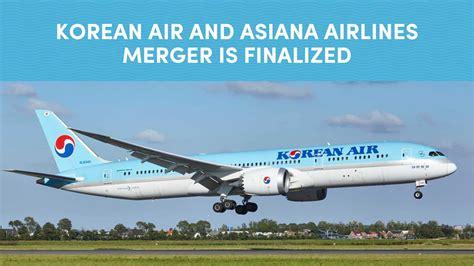
Asiana Airlines will officially leave Star Alliance in December 2026, ending more than 23 years as one of the global alliance’s most recognizable Asian members. The departure marks the conclusion of a relationship that began in March 2003 and clears the way for the South Korean carrier’s long-awaited merger with Korean Air, a move that will reshape the country’s aviation industry and alter alliance dynamics across Asia.
For more than two decades, Asiana Airlines has been a key component of Star Alliance’s presence in Northeast Asia. Although it was not among the alliance’s founding members in 1997, the airline quickly became one of its earliest additions when it joined on March 28, 2003. Over the years, Asiana helped connect Seoul with dozens of international destinations while offering passengers access to Star Alliance’s vast global network and frequent flyer benefits.
The carrier’s withdrawal is not connected to the traditional IATA seasonal schedule changes that usually occur in late October. Instead, the timing has been carefully coordinated with its integration into Korean Air. Star Alliance confirmed that Asiana Airlines will officially depart the alliance on December 16, 2026, at 11:59 PM Korea Standard Time. Just minutes later, a new chapter will begin as the carrier becomes part of the unified Korean Air operation.
Throughout its membership, Asiana Airlines played an important role in delivering seamless connectivity between Asia, Europe, North America, and Oceania. The alliance publicly thanked the airline and its employees for their contributions, acknowledging their efforts in maintaining the customer experience that Star Alliance has built worldwide.
After joining the alliance in 2003, Asiana became the fifth non-founding airline to enter the group. Later that same year, LOT Polish Airlines joined, bringing the membership to ten carriers. Over the following decades, Star Alliance expanded into the world’s largest airline alliance, and Asiana remained one of its most important Asian partners.
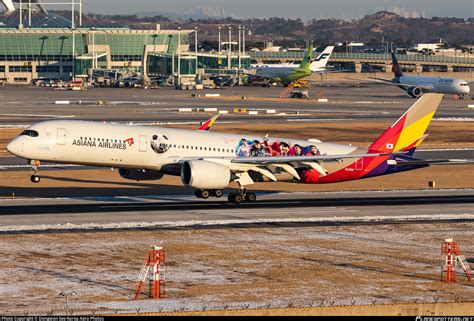
Asiana Airlines And Star Alliance Prepare A Gradual Transition
To ensure minimal disruption for travelers, Star Alliance and Asiana Airlines have implemented a phased transition for loyalty programs and customer benefits. Passengers enrolled in any Star Alliance member frequent flyer program will continue earning miles on Asiana-operated flights departing on or before October 15, 2026.
Members will also retain the ability to redeem miles for award tickets and upgrades on Asiana services until the carrier formally exits the alliance on December 16. Premium passengers holding Star Alliance Gold status will continue receiving priority benefits, including lounge access, priority boarding, and additional baggage allowances throughout the transition period.
This approach is intended to provide customers with continuity while allowing both organizations to prepare for one of the most significant airline mergers in Asia in recent years. Frequent flyers who have relied on Asiana for decades will have several months to adapt before the airline disappears as an independent brand.
Korean Air Merger Will Transform South Korea’s Airline Industry
The merger between Asiana Airlines and Korean Air has been under discussion since 2020. Regulatory approvals and integration efforts have stretched over several years, with the practical merger process beginning in 2024. Once completed, the combined airline will become the dominant force in South Korea’s aviation market.
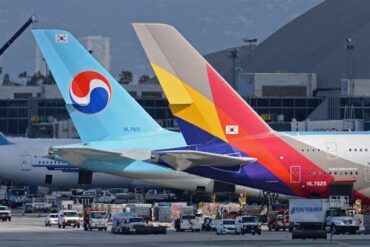
By December 17, 2026, Asiana Airlines as a separate entity will effectively cease operations, with its aircraft, employees, and routes gradually integrated into Korean Air. The move will strengthen Korean Air’s position internationally while consolidating the country’s full-service airline sector under one flagship carrier.
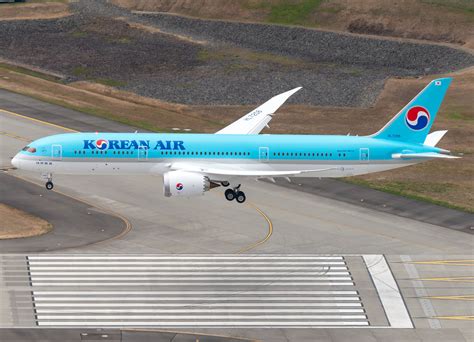
The merger also creates an interesting alliance shift. While Asiana belongs to Star Alliance, Korean Air is one of the founding members of SkyTeam. As a result, Star Alliance will lose one of its long-standing Asian carriers, while SkyTeam will gain additional strength through the combined Korean Air operation.
Star Alliance Will Continue Maintaining A Strong Presence In Seoul
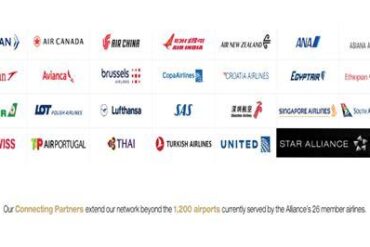
Despite Asiana’s departure, Star Alliance will maintain extensive connectivity through Seoul Incheon International Airport. Beginning December 17, 2026, the alliance will consist of 25 member airlines, with 14 of those carriers continuing to serve South Korea’s primary international gateway.
Collectively, these airlines operate more than 1,900 monthly flights and connect Seoul with 29 destinations worldwide. Travelers flying from North America will continue enjoying nonstop services from Air Canada and United Airlines. European routes remain supported by Lufthansa, SWISS, Turkish Airlines, and LOT Polish Airlines.
Several major Asian and international carriers will also continue serving Seoul, including Singapore Airlines, EVA Air, Air China, Thai Airways, Air India, Air New Zealand, Ethiopian Airlines, Shenzhen Airlines, and others. Their continued presence ensures that Star Alliance retains a significant footprint in one of Asia’s busiest aviation markets.
End Of A 23-Year Partnership Signals A New Era
Asiana Airlines’ departure from Star Alliance closes one of the alliance’s longest-running partnerships outside its original founding group. For millions of travelers, the airline represented a crucial gateway to South Korea and the broader Asia-Pacific region.
While the end of its Star Alliance membership marks the conclusion of an era that began in 2003, it also signals the beginning of a new phase in Asian aviation. The merger with Korean Air will create a larger and more powerful carrier, while Star Alliance will continue evolving with a slightly smaller but still extensive network spanning the globe.
For aviation enthusiasts and frequent travelers alike, December 2026 will represent a historic turning point as one of Star Alliance’s longest-serving members prepares to embark on an entirely new journey.