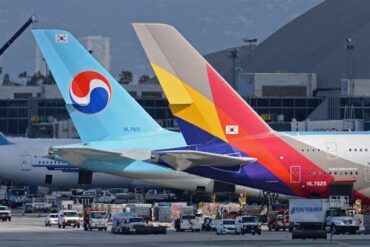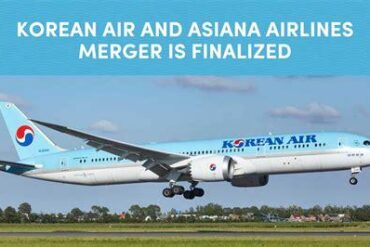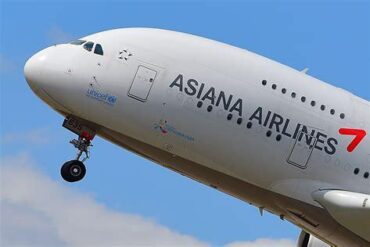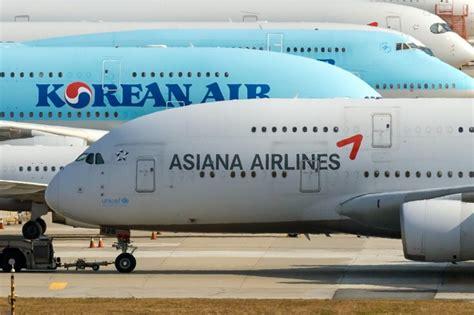
The historic merger between Korean Air and Asiana Airlines represents a seismic shift in the South Korean and global aviation industry. This consolidation, initiated by the South Korean government in November 2020, culminated in the formal acquisition of a 63.88% stake in Asiana for ₩1.5 trillion, finalizing on December 12, 2024. The move not only marks the formation of a dominant flag carrier but also reshapes competitive dynamics across key international markets.
A Government-Backed Strategic Realignment
The origins of this monumental merger trace back to financial turbulence at Kumho Asiana Group, Asiana Airlines’ parent company. Amid mounting fiscal pressure and a failed acquisition bid by HDC Group, derailed by the COVID-19 pandemic, the South Korean government stepped in. Backed by Korea Development Bank’s ₩800 billion investment, the government facilitated Korean Air’s takeover to stabilize and consolidate the national aviation sector.
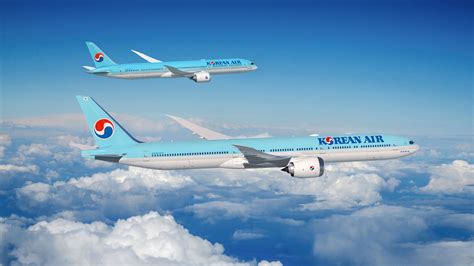
The Ministry of Land, Infrastructure and Transport swiftly approved the plan. Korean Air’s board greenlit the acquisition on the same day, envisioning the unification of the two carriers under SkyTeam, where Korean Air already held membership, and transitioning Asiana out of Star Alliance. The merger blueprint also included combining their low-cost carrier subsidiaries — Jin Air, Air Busan, and Air Seoul — into a single regional LCC, streamlining operations across South Korea’s secondary airports.
Integration Details: Dissolution, Consolidation, and Rebranding
The merger involved a full absorption of Asiana Airlines into Korean Air, with Asiana’s operational systems running under Korean Air from 2021 through the transition phase. By January 1, 2027, the Asiana brand will be fully retired, signifying the end of its independent presence in the skies.
Korean Air also announced that Asiana Club, the latter’s loyalty program, will be integrated into Korean Air’s SKYPASS, with a joint mileage plan submission expected by June 2025 to South Korea’s Fair Trade Commission (FTC).
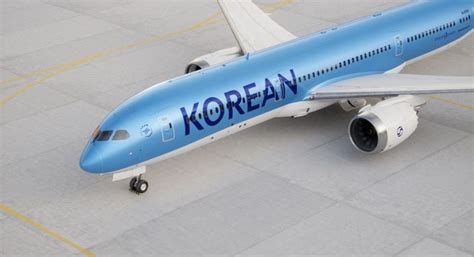
On March 11, 2025, Korean Air revealed its first new logo in 41 years, a sleek design by Lippincott symbolizing the integration of two legacies into a unified future.
Regulatory Navigation and Concessions in Global Markets
The merger faced intense regulatory scrutiny, particularly in the European Union and the United States, where competition authorities raised significant antitrust concerns. Initially, in 2021, the US Department of Justice (DOJ) granted conditional approval, but the situation shifted dramatically by mid-2023.
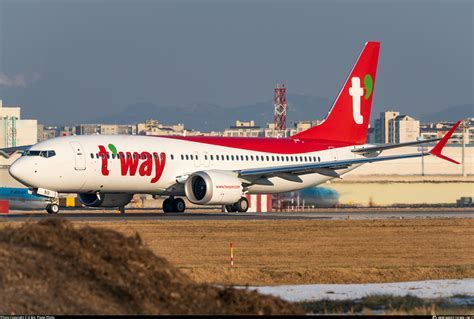
Both the EU and DOJ flagged the merger for potentially reducing competition across critical transpacific and Europe-Asia routes. These concerns prompted Korean Air to propose a strategic revision. The airline offered to divest Asiana’s cargo division and relinquish slots at key European airports, including Barcelona, Rome, Paris, and Frankfurt, to low-cost rival T’way Air. Additionally, Airbus A330 aircraft and flight crews were arranged to facilitate T’way’s entry into these markets.
By November 2, 2023, Korean Air submitted an amended application to the European Commission, resulting in conditional approval by February 13, 2024, and final clearance by November 28, 2024. Meanwhile, the DOJ, having blocked the deal in May 2023, reversed its decision after Korean Air revised its acquisition model to a partial 63.88% stake, which was officially approved on December 2, 2024.
Global Approvals and Conditions by Jurisdiction
Regulatory clearances were secured from several key aviation authorities:
- China: Approved the deal on December 26, 2022.
- Japan: Approved on January 31, 2024, requiring the surrender of slots on seven high-traffic Korea-Japan routes.
- South Korea: Issued conditional approval on December 26, 2023, requiring structural changes and price restrictions over a 10-year period.
- United Kingdom: Gave approval on May 1, 2023, after Korean Air transferred seven weekly slots to Virgin Atlantic to enable new London–Seoul services.
- United States: Final DOJ approval on December 2, 2024, following the revised acquisition structure.
Other non-essential aviation markets — including Singapore, Malaysia, Turkey, Vietnam, Taiwan, Thailand, Australia, and the Philippines — also granted approvals without major concessions.
Union Opposition and Competitive Landscape Concerns
Despite regulatory wins, the merger met with domestic unrest, particularly from Asiana Airlines labor unions, who rallied in October 2023 against what they saw as the “dismantling” of Asiana and a threat to national aviation interests. Their concerns revolved around job security, brand erasure, and corporate consolidation, which they feared would lead to reduced service quality and higher prices.

In the United States, aviation analysts voiced alarm over the merger’s impact on transpacific competition, especially since Delta Air Lines, a SkyTeam member, holds a significant stake in Hanjin Group, Korean Air’s parent. The merger effectively links Delta with both of Korea’s major long-haul carriers, raising fears of price hikes and limited choices for U.S.–Korea travelers.
Strategic Goals and the Road Ahead
The Korean government described the merger as a “national champion policy,” intended to stabilize the aviation industry and fortify South Korea’s position in global air transport. The creation of a mega-carrier offers scale advantages in fleet management, route optimization, and global partnerships — crucial for post-pandemic recovery and sustained international competitiveness.
The integration of their low-cost carriers into a singular LCC brand will likely help Korean Air strengthen its presence in secondary domestic airports and enhance price competitiveness on regional Asian routes.
At the same time, the consolidation demands careful brand management, workforce harmonization, and ongoing compliance with international competition standards. The delayed full absorption of the Asiana brand until 2027 offers Korean Air room to navigate these changes without abrupt operational shifts.
Conclusion: A Transformational Milestone in Asian Aviation
The merger of Korean Air and Asiana Airlines signals a landmark evolution in global aviation, birthing a formidable carrier poised to influence routes from Asia to North America and Europe. While the journey involved intense regulatory scrutiny, strategic concessions, and public backlash, the completed acquisition sets the stage for a more robust and globally competitive South Korean airline.
As Korean Air prepares for the next phase — including loyalty program unification, brand sunsetting, and low-cost integration — the world watches how this aviation behemoth redefines air travel across continents.