The supersonic business jet (SSBJ) stands at the crossroads of luxury, technology, and ambition. Combining the high-speed capabilities of military aircraft with the comfort and exclusivity of private jets, SSBJs are being developed to meet a future where time is the ultimate currency. While none have yet reached commercial production, the race is heating up, with innovators attempting to overcome historic hurdles such as sonic boom noise, fuel efficiency, and development costs. Today, new players are challenging long-held assumptions, promising a new age of executive air travel at Mach speeds.
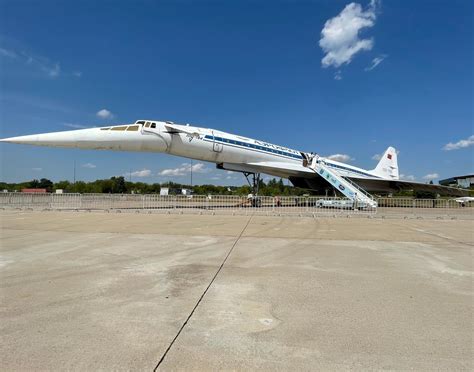
The concept of supersonic business jets emerged from the ashes of the Concorde and the Tupolev Tu-144, both of which represented monumental engineering achievements but suffered from high costs, limited routes, and environmental concerns. These aircraft were government-subsidized and failed to recover development investments. However, the private jet market—targeting a smaller, ultra-premium demographic—is seen by aerospace innovators as the viable launchpad for a supersonic renaissance.
Reimagining Speed for the Executive Class
Modern SSBJs are designed to carry between 8 to 19 passengers, often featuring cabin sizes comparable to today’s large-cabin business jets. The target clientele includes corporate executives, government officials, and ultra-high-net-worth individuals who value global reach and rapid transit over continents. While Concorde could cruise at Mach 2.04, current SSBJ proposals range between Mach 1.4 to Mach 3, balancing speed with regulatory and environmental constraints.
Manufacturers are focusing on aerodynamic innovation, advanced materials, and quiet supersonic technology. By leveraging composite airframes, delta-wing configurations, and cutting-edge engines—often derived from proven military designs—developers hope to resolve the issues that doomed their predecessors.
Aerion SBJ and AS2: The Canceled Pioneer
Among the most notable recent efforts was the Aerion SBJ, followed by the more advanced Aerion AS2. Backed initially by Boeing and GE Aviation, the AS2 promised Mach 1.4 speeds, a range of 4,200 nautical miles, and innovations like boomless cruise technology. Aerion aimed to fly routes such as New York to London in under 5 hours, with a luxurious 12-passenger interior.
However, despite significant progress—including wind tunnel testing, engine studies, and a proposed production site in Florida—Aerion abruptly ceased operations in 2021 due to a lack of sustainable capital. Their collapse highlighted the capital-intensive and high-risk nature of bringing a supersonic platform to market.
Boom Supersonic and the Overture Program
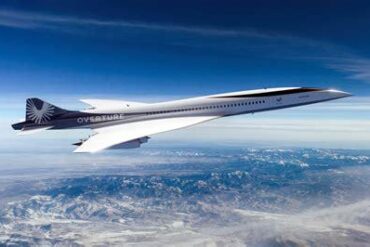
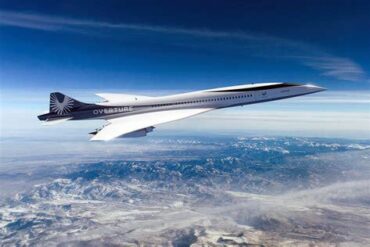
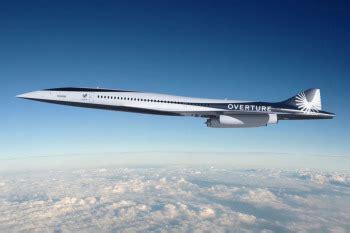
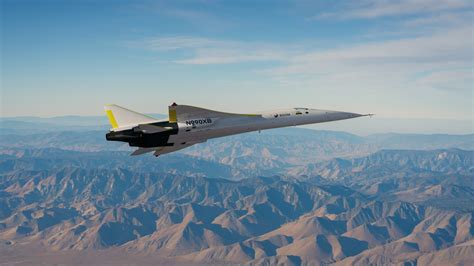
Boom Technology, a Colorado-based company, represents the most visible and well-funded contemporary contender. Their flagship project, the Boom Overture, is a commercial supersonic jet aiming to carry 65 to 80 passengers at Mach 1.7 over water. While Overture targets commercial airlines, Boom’s ambitions have clear implications for private aviation. The company’s prototype, Boom XB-1 “Baby Boom”, achieved its first supersonic test flights in 2024, providing vital data for scaling up to full production.
With funding from venture capital firms and purchase commitments from carriers like United Airlines, Boom is shaping itself into a credible leader. The technology could easily be adapted for a premium executive configuration, making a private version of Overture feasible in the next decade.
Spike Aerospace: Designing for Silence and Style
Spike Aerospace is focused entirely on the executive market with its Spike S-512, a supersonic business jet designed to cruise at Mach 1.6 and carry up to 18 passengers. Unique to the S-512 is its emphasis on aesthetic minimalism and interior flexibility. The cabin features windowless walls replaced by panoramic digital displays that can show the outside view or custom imagery.
Spike claims the aircraft will generate a low sonic signature, using aerodynamic shaping and flight path management to minimize sonic booms. With range targets of 6,200 miles, the S-512 would enable direct routes like Dubai to New York or Tokyo to Los Angeles in less than half the current travel time.

Gulfstream and the Quiet Spike Initiative
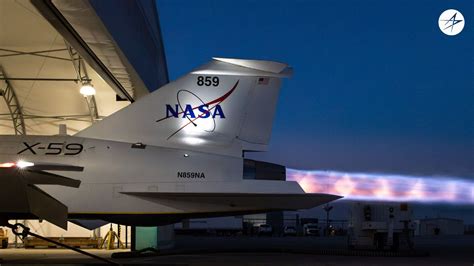
While Gulfstream has not yet formally announced a supersonic aircraft, it has long invested in sonic boom mitigation research, most notably the Quiet Spike. Developed in collaboration with NASA, this retractable nose spike modifies shockwave patterns to reduce the boom’s perceived noise. The technology is considered essential for overland supersonic flight, which remains restricted by regulatory bodies like the FAA and ICAO due to noise concerns.
Gulfstream’s approach is methodical, focusing on refining enabling technologies before launching a full program. Industry analysts expect that any Gulfstream SSBJ would likely debut in the mid-2030s, with a mature, regulation-compliant design that leverages lessons learned from predecessors.
Russia and the Tupolev Tu-444 Vision
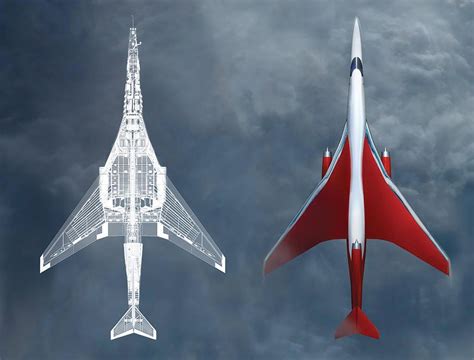
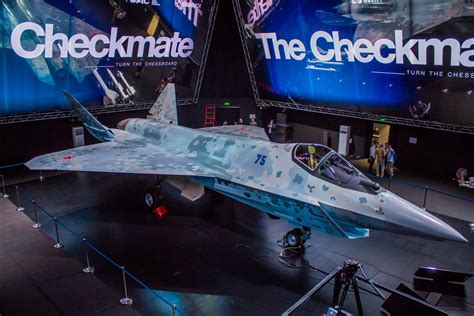
In a parallel development, Russia has floated the idea of converting its Tu-160 supersonic bomber into a civilian business jet. Proposed by President Vladimir Putin and backed by UAC (United Aircraft Corporation), the civilian variant, referred to as the Tu-444, would utilize a titanium fuselage and NK-32 engines, both inherited from the bomber platform.
Although the plan called for production within seven years and aimed at a niche market of 20–30 units domestically, no significant development has followed. Analysts suggest that while technically feasible, the Tu-444 faces economic, regulatory, and political hurdles, especially given the complexities of certifying a military-derived platform for civil aviation.
Virgin Galactic and the Mach 3 Dream
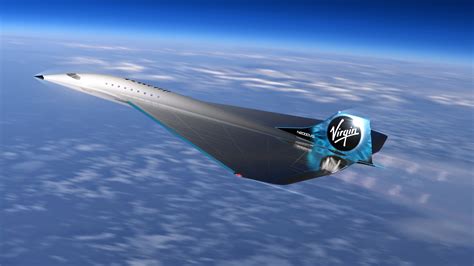
In 2020, Virgin Galactic announced a bold plan for a Mach 3 supersonic aircraft designed for 9–19 passengers. Developed in collaboration with Rolls-Royce, the aircraft would cruise above 60,000 feet, featuring a delta wing design optimized for high-speed stability and reduced drag.
Virgin Galactic emphasized that the project aligns with its broader vision of space and high-altitude travel, blurring the line between aviation and astronautics. While the project is still in the conceptual phase, its high-profile backers and emphasis on luxury, sustainability, and design make it a wildcard in the SSBJ race.
Technological Challenges and Environmental Realities
Despite renewed momentum, supersonic business jets face considerable technological and regulatory challenges. Chief among them:
- Sonic Boom Regulation: Supersonic flight over land remains prohibited in many jurisdictions.
- Fuel Efficiency: High-speed jets consume significantly more fuel, raising both cost and environmental concerns.
- Thermal Stress: Sustained speeds above Mach 1 cause heating that necessitates high-temperature materials.
- Noise Certification: Meeting current Stage 5 noise standards remains an engineering barrier.
However, the drive toward net-zero aviation is also spurring innovation in sustainable fuels (SAF), hybrid propulsion, and aerodynamic efficiency, potentially giving future SSBJs an environmental edge compared to legacy supersonic aircraft.
A Supersonic Future on the Horizon?
While no SSBJ currently flies passengers, the past decade has witnessed a resurgence of confidence, backed by private capital, aerospace partnerships, and public fascination. Whether driven by the prestige of arriving in half the time or the strategic necessity of rapid executive transport, demand for supersonic business jets is growing.
The coming years will be crucial. If Boom, Spike, or a legacy player like Gulfstream or Dassault can crack the code of quiet, efficient, and profitable supersonic travel, the SSBJ will redefine what it means to do business globally—at the speed of sound.