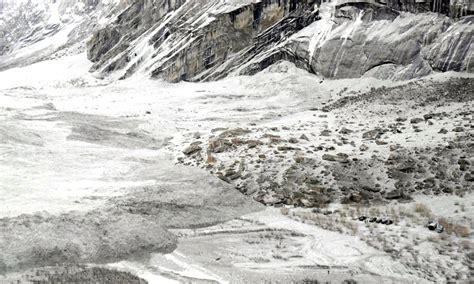
On June 21, 2025, a heartbreaking incident unfolded near a popular waterfall in the Naran region of Khyber Pakhtunkhwa province, northern Pakistan. A massive block of ice collapsed unexpectedly, claiming the lives of three tourists, including a 13-year-old boy. This tragic event has sent shockwaves through the local community and raised pressing concerns regarding the safety of tourists in the area. The collapse serves as a sobering reminder of the unpredictable dangers posed by unstable ice and snow formations, urging authorities to implement stronger safety measures and raise awareness among visitors.
As tourists flock to the scenic beauty of Naran, they often underestimate the risks associated with the region’s natural landscapes. The victims were enjoying the breathtaking views of the Naran valley when disaster struck. An enormous block of ice, precariously perched above the waterfall, gave way without warning. The sudden collapse left the victims trapped beneath the heavy ice debris, leading to a tragic sequence of events that ended their lives in an instant.
The rescue operation commenced swiftly following the emergency alert. Equipped with necessary tools and expertise, the rescue teams faced significant challenges due to the remote and rugged terrain. Despite these obstacles, they worked tirelessly to recover the bodies of the victims. After several hours of arduous efforts, the rescue officials confirmed that all three individuals died on the spot due to suffocation caused by the weight of the ice trapping them. The news of their untimely deaths has plunged their families into deep mourning and left the local community grappling with shock and sorrow.
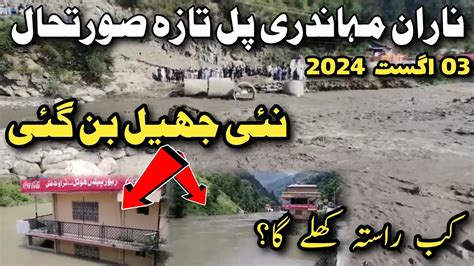
The inherent dangers of outdoor tourism in areas with unstable ice and snow conditions have come to the forefront following this incident. Naran and its surrounding regions are known for their stunning landscapes, attracting thousands of visitors each year. However, as this tragedy illustrates, these picturesque locations can also be perilous for those venturing too close to unstable formations without proper caution or awareness.
Experts in mountain safety emphasize that ice formations can be highly unpredictable. While they may appear solid from a distance, various factors—such as rapid temperature changes, environmental shifts, or even slight wind movements—can lead to unexpected collapses. Areas near waterfalls, where ice sheets are constantly influenced by the flowing water below, are particularly susceptible to such hazards. This tragic event serves as a stark reminder of the risks associated with exploring nature’s beauty without adequate preparation and understanding.
In response to the devastating incident, local authorities in Khyber Pakhtunkhwa have issued public statements urging tourists to exercise caution and avoid high-risk areas with unstable snow and ice. These warnings stress the importance of steering clear of seemingly safe paths that might actually be fraught with danger. While the quick response of rescue teams was commendable, experts suggest that more proactive measures could prevent similar tragedies in the future.
Enhanced safety protocols are essential to mitigate the risks associated with unstable ice formations. Improved signage around high-risk areas, coupled with educational campaigns aimed at informing tourists about the dangers of unstable ice, could significantly reduce the likelihood of accidents. Regular monitoring of potentially hazardous areas and the implementation of warning systems would further bolster safety measures. Some experts advocate for the installation of barriers in regions where the risk of ice collapse is elevated, providing tourists with necessary warnings or physical protection from dangerous conditions.
Moreover, authorities may need to consider restricting access to particularly treacherous areas during high-risk seasons, especially when weather conditions heighten the chances of ice shifts or collapses. Such measures could play a crucial role in safeguarding visitors and ensuring their enjoyment of the breathtaking scenery without jeopardizing their safety.
The incident in Naran is not an isolated occurrence. Around the globe, numerous reports highlight similar accidents in tourist destinations characterized by natural ice and snow formations. As global tourism continues to expand, particularly in regions renowned for their adventurous landscapes, it is imperative for authorities to prioritize safety standards. This commitment will ensure that tourists can explore these natural wonders without endangering their lives.
Pakistan’s government has made significant strides in promoting its tourism industry, attracting travelers from both local and international markets. Areas like Naran, Kaghan Valley, and other parts of Khyber Pakhtunkhwa are celebrated for their breathtaking vistas and adventure opportunities. However, incidents like the recent tragedy underscore the pressing need for heightened attention to safety in these high-risk regions.
The heartbreaking deaths of three tourists in Naran serve as a painful reminder of the potential dangers lurking in natural environments, particularly involving unstable ice and snow. As investigations into the incident continue, authorities in Pakistan are calling for a more proactive approach to tourist safety. This incident has sparked broader discussions about the necessity for stronger safety measures, increased awareness campaigns, and improved infrastructure in high-risk tourist locales.
For now, the families of the victims are left to grieve the loss of their loved ones, while the country reflects on the critical importance of respecting nature’s power and the need for responsible tourism. In light of this tragedy, it is hoped that future visitors will heed safety advice, contributing to a safer tourism environment for all.
In conclusion, the tragic ice collapse in Naran is a poignant reminder of the volatile nature of outdoor tourism in mountainous regions. With the right safety measures and greater awareness, it is possible to enjoy the beauty of these landscapes while minimizing risks. Authorities must act swiftly to implement the necessary changes, ensuring that such tragedies do not repeat in the future.