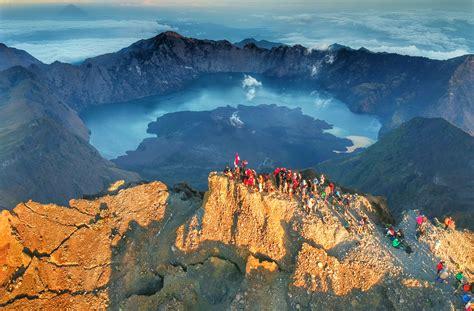
On June 21, 2025, the tragic accident involving a Brazilian trekker on Mount Rinjani, one of Indonesia’s most iconic trekking destinations, has raised alarming concerns regarding hiker safety measures throughout the country. The fatal incident, which resulted in the loss of 27-year-old JDSP, has not only shocked her friends and family but also sparked a significant discussion among tourists, tourism practitioners, and local authorities about the urgent need for improved safety protocols on trekking routes across Indonesia. Mount Rinjani, standing at 3,726 meters, has long been considered a bucket-list destination for adventurers, attracting thousands of trekkers each year despite its challenging conditions.
The chain of events leading to JDSP’s tragic fall illustrates the inherent risks associated with hiking in Indonesia’s mountainous regions. Trekking alongside a guide and a group of five friends, JDSP fell into a steep ravine during their ascent. Reports indicate that she landed approximately 150 meters from the cliff edge, complicating the rescue efforts. As she continued to slide down the ravine’s sandy and unstable terrain, the situation escalated, prompting immediate action from local authorities. Adverse weather conditions further hampered the operations, resulting in a race against time as rescue teams struggled to reach her.
A team of 50 individuals, including members from Barsarnas Lombok, the Mount Rinjani National Park Office, military personnel, local police, fire departments, disaster management agencies, and volunteers, were mobilized for the rescue operation. Despite their best efforts, the challenging weather and treacherous terrain presented significant obstacles, prolonging the search over several days. Brazilian authorities confirmed that JDSP was located on June 23 but tragically found unresponsive. By June 24, it was officially confirmed that she had passed away, leading to a postponement of the recovery operation due to unfavorable conditions. It wasn’t until June 25 that her body was finally evacuated from the site.
In the wake of this tragic event, condolences poured in from various sectors, including the Indonesian government, which expressed deep sympathy for JDSP’s family and friends. Satyawan Pudyatmoko, the Director General of the Indonesian Natural Resources and Ecosystem Conservation Agency, acknowledged the complexities involved in the rescue operation. He emphasized that despite the challenges presented by the weather and terrain, the authorities had executed the evacuation operation to the fullest extent possible. Pudyatmoko urged hikers to prioritize safety before embarking on such treks, highlighting the importance of proper preparation and equipment when tackling Indonesia’s challenging hikes.
JDSP’s unfortunate death has reignited a broader conversation about trekking safety in Indonesia, particularly concerning foreign tourists who may be less familiar with the dangers posed by the region’s volcanic mountains. This incident has drawn international attention, leading to inquiries about the preparedness of local rescue teams and the overall safety of hiking routes such as those found on Mount Rinjani and Bali’s Mount Agung. While these trails are immensely popular, they are notorious for their difficult and dangerous conditions, making it imperative for hikers to take essential precautions before setting out on their journeys.
Mount Rinjani, along with other prominent peaks like Mount Agung and Mount Batur, presents a plethora of physical and technical challenges for those unprepared. These mountains are not merely scenic attractions; they require substantial climbing skills and the right equipment to navigate safely. Steep ascents, rugged paths, and unpredictable weather can easily overwhelm inexperienced trekkers, underscoring the need for increased awareness and preparation.
In response to the growing concerns surrounding hiker safety, Indonesian officials are taking proactive steps to enhance safety measures across the country. Local authorities are focusing on improving infrastructure, providing better equipment for rescue operations, and ensuring that hikers are well-informed about the risks they may face. There is a strong emphasis on the necessity of hiring local guides, who are familiar with the terrain and can offer invaluable support to trekkers. Guided treks are now being recommended as a vital component of safety protocols for tourists attempting Indonesia’s more demanding routes.
Employing experienced local guides not only bolsters the local economy but also ensures that trekkers are accompanied by individuals who understand the challenges of the landscape. Guides typically come equipped with essential tools to handle emergency situations, making them an integral part of a safe hiking experience in the region. The call for enhanced safety measures and greater awareness among hikers is more critical than ever, especially following the tragic accident on Mount Rinjani.
The incident has undeniably impacted Indonesia’s tourism sector, particularly in Bali, where trekking and adventure tourism play a significant role in the local economy. The loss of a life serves as a stark reminder that exploring Indonesia’s volcanic regions necessitates more than just enthusiasm; it demands sufficient preparation, good health, and the right level of experience. Trekkers and adventure enthusiasts must exercise caution when traversing Indonesia’s rugged landscapes, as the thrill of exploration can quickly turn into a perilous situation without the right knowledge and resources.
While Indonesia’s trekking trails offer breathtaking experiences that are unforgettable, they should never be taken lightly. Proper training, thorough preparation, and the utilization of expert guides can significantly reduce the likelihood of tragedies like JDSP’s from occurring in the future. As tourists plan their adventures in Indonesia, it is crucial to remain aware of the perils that characterize these magnificent peaks. By taking appropriate precautions, travelers can continue to enjoy Indonesia’s stunning scenery while minimizing the risks associated with such demanding expeditions.
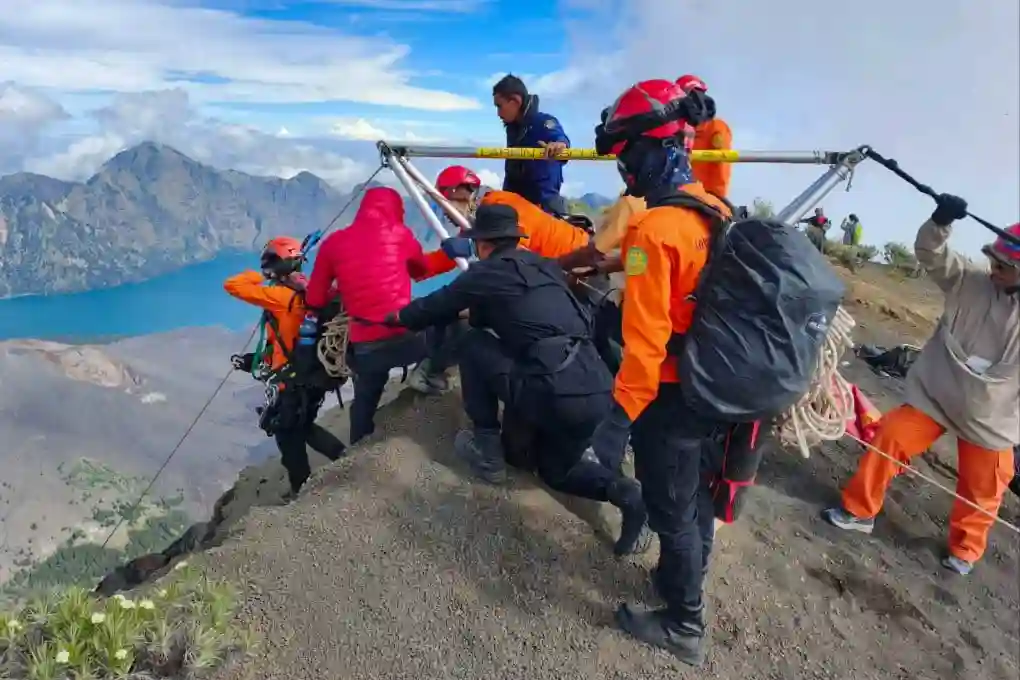
Ultimately, the tragic loss of JDSP serves as a profound wake-up call for all stakeholders involved in Indonesia’s tourism industry. Enhanced safety measures, combined with a commitment to education and awareness, will be pivotal in preventing future tragedies and ensuring that all hikers can safely enjoy the majestic beauty of Indonesia’s mountainous landscapes. As the nation moves forward, the lessons learned from this incident will hopefully lead to a safer and more responsible approach to trekking in Indonesia.