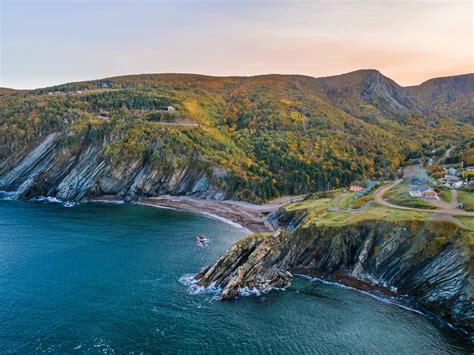
A hiking expedition in the remote wilderness of Cape Breton Highlands transformed into a high-stakes emergency operation on Sunday evening, when an injured hiker found themselves stranded on a challenging trail in Pollett’s Cove, a rugged and scenic area nestled north of Pleasant Bay, Nova Scotia. The operation, which unfolded against the backdrop of fading daylight and rough coastal conditions, highlights both the beauty and danger of backcountry exploration in Atlantic Canada.
The Call for Help: A Remote Trail Turns Treacherous
At approximately 6:30 p.m., the Joint Rescue Coordination Centre (JRCC) in Halifax received a distress call from a duo hiking the demanding Pollett’s Cove trail. One of the hikers had sustained an injury significant enough to prevent continued movement, effectively trapping them in an inaccessible location. Due to the rough waters and geographic isolation of the area, local emergency services—fire crews and Emergency Health Services (EHS)—were unable to reach the injured party via conventional means.
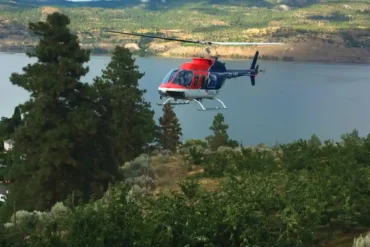
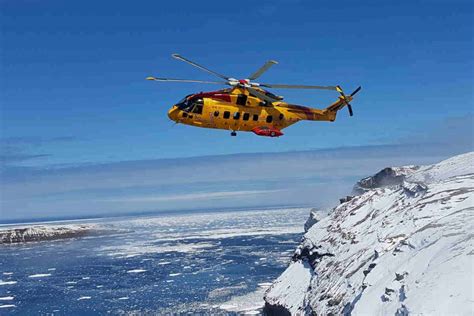
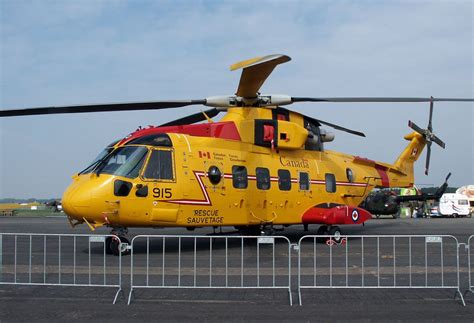
Maj. Trevor Ackland, the public affairs officer for JRCC, later confirmed that a CH-149 Cormorant helicopter was dispatched from Canadian Forces Base Greenwood to initiate the rescue. The Cormorant, an all-weather search and rescue (SAR) aircraft, is designed for long-range missions in challenging terrain, making it a vital asset for such high-risk operations.
The Cormorant Response: Precision and Speed in the Highlands
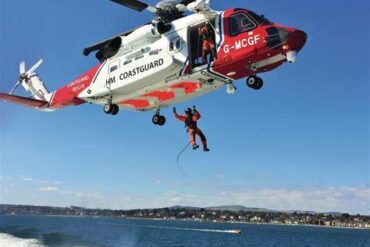
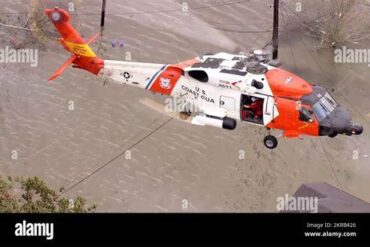
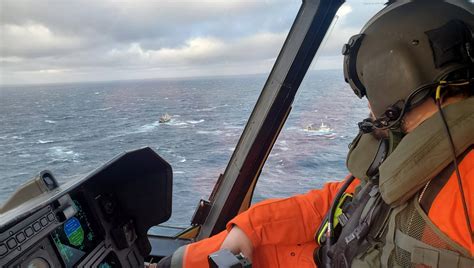
Within hours, the Royal Canadian Air Force SAR crew had navigated the mountainous and heavily forested terrain of the Cape Breton Highlands to locate the stranded hikers. The helicopter’s powerful spotlight scanned the cliffs and valleys until the pair was spotted. With no viable landing zone, the SAR technicians conducted a hoist extraction—a precise maneuver requiring immense coordination.
As the rotor wash whipped through the trees and the Cormorant hovered steadily overhead, a SAR tech was lowered to stabilize and assist the injured hiker. Once both individuals were safely secured, they were hoisted into the helicopter. The flight crew then transported them to Sydney Airport, where an awaiting EHS team transferred the injured individual to the nearest hospital for further medical care.

Pollett’s Cove: Beauty and Brutality in Equal Measure
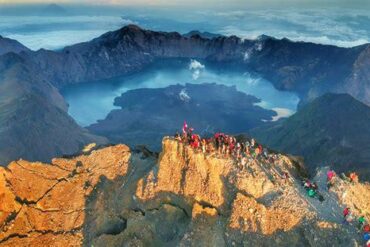
The Pollett’s Cove-Aspy Fault Wilderness Area is among the most visually striking landscapes in eastern Canada. Known for its sweeping ocean views, dramatic cliffs, and pristine valleys, the region draws seasoned hikers and backcountry enthusiasts from across the country. But with its beauty comes peril. The trail is isolated, unmarked in many sections, and subject to rapidly changing weather conditions that can turn benign treks into dangerous ordeals.
Inexperienced hikers or those unprepared for the wilderness can quickly find themselves in trouble. The terrain demands navigation skills, endurance, and emergency planning, especially in areas beyond the jurisdiction of Cape Breton Highlands National Park where rescue logistics become more complex. According to Maj. Ackland, even experienced outdoor adventurers should approach the area with caution.
Inside the Cormorant: Canada’s Search and Rescue Workhorse
The CH-149 Cormorant, built by Leonardo (formerly AgustaWestland), is Canada’s premier long-range SAR platform. It is specifically designed to operate in harsh weather and topographically challenging environments—a perfect fit for Nova Scotia’s rugged coastal mountains.
Equipped with:
- Twin hoists for multiple casualty extraction
- Advanced avionics and FLIR (Forward Looking Infrared) for night and low-visibility operations
- Large cabin space to accommodate medical treatment onboard
- Unmatched endurance capable of flying over 1,000 kilometers without refueling
The Cormorant’s ability to insert rescue teams directly into high-risk zones—without the need for a flat landing site—makes it an indispensable tool for Canada’s Joint Rescue Coordination Centres, particularly in remote regions like Inverness County.
Unpredictable Challenges in Maritime Wilderness Rescues
This mission underscores the complexity of executing rescues in Nova Scotia’s backcountry. The region’s rugged coastline, volatile weather, and steep terrain routinely obstruct conventional land-based rescues. In this instance, rising tides and rough surf cut off any hope of waterborne extraction, leaving only air rescue as a viable option.
Coordination between provincial services and the Canadian Armed Forces is seamless yet urgent. Every second counts. The Cape Breton Highlands’ remoteness means communication delays and long response times if air assets aren’t immediately available. As such, early calls for help, proper trip planning, and emergency beacon usage are crucial to survival.
Hiking Hazards: Lessons for Future Explorers
While the exact injury sustained by the hiker remains undisclosed, the rescue has reignited local conversations about wilderness safety. Authorities stress that even skilled hikers should take full precautions before venturing into the Pollett’s Cove-Aspy Fault region.
Precautionary measures include:
- Registering your route with local authorities or family
- Carrying GPS devices and satellite communicators
- Packing emergency gear, including first-aid kits, thermal blankets, and high-calorie rations
- Understanding weather patterns and having contingency plans for sudden changes
It’s also vital to avoid solo treks and to remain informed about the terrain’s demands. This section of Cape Breton features deep ravines, fast-moving rivers, and rocky escarpments—all of which can become deadly with just one misstep.
The Role of the JRCC and Canadian Forces Base Greenwood
The Joint Rescue Coordination Centre in Halifax oversees maritime and aeronautical rescues across a vast swath of Eastern Canada, covering more than 1.8 million square kilometers of land and sea. Staffed 24/7 by personnel from the Royal Canadian Air Force and the Canadian Coast Guard, the JRCC triages calls and deploys aircraft, vessels, and coordination assets as needed.
CFB Greenwood, located in Nova Scotia’s Annapolis Valley, is home to 413 Transport and Rescue Squadron, which operates the CH-149 Cormorants. The base has repeatedly proven to be a lifeline for remote incidents, and its crews have trained extensively for hoist extractions, high-angle rescues, and rapid deployments across the Maritimes.
Cape Breton’s Dual Identity: Sanctuary and Survival Test
Cape Breton remains a cultural and ecological jewel, but it is also a land of extremes. In places like Pollett’s Cove, civilization gives way to raw nature—and that transition demands respect. This recent rescue is not an anomaly but part of a growing pattern as adventure tourism and remote hiking gain popularity.
While breathtaking views and serene trails define the promotional images, the reality can be unforgiving. One sprained ankle or navigational error can rapidly become a matter of life and death. The timely deployment of the Cormorant helicopter, the professionalism of the SAR team, and the seamless coordination among agencies prevented what could have become a tragedy.
A Grateful Reminder and a Cautionary Tale
As of this writing, there has been no official update on the hiker’s condition. However, the operation stands as a potent reminder of both the dangers of underestimating nature and the critical role of Canada’s military SAR infrastructure. In communities across the Maritimes, stories like this fuel appreciation for the men and women who respond in moments of crisis.
For hikers, the message is clear: know the land, respect the risk, and plan for the worst—even while hoping for the best. Cape Breton will always be a place of wonder, but it is also a place that commands preparation, vigilance, and humility.