The U.S. embassy in Jerusalem has officially lifted travel restrictions for American government employees and their families, marking a significant shift in policy amid ongoing geopolitical tensions. This decision, announced on July 1, 2025, comes as a result of enhanced security measures in Israel, reflecting the embassy’s ongoing assessment of the regional security landscape. The announcement was made via the embassy’s official social media channels, signaling a cautious yet positive outlook on the current security situation in the region.
In recent months, the embassy has been meticulously monitoring the evolving dynamics of the Middle East, particularly in light of the Israel-Iran ceasefire and the continued hostilities between Israel and Hamas in Gaza. This careful observation has allowed the embassy to gauge the overall stability of the area and determine that conditions have improved sufficiently to warrant a relaxation of travel protocols for its staff. The decision underscores a nuanced approach to diplomacy, balancing the need for safety with the imperative of maintaining diplomatic functions in a complex environment.
The lifting of these travel restrictions is indicative of a broader trend towards regional stabilization, even amidst persistent conflicts. The embassy recognizes the precarious nature of the ongoing Israel-Hamas conflict, yet it also acknowledges the de-escalation of tensions resulting from the ceasefire between Israel and Iran. This ceasefire has been pivotal in shifting the security dynamics, and the embassy’s decision reflects a calculated response to these developments, demonstrating flexibility and responsiveness in its diplomatic strategy.
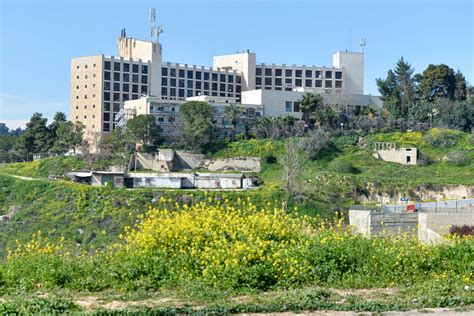
The embassy’s commitment to the safety and well-being of its personnel has always been a top priority. The recent adjustments in travel policy are not taken lightly; they are grounded in comprehensive risk assessments and a thorough analysis of the regional security landscape. The embassy has consistently emphasized that any changes to travel protocols will be based on a rigorous evaluation of potential risks, ensuring that the safety of American government employees remains paramount.
As the embassy navigates the complexities of Middle Eastern geopolitics, it remains vigilant in monitoring the situation. The easing of travel restrictions is not merely a reaction to the current conditions but rather a strategic maneuver that acknowledges the interconnectedness of security and diplomacy. With ongoing tensions persisting in Gaza, the embassy’s decision to relax travel protocols reflects a moment of cautious optimism rather than an outright resolution of regional conflicts.
The embassy’s proactive approach to security has enabled it to act decisively when conditions allow. By continuously assessing the fluctuating security situation, the embassy has demonstrated its capability to adapt its policies in alignment with the changing dynamics of the region. This adaptability is crucial for ensuring that American diplomats can fulfill their responsibilities effectively while prioritizing their safety.
The recent announcement regarding travel restrictions is emblematic of the embassy’s broader strategy, which seeks to balance diplomatic engagement with the necessity of addressing security concerns. It serves as a reminder of the delicate equilibrium that must be maintained in a region characterized by volatility and uncertainty.
While there are still significant challenges posed by the Israel-Hamas conflict, the embassy recognizes that the relative calm resulting from the Israel-Iran ceasefire represents a critical opportunity for adjusting its travel restrictions. This policy change is accompanied by an understanding that any relaxation of restrictions comes with a commitment to continued vigilance and readiness to respond to any shifts in the security landscape.
In this context, the embassy’s decision illustrates a forward-thinking mindset, one that embraces the realities of the present while remaining acutely aware of the potential for future developments. The U.S. embassy in Jerusalem plays a crucial role in navigating the intricate web of regional dynamics, and its ability to adapt to changing circumstances will remain a cornerstone of its diplomatic strategy moving forward.
Ultimately, the easing of travel restrictions for government employees signifies a statement of confidence in the improving security outlook in the region. It reflects the embassy’s ongoing efforts to ensure the safety of its personnel while fostering constructive diplomatic relations in an area marked by complex and dynamic security challenges. As the U.S. continues to engage with its allies and partners in the Middle East, the embassy’s actions will undoubtedly shape the trajectory of American diplomacy in this critical part of the world.