GoJet Airlines is making an aggressive move to strengthen its pilot workforce with a new recruitment campaign offering up to $200,000 in incentives for qualified Direct Entry Captains. The regional carrier’s latest initiative arrives at a critical moment for the US aviation industry, where airlines continue competing for experienced cockpit talent as fleet expansion and pilot retirements tighten labor availability.
The St. Louis-based airline confirmed that eligible pilots can receive a $175,000 sign-on bonus, alongside an additional $25,000 incentive for candidates already holding a Part 121 type rating. The company stated that the entire bonus package can be paid within the first year of employment and notably comes without contractual obligations, a rare feature in regional airline recruitment programs.
GoJet’s announcement highlights how regional carriers are increasingly reshaping compensation strategies to remain competitive against major airlines and cargo operators that continue attracting experienced aviators with higher pay and long-term career security.
The airline’s leadership framed the initiative as part of a broader growth strategy tied to fleet expansion and accelerated pilot advancement opportunities.
GoJet Airlines Targets Experienced Pilots With Industry-Leading Bonuses
President and CEO Rick Leach described the recruitment package as a reflection of the airline’s long-term confidence and operational momentum. According to Leach, GoJet is positioning itself as one of the fastest-growing regional airlines in the United States, with contracted growth expected to continue over the coming years.
The company emphasized that pilots joining now may benefit from unusually fast seniority progression, an important factor in the airline industry where seniority determines scheduling flexibility, aircraft assignments, and income potential. With many regional airlines still rebuilding pilot rosters following pandemic-era disruptions and accelerated retirements, recruitment competition has intensified dramatically.
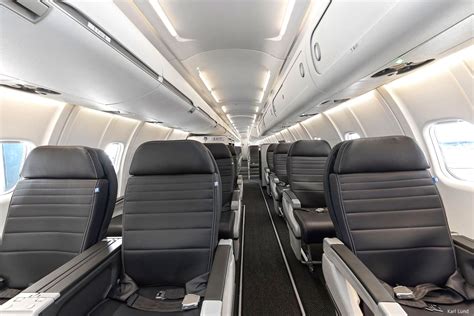
GoJet also pointed to its operation of the Bombardier CRJ-550, a premium-focused regional aircraft designed to offer passengers enhanced comfort while giving pilots access to modern regional jet operations. The aircraft has become a defining element of GoJet’s branding strategy and recruitment messaging.
Leach stated that the aviation industry is undergoing a significant transition as experienced pilots become increasingly difficult to recruit and retain. He noted that airlines capable of offering immediate advancement and financial incentives are gaining an advantage in a rapidly evolving labor market.
Direct Pathway to United Airlines Strengthens Recruitment Appeal
One of the strongest components of GoJet’s recruitment strategy is its connection to United Airlines through the Aviate program. The airline says Direct Entry Captains may gain a pathway to United’s mainline flight deck in as little as two years, creating a compelling progression route for pilots seeking long-term career advancement.
The Aviate program has become a major selling point for regional partners connected to United Airlines, especially as pilots increasingly prioritize stability and clear transition opportunities into major carriers. For many aviators, the ability to move from a regional cockpit to a global airline significantly improves lifetime earnings and career mobility.
Industry analysts note that pathways to major airlines now carry nearly as much value as salary incentives themselves. Pilots entering regional airlines are no longer solely evaluating immediate compensation; they are also assessing upgrade times, aircraft quality, and future placement opportunities.
GoJet appears to be leveraging all three factors simultaneously. The airline’s rapid growth projections, combined with premium regional operations and a direct United Airlines connection, create a recruitment package designed to stand out in an increasingly crowded hiring market.
Pilot Shortage Continues Reshaping Regional Airline Operations
The broader US airline sector remains under pressure from a persistent pilot shortage that has forced carriers to adjust schedules, reduce regional connectivity, and expand compensation packages. Regional airlines have faced the greatest strain because they traditionally serve as the first major career step for commercial pilots building turbine experience.
Many carriers are now offering retention bonuses, tuition assistance, and accelerated command upgrades to secure qualified crews. GoJet’s latest initiative represents one of the most substantial recruitment offers currently available within the regional airline sector.
Leach suggested the timing is especially important, warning that such incentive opportunities may become less common as market conditions evolve. His message underscored a growing reality across aviation: airlines capable of attracting skilled pilots today are likely to secure a competitive operational advantage for years ahead.