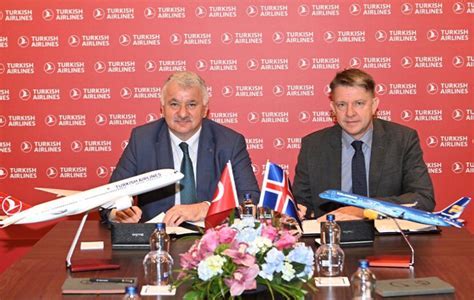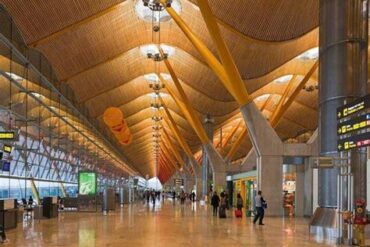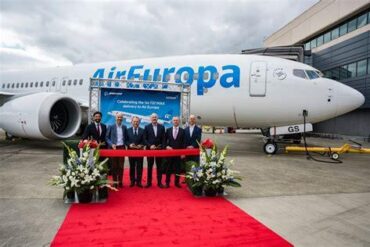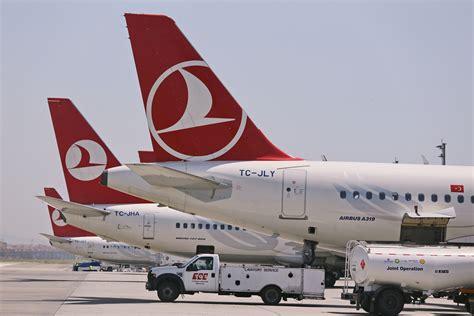
Amid rising geopolitical shifts and intensifying competition in Europe’s aviation market, Turkish Airlines has positioned itself at the center of a high-stakes acquisition race. The carrier is reportedly preparing a bid for a minority stake in Air Europa, as binding offers are due in early July. This potential move underscores Turkish Airlines’ strategic ambition to fortify its footprint within the European Union via Madrid’s Adolfo Suárez Madrid–Barajas Airport (MAD), a critical hub for transatlantic and intra-European traffic.
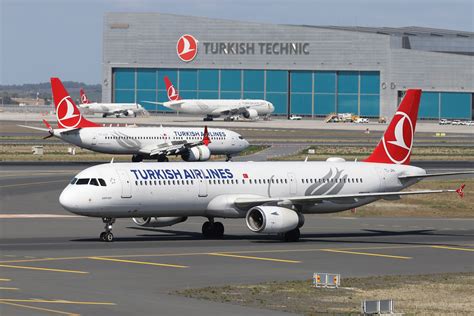
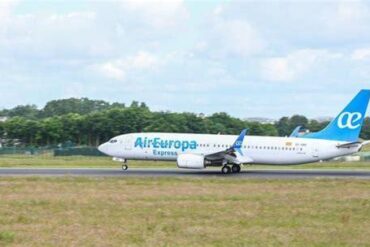
The Spanish airline Air Europa, owned by the Globalia group and controlled by the Hidalgo family, is currently under considerable financial strain. The carrier has been actively seeking investment partners to stabilize its balance sheet and reduce the burden of state-backed pandemic loans. This effort has sparked a competitive bidding process, attracting attention from major European aviation players such as Lufthansa and Air France-KLM. The reported interest by Turkish Airlines marks a unique development, highlighting one of the rare cases of a non-EU carrier pursuing ownership in a European airline amidst increasingly strict regulatory climates.
Turkish Airlines’ Calculated Entry into Southern Europe
For Turkish Airlines, a minority stake—estimated at around 20%—offers strategic value without exposing the company to the full regulatory and operational complexities of outright ownership. The move aligns with the airline’s broader international growth strategy, especially in Southern Europe where passenger demand has rebounded robustly post-pandemic, fueled by booming tourism and increasing air connectivity.
A codeshare agreement already exists between Turkish Airlines and Air Europa, facilitating smoother passenger transfers across their respective networks. This relationship provides a stable foundation for deeper cooperation, potentially allowing Turkish Airlines to influence operational strategies, fleet planning, and route optimization, all without the burden of full acquisition risks.
Furthermore, access to Air Europa’s established transatlantic routes, particularly to Latin America, offers Turkish Airlines a powerful extension into underserved or indirect markets. Through a stake in UX, Turkish Airlines could gain entry into competitive European-Latin American corridors, enhancing its global network resilience.
High-Stakes Bidding Against European Heavyweights
Air France-KLM and Lufthansa are also eyeing the same prize, and their interest is not merely speculative. Both groups are reportedly engaged in due diligence and financial consultations, structuring offers that could see them gain significant long-term influence over Air Europa’s future operations. While Turkish Airlines may not have the geographic advantage of being within the EU, it brings to the table strong financial backing and a state-supported ownership structure via the Türkiye Wealth Fund (TWF), which has increasingly played a more assertive role in national infrastructure and transportation investments.
From a geopolitical lens, Turkish Airlines’ pursuit is not simply a commercial move; it represents Türkiye’s broader economic interest in expanding influence westward through strategic infrastructure stakes. This fits a larger pattern seen in Turkish investment behavior over the past decade.
Madrid as a Gateway for Turkish Expansion
Madrid’s Barajas Airport is more than a central hub; it’s a strategic springboard into both Western Europe and Latin America. Air Europa’s position as the second-largest carrier in Spain gives it extensive connectivity across key European capitals, as well as strong long-haul capacity to cities like Buenos Aires, São Paulo, and Lima.
Turkish Airlines, already dominant in Istanbul, seeks to use Madrid as a secondary continental anchor, allowing it to compete more effectively with Middle Eastern giants like Emirates and Qatar Airways, who leverage powerful hubs in Dubai and Doha. A Madrid base would give Turkish Airlines increased flexibility and routing options, particularly for long-haul operations.
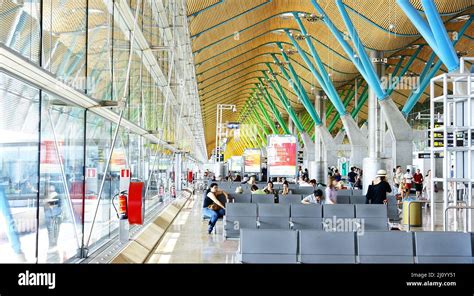
Such a move could also help the airline hedge against infrastructure constraints at Istanbul Airport, which, despite its scale, faces congestion and regulatory limits tied to airspace conflicts and regional instability.
Regulatory Roadblocks and the Legacy of the IAG Collapse
Any stake acquisition in Air Europa will be closely monitored by European regulators. A full acquisition bid by International Airlines Group (IAG), parent of Iberia and British Airways, collapsed after facing stiff opposition from the European Commission, citing competition risks. That experience has reshaped the way airlines approach such deals.
Rather than outright purchases, strategic minority stakes have become more popular, allowing acquirers to influence without dominating. For Turkish Airlines, the move avoids triggering the complex legal scrutiny that comes with a controlling interest while still laying the groundwork for deeper involvement over time.
The sensitive sale process currently underway is complicated by the requirement for Air Europa to repay pandemic-era loans issued by the Spanish government. The delay in binding offers, originally scheduled for May, was attributed to internal disagreements within Globalia and investor hesitations over valuation metrics.
The European Market’s Fragmentation and Consolidation Pressure
European aviation remains highly fragmented, with national carriers competing in overlapping markets and LCCs (Low-Cost Carriers) exerting pressure on pricing. This has created a paradox: while European airlines boast some of the world’s most recognizable brands, they often lack the scale and efficiency of U.S. or Gulf carriers.
Stake sales like that of Air Europa are increasingly viewed as stepping stones toward larger consolidation. A minority investment today may become a controlling interest tomorrow, should regulations loosen or political winds shift. Turkish Airlines’ presence in this mix signals a long-game approach, hedging its bets while securing valuable market access.
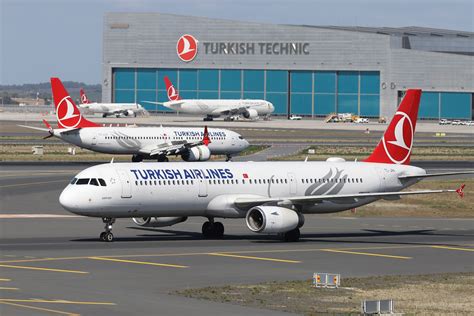
As Europe seeks to remain competitive, such alliances could eventually transform the aviation map, reshaping old boundaries and breaking traditional regional limitations.
Globalia’s Urgency and Air Europa’s Recovery Path
Globalia, the Spanish travel conglomerate behind Air Europa, is under intensifying financial pressure. The pandemic struck at the core of its aviation and tourism divisions, forcing it to accept emergency loans from the Spanish state worth hundreds of millions of euros. The company must now navigate a precarious balance—attracting investors without relinquishing control, and restructuring while maintaining operational continuity.
This tension has made Air Europa’s equity sale both urgent and sensitive. Failure to attract a buyer could jeopardize its recovery and potentially result in state intervention or asset divestitures. Turkish Airlines, with its strong financial metrics, global reach, and diplomatic leverage, presents itself as a viable partner capable of accelerating Air Europa’s return to stability.
Silent Negotiations and Market Implications
Notably, Turkish Airlines, Lufthansa, and Globalia have all refrained from official commentary, a reflection of the fragile and highly negotiated nature of the proceedings. Meanwhile, Air France-KLM remains the only party publicly reaffirming its interest, which may be a strategic move to pressure competitors or influence final valuations.
The eventual winner of this bid—be it Turkish Airlines or one of its European counterparts—will gain not only access to a key strategic asset in Air Europa, but also a broader geopolitical advantage in the next phase of global airline consolidation. As airlines reassess their post-COVID strategies and adjust to new market realities, the Madrid hub stands out as a critical linchpin in future aviation dynamics.
Conclusion: A Strategic Gambit with Continental Reach
In bidding for a stake in Air Europa, Turkish Airlines is not just investing in another airline—it is positioning itself at the crossroads of European, Latin American, and transatlantic aviation. The timing, structure, and scope of its offer reflect a sophisticated strategic calculus, designed to enhance its global standing while minimizing regulatory risk.
Whether Turkish Airlines ultimately wins the bid or not, its involvement signals a tectonic shift in European aviation geopolitics, with ripple effects likely to be felt across the industry for years to come.