In the evolving landscape of air travel, SeatBoost stands out as a compelling fusion of dynamic pricing, gamified bidding, and instant gratification. Positioned as a third-party bidding platform for seat upgrades, it allows passengers to vie for premium class upgrades—often at a fraction of retail prices. While its partnerships are currently limited to TAP Air Portugal and Condor, the platform’s rapid growth and cult following among savvy flyers reveal a broader shift in how passengers perceive value, comfort, and opportunity in the skies.
What Is SeatBoost and How It Works
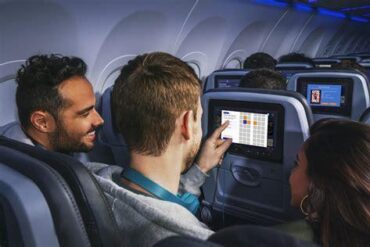
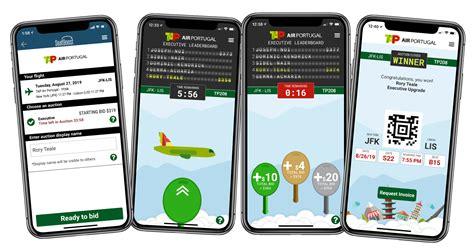
SeatBoost operates on a live auction model where passengers can place last-minute bids for available premium seats. These bids typically open within 24 hours of departure, with results revealed approximately one hour before takeoff. If an upgrade is awarded, the winning passenger is notified through the app, and their boarding pass is updated automatically.
The key features of the SeatBoost platform include:
- Real-time bidding interface available via mobile app
- Dynamic pricing based on availability and competition
- Short auction window, typically closing 60 minutes prior to departure
- Seamless integration with boarding systems of participating airlines
This late-notice model creates both excitement and unpredictability, as travelers do not know until the eleventh hour whether they will be sipping champagne in business class or squeezing into coach.
Airlines Currently Using SeatBoost
While the potential for global airline adoption exists, SeatBoost’s services are currently limited to a small but growing list of partner airlines. As of now, two notable carriers support the platform:
TAP Air Portugal
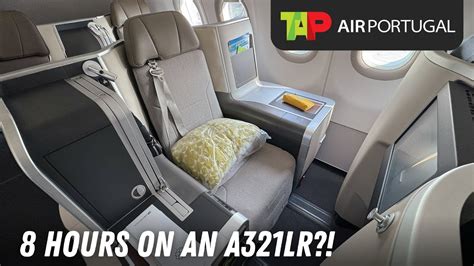
TAP has become one of the more prominent use cases for SeatBoost. Passengers flying transatlantic routes have reported bidding successfully for upgrades from economy or premium economy to business class, sometimes with minimal competition.
For instance, one traveler bid $685, the minimum amount, and secured a business class seat because no other passengers entered the auction. Another won a premium economy upgrade for just $49 USD, a steep discount from standard rates charged at the gate.
Condor Airlines
Similarly, Condor passengers have experienced successful upgrades, especially on flights between Germany and the United States. One user upgraded to business class for $451 on a last-minute ticket originally priced at around $900—a substantial value given Condor’s competitive transatlantic fares.
Traveler Experiences and Insights from Reddit
A deep dive into Reddit’s aviation community (r/Flights) reveals a mixed yet revealing mosaic of user testimonials, showcasing both the highs and lows of bidding with SeatBoost.
Positive Reports
Many users praise the platform for making luxury travel accessible without paying full price. The last-minute suspense is often framed as part of the thrill:
“We actually enjoyed the bidding process and the uncertainty of not knowing until an hour before departure. If we lost, no big deal—just back to economy. But winning felt like a real bonus.”
Another user noted:
“I was the only bidder on my TAP flight and got a business upgrade for the minimum bid. Cabin had 15 open seats. It cleared exactly an hour before departure.”
Common Concerns
Despite success stories, some travelers have encountered frustrating or ambiguous outcomes. Chief among them are:
- No upgrades awarded despite empty cabins
- No refunds for ancillary services (e.g., extra legroom seats) after an upgrade
- Unclear outcomes when third parties are involved
One user paid more than double the minimum bid—while being the only bidder—and still wasn’t awarded the upgrade. Others have noted poor coordination between SeatBoost and airlines in handling issues like involuntary downgrade or flight cancellations.
“We were seated in business after winning the bid, but a last-minute medical emergency led to a downgrade. Since it was via SeatBoost, it’s been a nightmare trying to get a refund.”
These cases underscore the need for transparency, especially as third-party systems interface with tightly regulated airline processes.
The Economics of Airline Upgrades via SeatBoost
SeatBoost fills a niche that benefits all parties—airlines, passengers, and the platform itself:
- Airlines monetize unsold premium seats they otherwise give away or leave empty.
- Passengers access luxury cabins at a significant discount without upfront cost.
- SeatBoost earns revenue through commissions or partnerships, with minimal infrastructure.
This model aligns perfectly with modern consumer behavior, especially among travelers who prioritize experience over rigidity. The “gamification” of upgrades turns a typically expensive decision into an affordable, adrenaline-fueled event.
Best Practices: How to Win with SeatBoost
While much of the SeatBoost experience hinges on luck and timing, experienced users have identified key strategies to improve success odds:
- Bid late, but not too late: The sweet spot is often within 1–3 hours of departure. Early bidding may inflate prices due to visibility.
- Minimum bids can win: If you’re the only bidder, the lowest possible bid often secures the upgrade.
- Check seat maps beforehand: If business or premium cabins are mostly empty, your chances improve.
- Pair bookings can work: Couples or joint tickets may win together, as multiple travelers have reported upgrading as a pair.
- Always use a credit card: This ensures recourse if something goes wrong, such as non-refunded ancillary charges.
SeatBoost’s Limitations and Areas for Improvement
Despite its advantages, SeatBoost’s current implementation has notable gaps that could impact user satisfaction or limit wider adoption:
- Short bidding window restricts access to amenities like lounges, especially when upgrades are confirmed only 60 minutes prior to departure.
- Opaque algorithms leave users confused about why higher bids sometimes lose.
- Inconsistent airline coordination can lead to disputes, especially when operational changes override upgrade assignments.
One passenger suggested:
“They should close the bidding at least 3 hours before takeoff. If I’m paying to upgrade, I want lounge access, earlier boarding, and the full business class experience—not just a better seat.”
Future Outlook: Can SeatBoost Scale?
The success of SeatBoost hinges on widening airline partnerships, improving system integration, and enhancing user trust. Airlines with large fleets and transcontinental routes stand to gain the most from dynamic last-minute upgrades. However, platform reliability and clarity must evolve to meet premium traveler expectations.
If SeatBoost addresses its weaknesses—especially upgrade predictability, bid transparency, and post-purchase refund handling—it could become a core component of future airline ancillary revenue models. As premium travel becomes increasingly commoditized, offering dynamic upgrade access might be the edge legacy carriers need to differentiate.
In an era where loyalty programs are devalued, and elite tiers are harder to reach, SeatBoost presents a new democratized path to comfort at 30,000 feet. For travelers willing to play the game, the rewards can be rich—and often, surprisingly affordable.