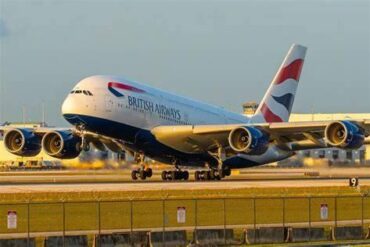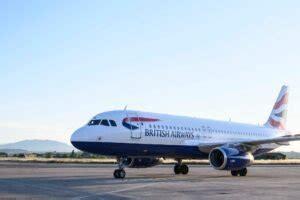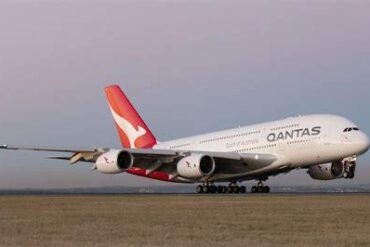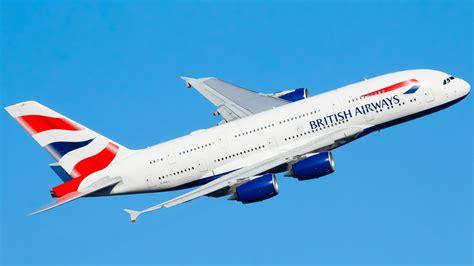
British Airways has made a decisive and highly strategic adjustment to one of its most prominent long-haul routes, removing the Airbus A380 from its London Heathrow–Los Angeles service for the winter 2026/2027 season. This marks a rare break from more than a decade of consistent deployment, signaling a deeper transformation in fleet strategy, premium positioning, and market optimization.
For years, the double-decker superjumbo has been a flagship presence on this transatlantic corridor, offering high capacity and brand prestige. Its absence is not merely a scheduling tweak—it reflects a calculated shift toward efficiency, yield optimization, and product consistency.
Why British Airways Is Dropping the A380 on Los Angeles Flights
The removal of the A380 from Los Angeles is closely tied to fleet modernization and cabin upgrades. British Airways is in the process of retrofitting its A380 fleet, transitioning from older, less competitive interiors to a more premium-heavy configuration. The redesigned aircraft will feature 421 seats instead of 469, emphasizing higher-yield cabins over sheer volume.
This transition creates a temporary shortage of available A380 aircraft, forcing the airline to prioritize routes where the aircraft delivers maximum strategic value. Los Angeles, despite its size, is now being served differently.
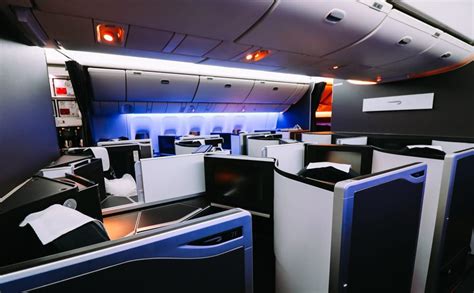
Replacing the A380 is the Boeing 777-300ER, equipped with Club Suites, British Airways’ latest business-class product. This shift significantly enhances the passenger experience in premium cabins, even as total seat capacity declines.
Capacity Cuts Signal a Shift Toward Higher Yields
The move results in a substantial 22% reduction in daily seat capacity on the Heathrow–Los Angeles route. Previously, three daily A380 flights offered a combined 1,962 round-trip seats per day. With the transition to the 777-300ER, that number drops to 1,536 seats.
At first glance, cutting capacity on such a high-demand route may seem counterintuitive. In reality, it reflects a classic airline strategy: reduce supply to strengthen pricing power.
Lower seat availability typically leads to:
- Higher average fares, particularly in premium cabins
- Improved load factors, ensuring fuller flights
- Stronger yield per passenger, boosting profitability
This approach is especially effective on routes like Los Angeles, where demand remains robust but fluctuates seasonally.
A Historic Route Sees a Rare Break in A380 Service
Since September 2013, British Airways has consistently operated the A380 on the Los Angeles route during winter seasons, with only brief interruptions during the COVID-19 pandemic. The upcoming winter will mark the first full seasonal absence of the aircraft under normal market conditions.
The final A380 departure from Heathrow is scheduled for October 24, 2026, aligning with the end of the IATA summer season. From the following day, the route becomes an all-777-300ER operation, maintaining three daily frequencies but with a distinctly different onboard experience.
Network-Wide A380 Reduction Reflects Broader Strategy
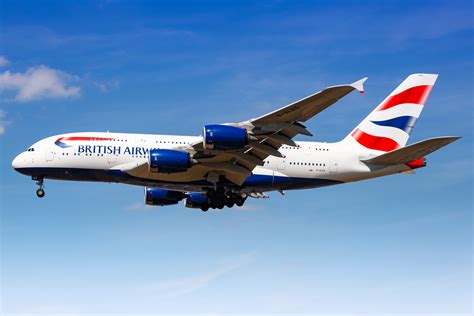
The Los Angeles adjustment is not an isolated decision. British Airways is planning a 27% reduction in A380 operations across its network for winter 2026/2027, with only 770 departures scheduled from Heathrow.
Several key changes illustrate this broader shift:
- The Washington Dulles route has already lost A380 service
- Johannesburg frequency has been reduced to once daily
- The aircraft has been fully removed from Los Angeles
The remaining A380 routes—Dubai, Miami, San Francisco, and Johannesburg—have been carefully selected based on demand patterns, slot constraints, and premium traffic potential.
This consolidation suggests that British Airways is redefining the A380’s role, using it selectively rather than as a high-capacity default.
Competitive Dynamics on the Heathrow–Los Angeles Corridor
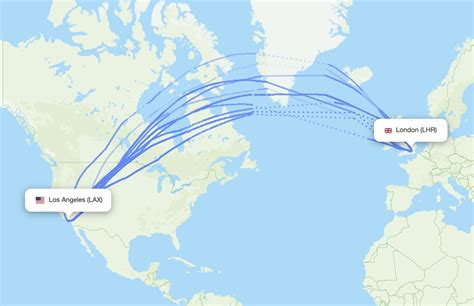
The Heathrow–Los Angeles route is one of the most competitive long-haul markets in the world, with nearly 1.5 million annual round-trip passengers. British Airways leads the market, carrying 574,000 passengers, and nearly 60% market share when combined with partner American Airlines.
Despite this dominance, competition remains intense, particularly from U.S. carriers. Interestingly, some competitors—such as United Airlines—have recorded relatively low load factors on the route, suggesting inefficiencies that BA may be aiming to exploit.
By reducing capacity while upgrading product quality, British Airways positions itself to:
- Capture higher-value passengers
- Improve brand perception in premium cabins
- Maintain market leadership with stronger margins
Load Factors and Seasonal Demand Drive the Decision
Data from 2025 reveals that British Airways achieved an impressive 84.8% load factor on Los Angeles flights, outperforming the market average of 78.4%. However, demand varied significantly by month.
- September peaked at 90.7%, reflecting strong late-summer demand
- February dropped to 74.9%, highlighting winter softness
This variability makes the case for capacity discipline during off-peak periods. By operating smaller aircraft with better cabins, British Airways can align supply more precisely with demand, avoiding the inefficiencies of flying partially empty superjumbos.
A Premium-First Future for British Airways
The decision to remove the A380 from Los Angeles underscores a broader transformation within British Airways: a shift from volume-driven operations to premium-focused profitability.
Rather than relying on the sheer scale of the A380, the airline is betting on:
- Modern cabins with higher revenue potential
- Smaller, more flexible aircraft
- Strategic capacity management across seasons
When the retrofitted A380s return in greater numbers, they will likely be deployed with greater precision, targeting routes where their unique combination of capacity and premium density can deliver maximum returns.
For now, the message is clear: even the world’s largest passenger aircraft must adapt to a market that increasingly rewards efficiency, experience, and intelligent network planning.