Understanding How Many Hours Do Pilots Work
The aviation industry is governed by meticulous scheduling protocols and strict federal regulations, all designed to ensure flight safety, pilot well-being, and operational efficiency. When discussing how many hours pilots work, it’s essential to differentiate between actual flight time and the broader category of duty time, which includes a range of pre- and post-flight responsibilities.
While the average airline pilot flies approximately 75 hours per month, that figure only scratches the surface. In reality, pilots work around 225 hours monthly when factoring in flight preparation, weather briefings, coordination with ground staff, and post-flight checks.
The Two Worlds: Flight Hours vs. Work Hours
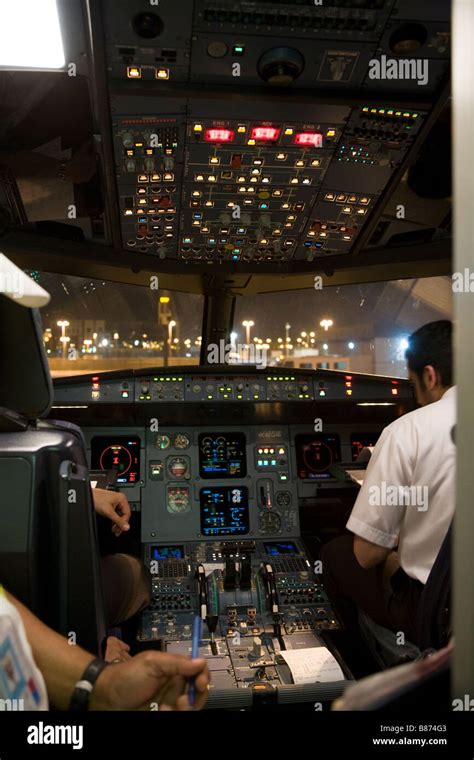
A pilot’s workday extends well beyond the cockpit. The time spent in the air is tightly regulated by the Federal Aviation Administration (FAA), but duties on the ground often consume twice as many hours.
For instance, flight crew may spend:
-
2–4 hours daily on flight planning and coordination.
-
1–2 hours post-flight debriefing and conducting safety checks.
This means while their logbooks reflect 75–100 flight hours monthly, their actual workload is significantly greater.
FAA Flight Time Limitations
The FAA’s time restrictions are in place to prevent pilot fatigue and ensure optimal performance. Regulations stipulate:
-
Daily Limit: Pilots may fly up to 8 hours in 24 hours (10 hours with a relief pilot).
-
Monthly Limit: A maximum of 100 flight hours in 30 days.
-
Yearly Limit: No more than 1,000 flight hours in any 12-month period.
Additionally, pilots are required to receive a minimum of 10 hours rest before their next duty and at least 30 consecutive hours off every 168 hours.

Influence of Pilot Type on Workload
The number of hours a pilot works varies depending on their license type, job function, and employer. Below is a detailed breakdown:
Commercial Pilots
Commercial pilots are responsible for aircraft safety, route management, and communication with Air Traffic Control (ATC). They fly:
-
85 flight hours/month
-
80 ground hours/month
Their median annual salary sits around $113,080, and they often fly regional or charter flights.
Flight Instructors
Flight instructors work dual roles—both in air and on the ground. Their workload includes hands-on flying and training via simulators or ground school. They average:
-
80–100 flight hours/month
-
100 hours of ground instruction/month
Though some online salary estimates place them at $137,000, more accurate compensation, based on flight hour pay, ranges closer to $37,000 annually.

Airline Transport Pilots (ATP)
These professionals operate scheduled passenger or cargo flights. Their schedule is heavily influenced by route length and aircraft type. On average, they fly:
- 75–100 hours/month, often clustered over multi-day trips
Many ATPs are away from home for up to 15 days at a time, especially on long-haul or overnight flights. Their median salary exceeds $219,000, reflecting the seniority and skill involved.

The Role of Seniority in Scheduling
Seniority profoundly affects a pilot’s schedule, route selection, base assignment, and vacation days. Pilots are ranked based on their hire date, and this hierarchy influences:
-
Preferred flight routes (international vs. regional)
-
Aircraft type (widebody vs. narrowbody)
-
Home base selection
-
Time off and monthly workload
A senior pilot can design a schedule that balances work-life needs better than a new hire, who may have to accept less desirable shifts and routes.
Flight Duration and Its Impact
Flight time limitations are also shaped by the length of each flight. Pilots flying different durations face distinct work-rest cycles:
-
Short-haul (30 min – 3 hours): Frequent takeoffs/landings, shorter rest cycles.
-
Mid-haul (3 – 6 hours): Moderate shift length, with turnaround duties.
-
Long-haul (6 – 12 hours): Fewer but longer trips, requiring extensive rest.
-
Ultra-long-haul (12+ hours): Involves additional crew and extended layovers.
Long-haul pilots may work fewer days but have longer duty periods. Conversely, short-haul pilots might be flying daily but for shorter legs.
Work-Life Balance and Time Off
Despite the demanding nature of aviation, most pilots enjoy a generous number of days off per month:
-
Junior pilots: 12–14 days off
-
Mid-seniority: 15–17 days off
-
Senior pilots: Up to 20 days off
These rest periods help mitigate fatigue and allow for personal time, especially critical given that some trips may require multiple days away from home.
Do Pilots Get to Choose Their Schedules?
Yes—to a degree. Pilots submit monthly schedule bids, indicating their preferences for routes, days off, and destinations. However, the actual schedule assigned is dependent on:
-
Airline needs
-
Crew availability
-
Pilot seniority ranking
This means a senior captain may select international routes with maximum days off, while a new hire may be scheduled for weekend red-eyes.
Outlook for Pilot Work Hours
The demand for pilots is expected to grow by 4% between 2022 and 2032, according to the U.S. Bureau of Labor Statistics, slightly above the national average. With the rise of global travel and fleet expansions, the total number of working hours may shift, but the overall structure of flight and ground duties will remain.

Conclusion: A Profession of Precision and Discipline
The question of how many hours do pilots work cannot be answered with a single number. Instead, it demands an understanding of FAA regulations, employer policies, seniority systems, and the unique rhythm of flight operations. While pilots may average 70–100 flight hours per month, the full scope of their commitment stretches much farther, enveloping hours of preparation, coordination, and recovery.
Their job is not merely to fly—it is to orchestrate complex procedures under precise standards, ensuring the safety and satisfaction of everyone on board. And though the hours are demanding, the rewards of schedule control, travel benefits, and high compensation make it a uniquely fulfilling career.
FAQ
What is a typical pilot schedule?
A professional pilot typically flies between 70 and 100 hours per month, paired with an equal or greater number of hours spent on ground-based duties like flight planning and aircraft inspection. Monthly schedules rotate and are affected by seniority.
Do pilots have free time?
Yes. Pilots enjoy between 12 to 20 days off per month, depending on seniority and flight type. Long-haul pilots may have more consecutive days off, while short-haul pilots often get to be home every evening.
Do pilots go home every night?
Not always. Flight instructors and short-haul commercial pilots typically return home daily. Airline transport pilots, especially those flying long-haul or international routes, may be away for up to two weeks at a time.