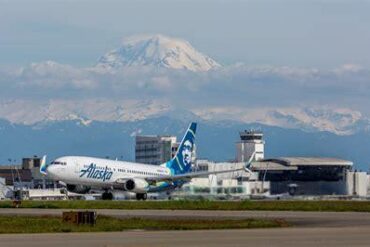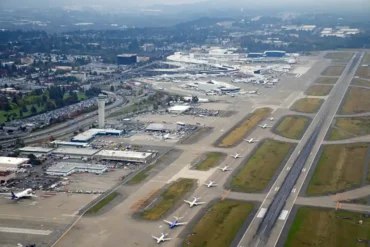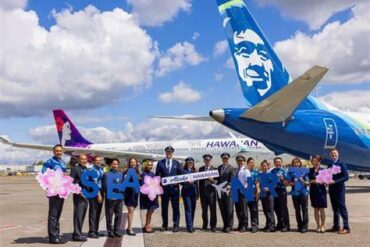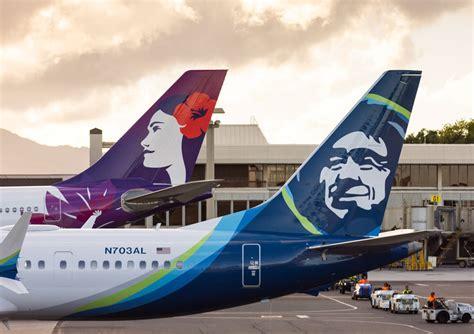
Alaska Airlines is charting a bold new course in the world of international aviation. With the acquisition of additional Boeing 787-9 Dreamliners, strategic expansion of long-haul routes, and the creation of a dedicated pilot base in Seattle, the airline is laying the groundwork for Seattle-Tacoma International Airport (SEA) to become a true global gateway. This initiative, underpinned by Alaska Air Group’s merger with Hawaiian Airlines, signals a transformative era for both the carrier and the Pacific Northwest’s aviation landscape.
Alaska Airlines Secures 17 Boeing 787-9 Dreamliners for Global Expansion
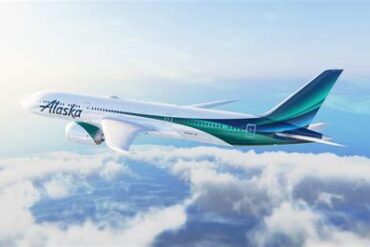
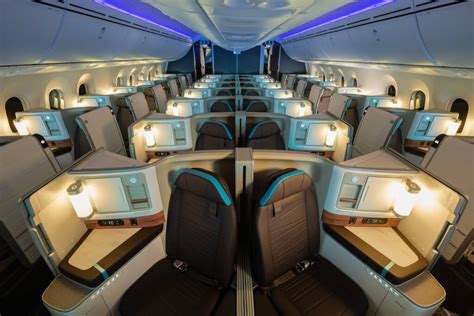
In a strategic move that cements its long-haul ambitions, Alaska Airlines has increased its total order of Boeing 787-9 Dreamliners to 17 aircraft. These state-of-the-art jets will serve as the backbone of Alaska’s international fleet, offering advanced fuel efficiency, extended range, and premium passenger comfort. The aircraft are ideally suited for transoceanic routes, allowing the airline to connect Seattle directly to key international markets.
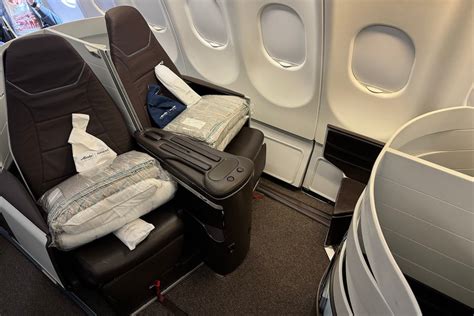
The 787-9’s capabilities—such as a range of over 7,600 nautical miles—enable nonstop service to far-reaching destinations. With reduced cabin altitude, larger windows, and quieter engines, the Dreamliner enhances the onboard experience while driving down operating costs. These aircraft represent not just a technological upgrade, but a signal of Alaska Airlines’ intent to become a serious contender in long-haul air travel.
New Long-Haul Routes: Rome and Seoul Take Center Stage
The first major test of Alaska Airlines’ intercontinental aspirations will come with new direct services to Rome and Seoul. These routes are more than just additions to the flight schedule—they are emblematic of the airline’s global strategy.
Starting in September 2025, Alaska will inaugurate nonstop service from Seattle to Seoul, South Korea, marking its first-ever transpacific route. This will be followed by the launch of a new direct route to Rome, Italy in May 2026, representing the airline’s debut into the European market.
These two strategic destinations serve distinct but equally vital purposes. Seoul, a hub of business and technology in East Asia, positions Alaska Airlines as a facilitator of Pacific Rim commerce. Rome, a high-demand tourist and cultural center, taps into the rising leisure traffic between the U.S. and Europe.
Transforming SEA into an International Aviation Powerhouse
At the heart of Alaska Airlines’ international growth is the transformation of its home base. Seattle-Tacoma International Airport (SEA) is poised to become a global aviation hub, with the airline playing a pivotal role in this evolution. SEA’s strategic West Coast location, existing international infrastructure, and rapid growth make it a natural launchpad for transoceanic service.
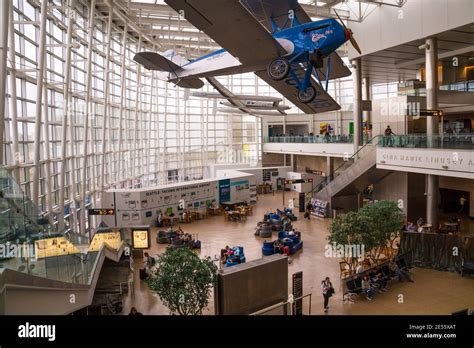
Since its merger with Hawaiian Airlines, Alaska has sharpened its focus on developing SEA into a high-connectivity global gateway. The integration of long-haul flights into Alaska’s already robust domestic network means more one-stop international options for passengers originating throughout the U.S. Pacific Northwest and beyond.
By 2030, Alaska aims to serve at least 12 overseas cities directly from Seattle. This includes both business-centric cities in Asia and major tourism destinations across Europe, establishing a reliable and expansive international footprint.
Dedicated 787 Pilot Base in Seattle: A Workforce Investment
To support the operational demands of long-haul service, Alaska Airlines will open a new pilot base for the 787 fleet in Seattle. Scheduled to begin operations on March 2, 2026, the base will initially house 15 captains and 30 first officers, with room to grow as more Dreamliners enter service.
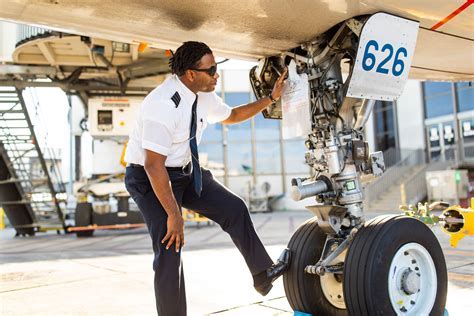
This investment ensures Alaska has the manpower necessary to scale its global operations without compromising safety or service quality. Establishing a dedicated pilot team for long-haul flights is also a forward-thinking move that positions the airline competitively in an increasingly tight labor market for skilled aviators.
Beyond operational readiness, the base serves as a morale and efficiency booster—keeping pilots closer to home, reducing scheduling complexities, and reinforcing Seattle’s role as the airline’s global HQ.
Why the Boeing 787-9 is a Game-Changer for Alaska Airlines
The decision to anchor long-haul growth around the Boeing 787-9 Dreamliner is more than pragmatic—it’s transformative. This aircraft offers the perfect blend of range, efficiency, and passenger comfort, aligning seamlessly with Alaska Airlines’ brand values and operational needs.
With the 787-9, Alaska can:
- Operate nonstop routes exceeding 7,000 miles, such as Seattle to Seoul or Rome, without fuel stops
- Deliver improved fuel economy, reducing carbon emissions and operating costs
- Offer enhanced passenger comfort, including quieter cabins, better humidity, and larger overhead bins
- Support cargo capacity crucial to international logistics and e-commerce
This aircraft not only unlocks new markets—it elevates Alaska’s image globally. From a branding perspective, the Dreamliner signals a premium experience and technical sophistication that resonates with both leisure and business travelers.
The Strategic Impact of the Hawaiian Airlines Merger
The Alaska-Hawaiian merger is central to this long-haul vision. The deal brings together two complementary route networks—Alaska’s West Coast strength and Hawaiian’s deep Asia-Pacific connections—creating a broader platform for international growth.
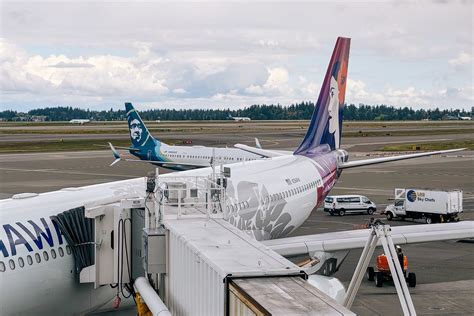
With access to Hawaiian’s international experience and route authorities, Alaska gains immediate operational insights and market entry advantages. Additionally, the merger boosts aircraft availability, pilot training resources, and opens up future possibilities for interline agreements or joint ventures.
Crucially, this merger positions Alaska Airlines to compete head-on with global giants like United, Delta, and American Airlines, all of whom have expansive transatlantic and transpacific networks.
Industry Trends Favoring U.S. Long-Haul Expansion
Alaska’s timing couldn’t be more astute. Demand for long-haul travel is rebounding strongly post-pandemic, driven by renewed interest in international tourism and a resurgence in global business activity. U.S. carriers are aggressively growing their global footprints to capture this wave.
Meanwhile, aircraft manufacturers like Boeing are facing backlogs, making early and firm orders—like Alaska’s Dreamliner deal—particularly strategic. The airline is ensuring aircraft availability in an environment where many competitors are struggling with delayed deliveries.
Furthermore, travelers are increasingly looking for nonstop flights from secondary hubs, skipping traditional megahubs like LAX or JFK. SEA is perfectly positioned to fill this niche, especially for West Coast travelers heading to Europe or Asia.
Looking Ahead: Alaska Airlines’ Global Future
Alaska Airlines is no longer a regional carrier with West Coast roots—it is rapidly evolving into a global airline with international ambitions. The coming years will define whether it can scale its vision effectively, but all signs point to a carefully planned ascent.
By 2030, with 17 Dreamliners, 12 international routes, and a full operational base in Seattle, Alaska will emerge as a significant player in both the transpacific and transatlantic markets. The airline’s ability to blend fleet modernization, route innovation, and strategic workforce planning will be critical to its long-term success.
Passengers flying through Seattle-Tacoma can expect greater global connectivity, streamlined itineraries, and a modern fleet built for comfort and efficiency. The Pacific Northwest is poised to become a key global aviation gateway—and Alaska Airlines is at the helm of that transformation.
As other U.S. carriers continue to invest in international expansion, Alaska’s bold move into the long-haul space reflects not just a business decision—but a commitment to elevating Seattle’s place on the world stage.