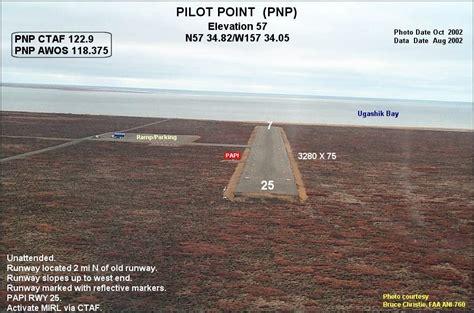
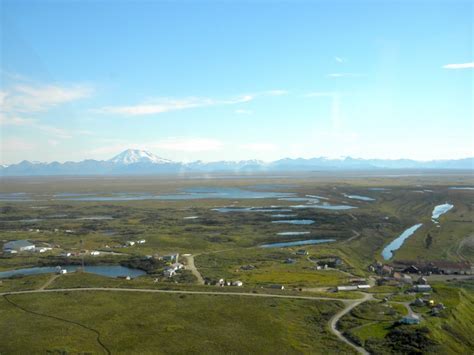
Located on the remote shores of the Bering Sea, Pilot Point Airport (IATA: PIP, ICAO: PAPN, FAA LID: PNP) is more than just a rural landing strip. It is a crucial infrastructural asset for Pilot Point, a small community nestled within the Lake and Peninsula Borough of Alaska. Despite its modest size, this publicly owned facility, maintained by the State of Alaska DOT&PF – Central Region, plays a significant role in sustaining year-round connectivity to and from the region. With aviation often serving as the only dependable mode of transportation in remote Alaskan communities, Pilot Point Airport has evolved into a vital logistics, passenger, and medical access point.
Strategic Role in Regional Connectivity
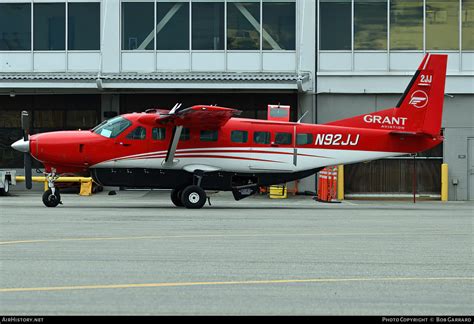
In a region defined by its geographic isolation, the airport’s primary value lies in providing scheduled service to King Salmon Airport, a regional hub from which passengers can connect to broader national and international networks. Operated by Grant Aviation, this scheduled route also links residents and freight to other regional outposts including Egegik and Ugashik Bay. These services are indispensable in supporting education, healthcare, commerce, and administrative operations.
The airport saw 738 commercial passenger boardings in 2008—an increase of 9% over the prior year—highlighting its growing relevance despite population stagnation. This is especially significant given that the Federal Aviation Administration (FAA) categorizes the site as a general aviation facility in the National Plan of Integrated Airport Systems (2009–2013).
Geographic Coordinates and Elevation
Positioned at 57°34′49″N 157°34′19″W, Pilot Point Airport sits at an elevation of just 57 feet (17 meters) above mean sea level. Its proximity to the Bristol Bay coast subjects the airstrip to frequent fog, cold maritime winds, and seasonal icing—all of which demand precise operational planning.
Runway Specifications and Surface Conditions
The facility features a single gravel runway—Runway 7/25—measuring 3,280 feet (1,000 meters) in length and 75 feet (23 meters) in width. The gravel surface requires meticulous maintenance and seasonal inspection to ensure it can handle a combination of general aviation aircraft and air taxi operations, which represent 66% and 34% of traffic, respectively.
The current location is an improvement from the original site, where the runway measured a shorter 3,100 by 50 feet. The updated dimensions and surface width enhance safety margins during crosswind landings and reduce FOD (foreign object damage) risks for aircraft.
Flight Operations and Air Traffic Patterns
Pilot Point Airport recorded 5,300 aircraft operations in 2005, averaging approximately 14 movements per day. These statistics underline the consistent demand for short-haul, regional flights connecting isolated communities to central Alaskan logistics networks. The majority of these flights fall under general aviation, although air taxi services offer routine and on-demand logistics.
Given the location’s limited visibility and unpredictable meteorological conditions, non-precision instrument approach procedures are vital. The FAA Terminal Procedures for PNP, effective April 17, 2025, provide the essential navigation protocols required for safe approaches and departures in low-visibility scenarios.
Discrepancy in Location Identifiers
While most U.S. airports share the same three-letter code across FAA and IATA systems, Pilot Point Airport remains a notable exception. It is designated PNP by the FAA and PIP by the IATA. The IATA’s PNP code is instead used for Girua Airport in Popondetta, Papua New Guinea. This discrepancy, though uncommon, emphasizes the need for careful route planning and air traffic communication to avoid confusion in logistical coordination.
Historic Incident and Safety Record
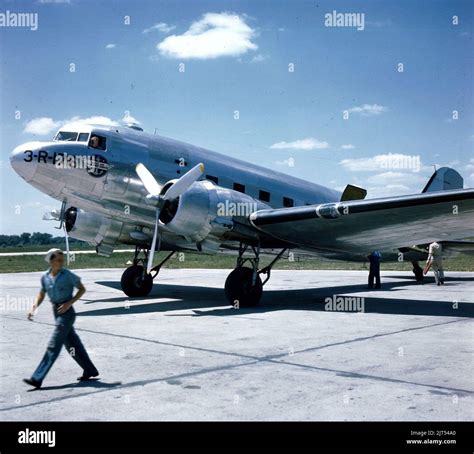
Pilot Point Airport’s operational history is largely unblemished, but it was the site of a tragic aviation accident on July 1, 1981. A Douglas R4D (N111ST) operated by United Aircraft Services crashed shortly after takeoff while en route to Anchorage International Airport. The aircraft, carrying a cargo of fish, suffered a port engine failure that led to a fatal crash. All three occupants onboard perished. The accident remains a somber reminder of the harsh conditions and operational complexities faced by pilots in Alaska.
Commercial Services and Operator Profile
The airport’s only scheduled service provider, Grant Aviation, has a long-standing presence in Alaska’s regional airline sector. The airline operates a mixed fleet of small, rugged aircraft well-suited to gravel runways and quick turnarounds. Their presence at Pilot Point reinforces a commitment to maintaining lifelines between remote villages and urban infrastructure in places like King Salmon and Dillingham.
Frequent flights facilitate medical evacuations, delivery of perishable goods, mail, and administrative correspondence. Grant Aviation’s operation is integral to the Alaska Essential Air Service (EAS) program, under which smaller communities receive subsidized air links due to their critical social and economic need.
Infrastructure Maintenance and State Oversight
As a state-owned facility, Pilot Point Airport benefits from funding and oversight provided by the Alaska Department of Transportation and Public Facilities (DOT&PF), specifically its Central Region. Maintenance teams handle gravel grading, snow removal, lighting inspections, and perimeter security. Because of the gravel surface, runway condition reports (RCAMs) are updated frequently to provide accurate braking action metrics.
Operational upgrades are rare but impactful. Any future investment in paving, lighting enhancements, or automated weather observation systems (AWOS) would dramatically improve reliability and aircraft turnaround capabilities, especially during Alaskan winters when daylight hours are limited and weather is severe.

Broader Role in Alaskan Aviation Ecosystem
Pilot Point is one of dozens of similarly scaled airstrips that make up the vast aviation network crisscrossing rural Alaska. These airports serve as the physical backbone of a state where traditional road access is sparse or non-existent. Pilot Point Airport supports subsistence lifestyles, local fisheries, and the interconnection of medical, educational, and commercial services—all of which depend heavily on reliable air transport.
It is listed among the state’s general aviation airports, not due to traffic insignificance, but because it lacks the commercial density of places like Anchorage or Fairbanks. Yet its role is arguably more critical: without it, the isolation of Pilot Point would be total.
Looking Ahead: Future Development Possibilities
Although no major expansions are currently announced, future prospects may include:
- Paving of the gravel runway to accommodate a broader range of aircraft
- Installation of AWOS systems to enhance flight planning and safety
- Lighting improvements for nighttime and IFR operations
- Terminal upgrades to better serve passengers and freight handlers
Such developments would elevate the airport’s profile and make it more resilient against climatic disruptions.
Conclusion: A Critical Air Link in Rural Alaska
In sum, Pilot Point Airport is more than an airstrip—it is an artery of life for the community it serves. From medical flights to fish cargo, from commuter links to weather-sensitive evacuations, its utility spans practical, economic, and emotional terrains. As Alaska continues to adapt to the challenges of climate, remoteness, and technological integration, airports like Pilot Point will remain at the forefront of sustaining community resilience.
Its story is one not just of runways and registrations, but of endurance, necessity, and service in one of America’s most remote and beautiful frontiers.