Europe’s travel narrative is undergoing a quiet yet powerful transformation. As overtourism continues to strain iconic cities and coastal hotspots, a new wave of lesser-known European destinations is rising to prominence. Alta Badia, La Rioja, Minho, Svalbard, Pelion Peninsula, and the Stockholm Archipelago are among the regions now captivating travelers with their untouched landscapes, cultural depth, and immersive natural experiences.
Alta Badia: The Soul of the Dolomites
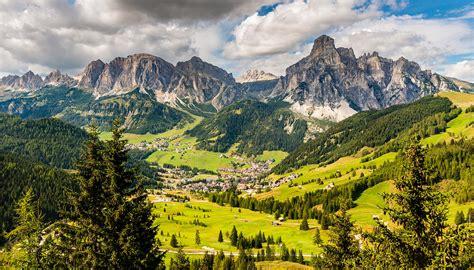
Tucked in South Tyrol, Northern Italy, Alta Badia unfolds like a living painting — sheer Dolomite peaks glowing at dawn, verdant meadows crisscrossed with alpine trails, and centuries-old Ladin villages preserving ancient customs. This mountain retreat is not just about postcard beauty; it is a sanctuary where wellness meets adventure.
The area offers unparalleled hiking during summer and elite skiing in winter. Yet beyond sport, it’s the culinary heritage that surprises. Alta Badia is home to several Michelin-starred restaurants that reinvent South Tyrolean cuisine with refined alpine ingredients. The fusion of Italian flair, Austrian influence, and Ladin traditions creates a gastronomic profile unlike any other in the Alps.
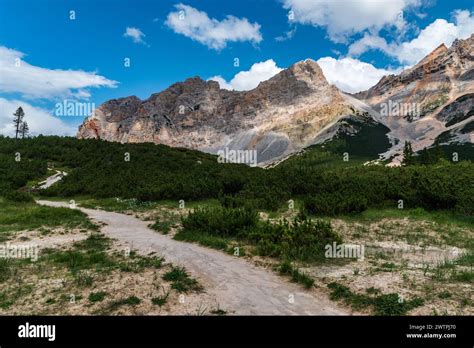
Visitors are drawn to the Puez-Odle Nature Park, the tranquil Armentarola trail, and intimate spas perched high above the valley. What defines Alta Badia is its balanced rhythm — a harmony between isolation and indulgence.
La Rioja: Spain’s Timeless Wine Country
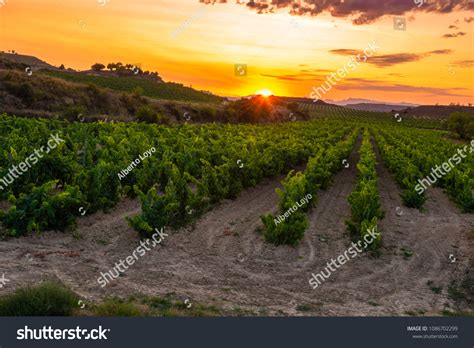
In northern Spain, La Rioja is a landscape of sweeping vineyards, ochre-hued villages, and storied wine cellars. For centuries, the region has been synonymous with world-class wine, and today, it blends tradition with cutting-edge oenology.
Bodegas here aren’t just wine factories—they’re cultural institutions. Architectural marvels like Marqués de Riscal, designed by Frank Gehry, sit side by side with centuries-old underground cellars. The harvest season is particularly magical, with grape-stomping festivals, local music, and outdoor tastings set against the backdrop of the Ebro River Valley.
Yet La Rioja is more than wine. The Camino de Santiago pilgrimage route carves through its heart, linking travelers with ancient monasteries, Romanesque churches, and tapas-filled plazas. Here, spiritual history, rustic charm, and culinary excellence merge seamlessly.
Minho: Portugal’s Lush Northwest
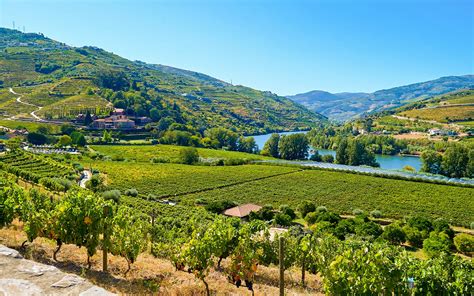
The Minho region in northern Portugal quietly radiates richness — in culture, cuisine, and nature. Dominated by rolling green hills, rivers, and fortified towns, it embodies the soul of Portuguese tradition.
Minho is the birthplace of vinho verde, a young, effervescent wine as vibrant as the landscape. Paired with dishes like bacalhau à Braga or roasted goat, dining here is a visceral return to authenticity. The historic cities of Braga and Guimarães—often overshadowed by Lisbon or Porto—offer stunning baroque architecture, cobbled alleys, and an undeniable sense of identity.
Nature lovers can kayak on the Lima River, hike the Peneda-Gerês National Park, or roam through terraced vineyards that haven’t changed in generations. Minho invites slow travel and sensory immersion.
Svalbard: The Arctic’s Raw Frontier
Above the Arctic Circle, the Svalbard archipelago in Norway offers a wilderness that seems otherworldly. Towering glaciers, frozen fjords, and drifting sea ice form the stark canvas of a destination built for adventurers.
Home to more polar bears than people, Svalbard is a realm where nature reigns. Visitors often embark on guided expeditions to see walruses, Arctic foxes, reindeer, and elusive whales. Whether trekking across permafrost or cruising beneath calving glaciers, travelers are immersed in one of the most extreme yet awe-inspiring environments in Europe.

Svalbard’s capital, Longyearbyen, is a curiosity itself — a place where mail arrives by snowmobile, the sun doesn’t rise for months in winter, and sustainability guides every decision. Under the midnight sun or polar night, the island delivers once-in-a-lifetime encounters few destinations can match.
Pelion Peninsula: Myth and Serenity in Greece
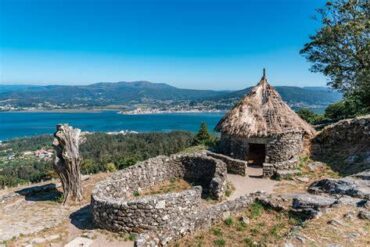
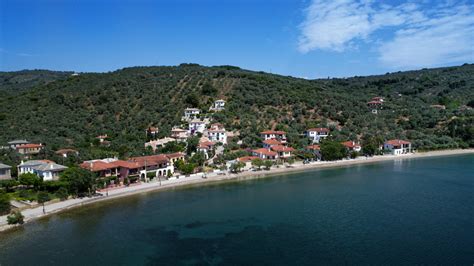
Nestled between Mount Pelion and the Aegean Sea, the Pelion Peninsula is a lush, mountainous arc in mainland Greece where myth blends with modernity. Once home to Chiron the Centaur in Greek mythology, this peninsula retains a mystical aura thanks to its forested slopes, pebble coves, and stone villages.
Unlike Greece’s tourist-trodden islands, Pelion remains an insider secret. Villages like Tsagarada, Makrinitsa, and Portaria captivate with neoclassical mansions, local herb shops, and views that tumble down to turquoise shores. The area offers four-season appeal: summer swimming, autumn harvests, spring wildflowers, and even snow-dusted ski resorts in winter.
Cultural depth runs deep here. Handmade textiles, local tsipouro (a grape-based spirit), and traditional dances at village festivals offer a living connection to Pelion’s ancestral roots. Every turn on its winding coastal roads reveals a new hidden beach, a sacred chapel, or a view that demands pause.
Stockholm Archipelago: Sweden’s Island Labyrinth
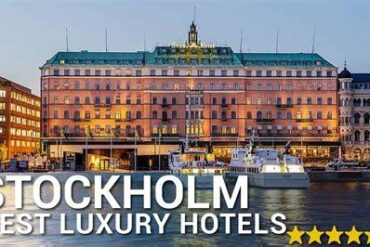
Just a short ferry ride from Stockholm, over 30,000 islands form a marine maze known as the Stockholm Archipelago. Dotted with red cabins, windswept pine forests, and glittering waters, it is a peaceful counterbalance to urban Sweden.
What makes this archipelago remarkable is its accessibility — visitors can kayak between islands, stay in converted boathouses, or cycle through tiny fishing villages. Islands like Vaxholm, Grinda, and Sandhamn offer local markets, sauna experiences, and wood-fired dinners that epitomize Scandinavian coziness.
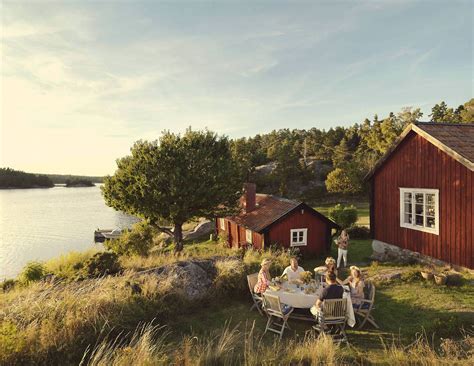
In summer, the days stretch endlessly under golden skies, while winter brings the charm of frozen seascapes and ice roads. Despite its proximity to the capital, the archipelago remains untamed — no high rises, no loud resorts, just nature’s poetry in Scandinavian form.
The Broader Shift: Why Travelers Are Flocking to Europe’s Hidden Corners
The rise of these destinations is no accident. They reflect a growing rejection of mass tourism in favor of authentic, conscious exploration. As travelers seek meaningful connections, local sustainability, and unfiltered beauty, these regions deliver precisely that — and more.
Key factors driving the appeal of Europe’s unseen gems:
- Overtourism fatigue: Crowded landmarks and skyrocketing prices have dulled the allure of traditional hotspots.
- Environmental awareness: These regions embrace low-impact tourism, from bike trails to locally sourced food.
- Cultural curiosity: Visitors want to experience a place, not just photograph it.
- Year-round appeal: Unlike seasonal destinations, these locations offer distinct charms across all four seasons.
Travel providers are catching up, offering eco-lodges, guided nature treks, and community-based tours that promote both preservation and prosperity. By venturing into these lesser-told corners of the continent, travelers not only avoid the crowds but also invest in the future of sustainable European tourism.
Conclusion: Redrawing the Map of European Travel
In an age where travel is more intentional, more personal, and more responsible, destinations like Alta Badia, La Rioja, Minho, Svalbard, Pelion Peninsula, and the Stockholm Archipelago serve as blueprints for a better way forward. They remind us that Europe’s richest experiences often lie far from the spotlight — in secluded trails, quiet vineyards, ancient myths, and untouched shores.
To explore them is to rediscover the joy of discovery itself — not as tourists, but as curious, respectful participants in the vast, diverse, and ever-evolving story of Europe.