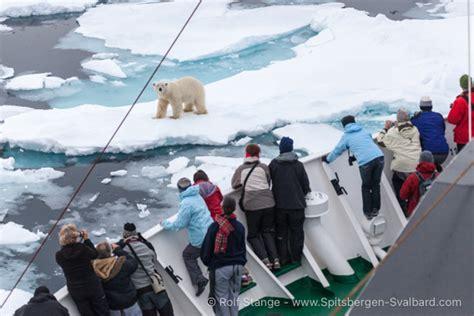
As of 2025, Svalbard, Norway, will implement new proximity rules aimed at protecting its iconic polar bears from human disturbances. This significant change is part of a broader initiative to ensure sustainable tourism practices within one of the world’s most delicate ecosystems. The archipelago, known for its stunning landscapes and diverse wildlife, has become increasingly popular among travelers seeking the thrill of Arctic exploration. However, the surge in tourism has raised concerns about the impact on local wildlife, particularly the majestic polar bear.
Svalbard is located approximately 800 miles from the North Pole, making it one of the most accessible Arctic destinations for adventurous tourists. With daily flights from Oslo to Longyearbyen, the capital of Svalbard, this remote paradise attracts nature enthusiasts and explorers eager to experience its breathtaking scenery and unique wildlife. The polar bear, as the apex predator of the region, plays a crucial role in the local ecosystem, but its well-being is threatened by rising tourist numbers and the associated disturbances from human activities.
To address these challenges, the Norwegian government has introduced a set of regulations that will come into effect on January 1, 2025. According to these rules, all expedition ships operating in the region will be required to maintain a minimum distance of 500 meters (1,640 feet) from polar bears. This distance is critical to reducing stress on the bears and ensuring their natural behaviors remain undisturbed by human presence. After July 1, 2025, this distance will be slightly reduced to 300 meters (about 984 feet), allowing for closer observation while still prioritizing the welfare of these magnificent creatures. The intention behind this regulation is clear: to balance the excitement of wildlife encounters with the necessary conservation efforts needed to protect the polar bear population.
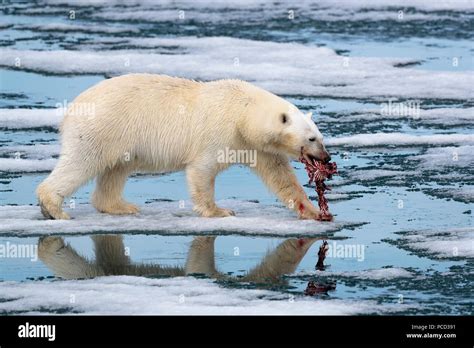
The consequences for violating these new proximity limits are severe. Offenders may face prison sentences of up to five years, underscoring the seriousness of these regulations. Norway’s stringent enforcement measures reflect its commitment to safeguarding the fragile Arctic ecosystem and ensuring that tourism does not come at the expense of environmental degradation. By holding violators accountable, Norway sets a powerful example of responsible tourism practices that can be emulated by other regions facing similar challenges.
The surge in Arctic tourism over recent years is driven by a growing fascination with experiencing the untouched beauty of the North. Tourists are drawn to Svalbard for its unique wildlife, including polar bears, reindeer, and seals, as well as the breathtaking phenomena of the midnight sun and the Northern Lights. However, the increase in visitor numbers also amplifies the pressure on the environment, posing risks to both the local wildlife and the delicate ecosystems that sustain them. The introduction of these proximity rules is a proactive measure by the Norwegian government, aiming to manage tourism in a manner that respects and preserves Svalbard’s natural resources.
For travelers planning an Arctic adventure in 2025, it is essential to understand how these new regulations will impact the experience. Tour operators will need to adapt their itineraries and operational practices to comply with the proximity rules, ensuring that tourists enjoy a safe and environmentally responsible journey. While visitors may find themselves observing polar bears from a greater distance than before, these regulations are designed to enhance the educational aspect of wildlife viewing while respecting the animals’ natural habitat.
Wildlife enthusiasts can still expect to witness the grandeur of polar bears in their natural setting. The regulated approach ensures that every encounter is both thrilling and respectful, allowing for a deeper appreciation of these incredible creatures. Additionally, this shift towards more sustainable tourism reflects the increasing awareness of the importance of preserving the Arctic’s unique ecosystem, ensuring that future generations will have the opportunity to experience Svalbard’s unparalleled beauty.
Svalbard’s initiatives in regulating tourism serve as a model for sustainable exploration. As one of the few places where the balance between economic development and environmental preservation is actively pursued, Svalbard demonstrates that responsible tourism is not only possible but essential. Norway’s long-standing commitment to eco-friendly tourism practices reinforces the significance of these new regulations, which are part of a wider effort to safeguard the environment while allowing people to explore some of the world’s most extraordinary landscapes.
As Arctic tourism continues to evolve, it is crucial for both operators and travelers to remain informed about ongoing changes and updates to regulations. Compliance with environmental and safety standards is not just a legal obligation; it is a shared responsibility to protect the natural world. While adjustments may be necessary in how tourism is conducted in Svalbard, these changes ultimately promote the long-term sustainability of the region.
In conclusion, the new proximity rules for polar bears in Svalbard mark a pivotal step toward sustainable Arctic tourism. By safeguarding these magnificent creatures and their habitats, Norway is setting an important precedent for responsible tourism worldwide. As travelers increasingly seek unique, eco-conscious adventures, Svalbard will continue to offer some of the most unforgettable experiences in the Arctic, ensuring that this pristine environment remains intact for generations to come.