The specter of a U.S. attack on Iran is not just a regional crisis for Tehran or its immediate neighbors but has deep-reaching implications for global stability, particularly for Pakistan. As the U.S. mobilizes its military assets in the Middle East, the geopolitical implications of a strike on Iran could potentially destabilize Pakistan, leading to what many analysts believe could be the highest price Pakistan has to pay. The unfolding situation brings to light the delicate balance Pakistan must maintain, caught between its strategic alliance with the U.S. and the potential fallout from the collapse of its neighbor to the west.
U.S. Military Operations Near Iran: Escalating Tensions in the Middle East
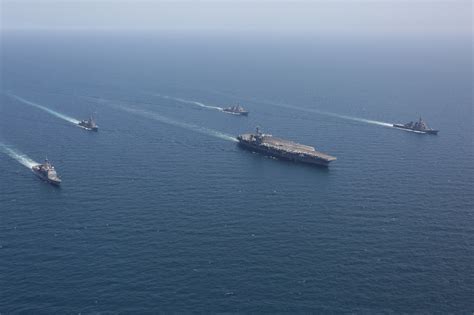
The recent movements of U.S. military forces, particularly the deployment of the USS Abraham Lincoln and the George H.W. Bush Carrier Strike Groups, have intensified fears across the Middle East. This military build-up is not just a show of force but a clear signal that Washington is preparing for potential action against Iran. The U.S.’s past engagements in the region, particularly in countries like Iraq and Afghanistan, have shown that any military intervention tends to ripple across the entire region, affecting countries both directly and indirectly involved.
Iran’s reaction to any U.S. strike would likely include retaliatory measures against U.S. military bases and interests spread across the region. Countries like Saudi Arabia, Turkey, and Qatar, already uneasy with the situation, are bracing for the consequences. Among these, Pakistan stands out as the country most vulnerable to the fallout from any instability in Iran, not just because of its geographical proximity but also because of the complex cross-border dynamics involving militancy and unrest.
Pakistan’s Vulnerability: The Balochistan Connection
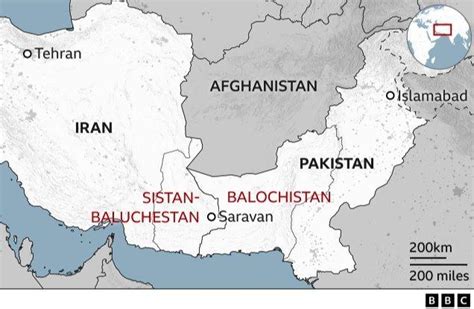
Pakistan shares a long and porous border with Iran, specifically the Balochistan region, which has become a hotspot for cross-border militancy. This region, split between Pakistan’s Balochistan province and Iran’s Sistan and Baluchestan province, is home to various insurgent groups like the Baloch Liberation Army (BLA) and the Balochistan Liberation Front (BLF). These groups are not only active within Pakistan but also operate on the Iranian side of the border, creating a volatile security environment.
For Pakistan, the risk of an escalation following a U.S. attack on Iran is twofold. First, the collapse of Iranian authority or military action on its side of the border could embolden these militant groups. In recent years, both Iran and Pakistan have faced attacks from insurgents who cross the border with relative ease. The weakening of Iran’s grip on the region could increase the frequency and intensity of attacks against Pakistani security forces, potentially destabilizing the already fragile Balochistan province.
Second, the existing hostility between Baloch separatists and the Pakistani government means that any increase in cross-border activity could further ignite ethnic and sectarian violence within Pakistan, which has had its own problems with militancy. The rise in such violence is particularly concerning as Pakistan is already engaged in counterinsurgency operations against the Taliban and dealing with ongoing instability from its eastern neighbor, India.
The Risk of Ungoverned Spaces and the Spread of Militancy
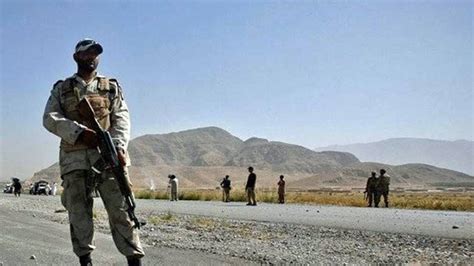
In the event of a military intervention in Iran, Pakistan’s worst fear would be the emergence of ungoverned spaces along its border with Iran. This would provide a breeding ground for militancy, creating safe havens for terrorist groups like Jaish al-Adl and Ansar al-Furqan, which are active in both Iran and Pakistan. These groups, which are predominantly anti-Iranian, could gain more territory, weapons, and resources if Iran’s central government is weakened or toppled by U.S. action.
Pakistan’s concern is that such a shift in Iran’s stability could open the floodgates to further attacks on Pakistani soil. With a steady increase in Baloch militia activities—such as the daring hijack of the Jaffar Express in March 2025—Pakistan is on high alert. The destabilizing effect on Balochistan would not only strain Pakistan’s military resources but could also exacerbate the already volatile political landscape within Pakistan itself.
Strategic Alliances and the Complications for Pakistan
Pakistan’s strategic positioning as a U.S. ally further complicates its situation. While Islamabad has maintained cordial relations with Washington in recent years, especially after the 2025 India-Pakistan conflict, any potential involvement in a U.S. military operation against Iran could strain ties with Tehran even further. Iran views Pakistan’s alliance with the U.S. as a direct threat to its sovereignty, and any support, even indirect, for a U.S. strike on its soil could lead to serious consequences for Pakistan, both diplomatically and in terms of national security.
In a scenario similar to the U.S. invasion of Iraq in 2003, where Iran supported Shia militias across the region, any U.S. action in Iran could lead to a similar chain reaction. Iran might bolster anti-Pakistan militias operating within Balochistan, significantly increasing the threat to Pakistani forces stationed along the border. This, coupled with the Taliban’s growing influence in neighboring Afghanistan, would create a perfect storm of instability for Pakistan.
Economic Implications: The Strait of Hormuz and Global Energy Prices
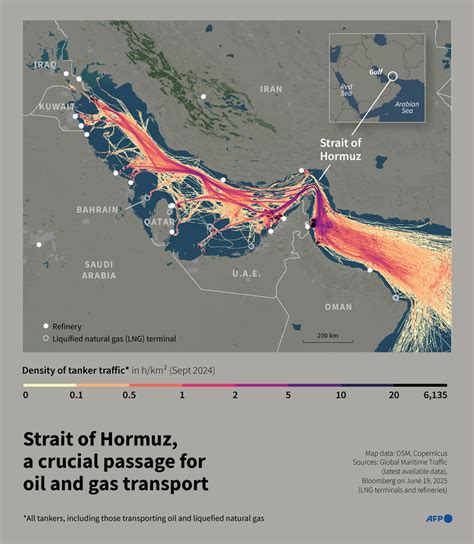
The economic consequences of a U.S. attack on Iran would ripple across the global economy, but Pakistan could face unique challenges. The Strait of Hormuz, a vital shipping lane for global oil trade, could become a point of contention if Iranian forces decide to block it in retaliation for any military strikes. Such an event would send global oil prices skyrocketing, impacting countries like Pakistan, which is already struggling with an energy crisis.
The economic instability caused by rising oil prices would exacerbate Pakistan’s economic difficulties, making it harder for the country to manage domestic issues such as energy shortages, inflation, and poverty. Pakistan’s economy is already under immense strain, and the addition of a volatile regional environment would make it even more difficult to navigate.
Pakistan’s Diplomatic Efforts and the United Nations
Given the growing tensions, Pakistan has taken a diplomatic route, appealing to the United Nations for the peaceful resolution of the conflict. Pakistan’s Ambassador to the UN, Asim Ahmad, has emphasized that the UN Charter prohibits the use of force against the territorial integrity of states, underscoring Pakistan’s commitment to diplomacy. However, the international community’s response will be crucial in determining whether Pakistan can avoid becoming embroiled in this regional conflict.
While Pakistan has expressed its hope for early normalization of the situation in Iran, it is uncertain whether it can avert the cascading effects of a U.S. military operation in the region. Pakistan’s leaders have repeatedly called for the respect of international law, but with the U.S. already deeply involved in the Middle East, the situation remains precarious.
Conclusion: A Delicate Balance for Pakistan
In conclusion, while the U.S. prepares for its next move in the Middle East, Pakistan finds itself on the edge of a precipice. A potential military strike on Iran could lead to unprecedented security and economic challenges for Pakistan. The direct consequences of such an attack could destabilize Pakistan’s already volatile borders, embolden militant groups, and undermine its delicate regional alliances. As the situation continues to evolve, Pakistan’s ability to navigate this complex geopolitical landscape will determine how much it ultimately pays for the U.S.’s military operations on Iran.