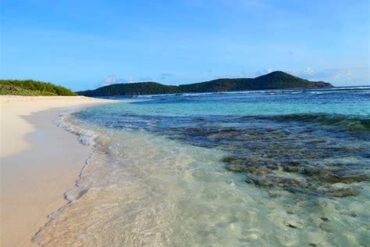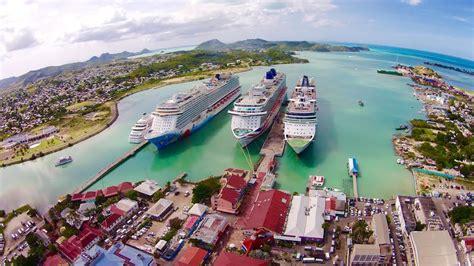
The Caribbean tourism sector is experiencing an unprecedented resurgence, but one destination has emerged as a clear frontrunner: St. Vincent and the Grenadines (SVG). According to a new industry report released on June 14, 2025, St. Vincent has outpaced traditionally dominant markets such as Jamaica, Barbados, the Dominican Republic, and the Cayman Islands, securing its place as the region’s most dynamic growth leader. With a staggering 74.8% increase in U.S. visitor arrivals in the first quarter of 2025 compared to the same period last year, SVG has become the focal point of a new era in Caribbean tourism.
St. Vincent’s Meteoric Rise: Bold Strategy Meets Perfect Timing
The report reveals that SVG’s ascension is no accident. Tourism Minister Carlos James attributed the growth to a multi-pronged strategy built on aggressive international marketing, strategic airlift expansion, and a strong commitment to sustainable development. The island also recorded a 12.8% rise in overall international arrivals, a continuation of the positive momentum seen in 2024, when SVG achieved a 27.2% increase in stay-over visitors, closing the year with over 102,000 arrivals.
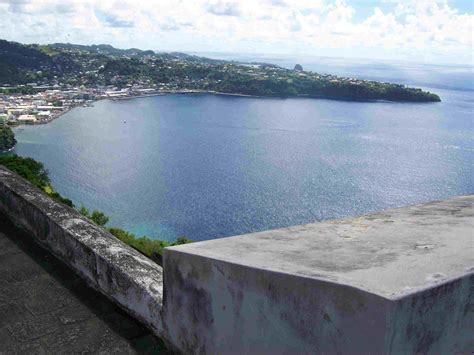
In James’s words, the new trajectory is not merely about numbers: “Tourism is a job creator, an investment magnet, and the engine of our economic transformation.” This perspective reflects a national alignment where tourism is integrated into long-term economic planning, making SVG not just a destination, but a regional model for sustainable tourism growth.
Jamaica’s Comeback: Confidence Restored and Growing
While St. Vincent has stolen the spotlight, Jamaica remains a formidable player in the region. A 28% increase in U.S. arrivals during Q1 2025 signals a strong rebound, driven in part by the U.S. State Department lowering its travel advisory from Level 3 to Level 2. With expanded airline routes from major U.S. cities and renewed investment in traveler safety, Jamaica is working to reclaim its reputation as a resilient tourism powerhouse.
Jamaica’s tourism strategy is increasingly regional in scope. The government has committed to targeting 4.5 million visitors in 2025, projecting over $4.6 billion in tourism revenue. That ambition is being supported by cruise line expansions, new resort developments, and targeted outreach in secondary U.S. markets. Yet, despite these efforts, the island now plays catch-up to SVG’s explosive momentum.
Curaçao and Barbados: Strong Contenders, Clear Challenges
Following closely behind SVG, Curaçao delivered a 23.5% surge in U.S. arrivals and a 16.6% growth across all global markets, positioning it as another significant mover. These gains are attributed to enhanced transatlantic airlift, revitalized branding, and continuous improvements in the island’s tourism infrastructure. Curaçao’s success demonstrates the value of multi-source visitor strategies and experience-driven tourism.

Barbados, traditionally a darling of the American market, saw a 22% rise in U.S. arrivals in the first quarter. While commendable, this performance was eclipsed by SVG’s dominance. Officials in Bridgetown cite digital marketing innovation, airline partnerships, and diversified tourism experiences—including wellness, gastronomy, and sports—as central to Barbados’ strategy. Yet, in a hyper-competitive post-pandemic market, these initiatives have not been enough to place Barbados at the front of the race.
Antigua and Bermuda: Luxury Focused, Growth-Oriented
Antigua and Barbuda maintained steady growth with a 12.4% rise in U.S. visitors, showcasing strong traction in high-spend tourism segments like yachting, wellness, and eco-luxury. Officials point to infrastructure investments and premium hospitality developments as central to their vision of sustainable high-yield tourism. This strategy supports Antigua’s positioning as a niche premium destination rather than a mass-market player.
Similarly, Bermuda, located in the North Atlantic but still included in the Caribbean tourism analysis, posted a 9.8% increase in arrivals. The Bermuda Tourism Authority has been reshaping its image, attracting younger travelers and group tourists with innovative campaigns. Enhanced cruise facilities and improved digital connectivity are boosting its tourism profile.
Dominica and Grenada: Eco-Driven and Cultural Catalysts
Dominica, famously known as “The Nature Island,” continues to capitalize on eco-tourism trends. With a 9.6% growth in tourist arrivals, Dominica is solidifying its role as the Caribbean’s leading green destination. Investments in sustainable resorts, improved ferry services, and new air routes have transformed this once-hidden gem into an eco-luxury hotspot.
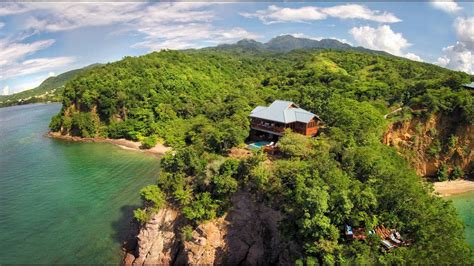
Grenada, meanwhile, posted 18% growth in total arrivals, complemented by a 17.8% increase in cruise ship traffic. Cultural festivals like Spicemas and events such as the Grenada Chocolate Festival have become major draws. Grenada’s approach is hybrid, balancing cultural tourism with mainstream leisure, supported by strong marketing in the North American and European markets.
Dominican Republic: Volume Leader, Growth Maintainer
The Dominican Republic remains the Caribbean’s most visited destination, recording 3.35 million total visitors in Q1 2025, including over 1 million cruise passengers. Though its 15.4% year-over-year growth is impressive, it represents consistency rather than disruption. The country has benefited from stable airlift, resort expansion, and a steady influx of American and European tourists, yet it lacks the exponential growth seen in SVG.
While the Dominican Republic’s strategy excels in scale, it is less nimble than SVG’s agile, sustainability-focused playbook.
Cayman Islands: Quiet Momentum in High-End Tourism
The Cayman Islands continued their measured expansion in Q1 2025, reporting increases in hotel occupancy, tourism tax revenue, and average stay duration. Though percentage growth figures were not disclosed, the data points to a thriving premium tourism economy. The government attributes this to enhanced air access, an uptick in luxury hotel developments, and precise targeting of affluent travelers in key North American metros.
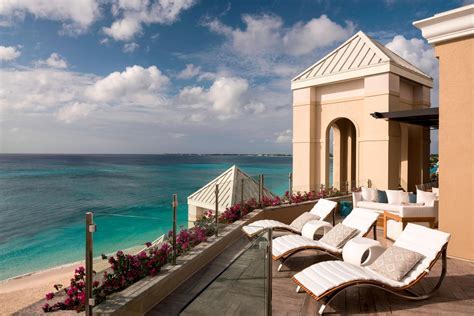
Yet, despite a favorable economic mix, the Caymans lag behind SVG’s rapid pace, largely because their model emphasizes depth over breadth—an approach better suited to long-term yield than short-term volume spikes.
The St. Vincent Effect: A New Blueprint for Caribbean Tourism
What sets St. Vincent apart is its capacity to redefine regional dynamics. In an industry long dominated by a handful of titans, SVG’s leap has broken the narrative. Its record 74.8% surge in U.S. arrivals is not just a statistic—it’s a symbol of strategic realignment. Where other nations leaned on legacy branding and traditional seasonal cycles, SVG embraced change, agility, and innovation.
By blending sustainability, marketing science, and infrastructure investment, St. Vincent has introduced a new blueprint for Caribbean growth. The shift signals a critical lesson for tourism boards across the region: differentiation, not duplication, will define success in the decade ahead.
As the Caribbean’s tourism renaissance continues to unfold in 2025, it’s clear that St. Vincent isn’t just participating in the sector’s rise—it’s leading it.