Spain is already home to some of the most beautiful beaches in the world, along with lively cities and a fascinating history. However, in recent years, many of the country’s more popular locations have felt the strain of over-tourism, with holidaymakers flocking in their thousands to see what it’s all about. From protests in Barcelona to over-congested hotspots in the Balearic Islands, residents have vented their anger at the effects of mass tourism. Although tourism constitutes 12% of Spain’s national GDP, many areas are offsetting the burden by marketing lesser-known locales that offer one-of-a-kind cultural, historical, and natural experiences without the crowds. The Spanish government, tourism boards, and local authorities have launched initiatives in 2025 to attract visitors to these peaceful corners of the country. Here, we explore some of Spain’s best-kept secrets for a sustainable tourism experience, where visitors are warmly welcomed, and local towns, villages, and regions prosper without being overwhelmed by mass tourism.
Galicia: Rough-and-Tumble, Wild and Free in Spain’s Green North
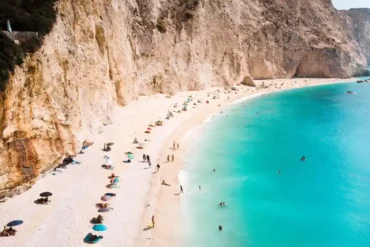
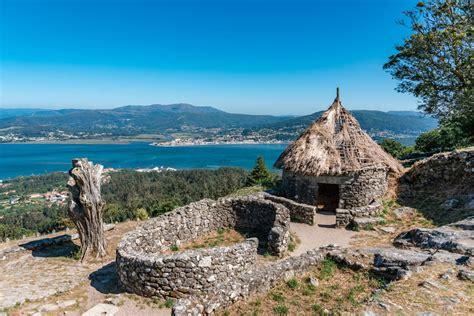
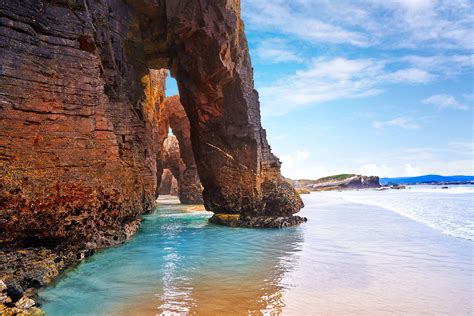
One of Spain’s best-kept secrets, Galicia stands proudly on the northern coast of the Atlantic. Renowned for its dramatic cliffs, hidden beaches, and ancient fishing communities, Galicia is often overshadowed by the sunny shores of the Mediterranean. However, visitors who venture to this verdant region will discover a completely different side of Spain. The coastline of Galicia is adorned with pristine beaches, such as the renowned Playa de las Catedrales, celebrated for its unique rock formations and secluded coves, perfect for a tranquil beach day. The rocky landscapes of Galicia cater not only to beachgoers but also to hikers and nature enthusiasts. This area is home to the Senderos Azules, a series of walking trails that wind along the Atlantic coast and through inland rivers, offering a glimpse of the wild beauty of this part of Spain without the crowded paths often found on the southern coast.
What makes Galicia truly special is its rich food culture, which provides a culinary experience distinct from the rest of Spain. Seafood lovers will relish dishes such as octopus “a la gallega” and the region’s famous “percebes” (goose barnacles). While Spain is typically associated with La Rioja and Catalonia for wine culture, Galicia boasts its own wine-growing areas where visitors can bask in the scenic vineyards of Rías Baixas and sample Albariño, a bright, tart white wine that pairs wonderfully with coastal fare.
La Rioja: Spain’s Undiscovered Jewel in the Country of Wine
La Rioja, often regarded as one of Spain’s premier wine regions, is another locale that remains largely forgotten by tourists. With its historic towns, award-winning vineyards, and picturesque Pyrenean foothills, La Rioja offers a serene way to enjoy life’s finer things without the presence of throngs of tourists. The region is home to over 500 wineries, many of which provide private cellar tours and wine tastings. This is an ideal opportunity for anyone wishing to take a taste of Spain’s incredibly popular Tempranillo, Garnacha, and Mazuelo wines back home. Notably, the Marqués de Riscal winery, designed by the celebrated architect Frank Gehry, stands out for its architectural wonders, while CVNE, a winery steeped in a century of history, invites visitors to travel back in time within its cellars, which were crafted by Gustave Eiffel’s studio.
Beyond wine, La Rioja offers a wealth of cultural experiences. The medieval towns of Haro and Logroño are bustling with cobblestone streets, tapas bars, and quaint local shops. Visitors can also explore the UNESCO-listed monasteries of San Millán de Yuso and Suso. For outdoor enthusiasts, La Rioja’s diverse landscapes are perfect for hiking, biking, and discovering the less-traveled paths of the Camino de Santiago pilgrimage route. Despite being relatively unknown to international visitors, La Rioja is tranquil and authentic, presenting a wonderful alternative for those trying to escape the chaos of Spain’s more tourist-infested areas.
Extremadura: The Hidden Historical Gem of Spain
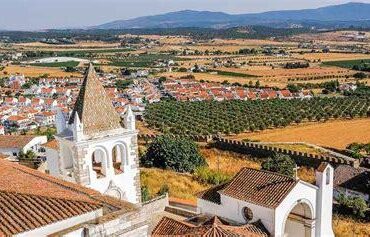
Extremadura, an inland region whose westernmost border brushes against Portugal, is another part of Spain that has somehow escaped the notice of most visitors. Home to three UNESCO World Heritage sites — Cáceres, Mérida, and Guadalupe — Extremadura remains off the mainstream tourist track, preserving its splendid history and unspoiled nature. Cáceres, one of Spain’s best-preserved medieval walled cities, showcases a blend of Roman, Moorish, and Christian architecture. Among its treasures is the famed Roman Theater, where classical dramas are performed each summer, attracting culture enthusiasts from far and wide. Another UNESCO site, the Royal Monastery of Guadalupe, stands as one of Spain’s most significant pilgrimage destinations—Christopher Columbus himself crossed its threshold on his way back from the New World.
Nature lovers will find paradise in Extremadura, with an abundance of wildlife and myriad options for outdoor activities. Monfragüe National Park is home to one of the largest colonies of black griffon vultures in the world, while the Villuercas-Ibores-Jara GeoPark features striking scenery for hikers and bird watchers alike. The area also boasts a thriving food scene, where traditional tapas bars serve local delicacies like Torta del Casar, a creamy sheep’s cheese. For those in search of the authentic essence of Spain, Extremadura’s hidden delights offer an opportunity to travel back in time and soak up the country’s history in peace and tranquility, unmarred by the swarms of other visitors.
El Hierro: Spain’s Green Paradise Island
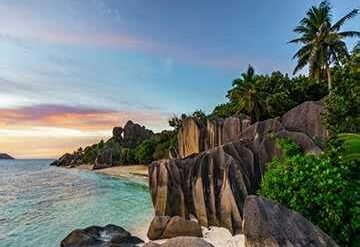
El Hierro, the smallest and least-visited of the Canary Islands, presents a rare blend of sustainability and natural beauty. As the westernmost of the Canary Islands, El Hierro is recognized as a UNESCO Biosphere Reserve and stands as one of the most eco-friendly destinations worldwide. The island has set an ambitious goal of becoming completely energy self-sufficient through renewable sources such as solar and wind power, making it an exceptional place to visit for those mindful of their environmental impact. El Hierro offers plenty of outdoor activities, including hiking across volcanic landscapes and scuba diving in crystal-clear waters. Its varied habitats, encompassing thick forests and sheer cliffs, are home to several species of endemic flora and fauna, making it an emblematic location for nature lovers. With no direct flights from off-island airports, El Hierro attracts fewer international tourists, providing an escape for visitors seeking a quieter, more sustainable island experience. Here, tourists can enjoy secluded beaches like the black-pebble Timijiraque and the striking red El Verodal beaches, while also discovering the island’s rich culture and authentic local cuisine.
Teruel: Spain’s Forgotten Treasure
Teruel stands as one of the most remote and least-known provinces in Spain, nestled in the eastern part of the country. Famous for its rugged terrain, medieval buildings, and rich heritage, this region is a gem waiting to be discovered. Teruel’s isolation has spared it from mass tourism, rewarding visitors with stunning Mudejar architecture, imposing castles, and serene countryside. The province is also renowned for its truffle hunting, offering a unique culinary experience for those interested in local gastronomy. Adventurers can explore hiking trails that lead past 150-million-year-old dinosaur tracks and to picturesque waterfalls ideal for wild swimming. For travelers yearning to experience a part of Spain untouched by tourism, Teruel presents a chance to visit a region long-forgotten by the average tourist.
Conclusion: Exploring Spain from the Underbelly
Spain’s lesser-known regions offer an opportunity to explore the country in a more environmentally friendly and authentic manner. From the wild beauty of Galicia to the lush wine hills of La Rioja, the historical splendor of Extremadura, the eco-paradise of El Hierro, and the serene countryside of Teruel, there are numerous places scattered across Spain where travelers can escape the crowds and uncover a Spain that has largely remained untouched. These regions are perfect for sustainable tourism, providing enriched experiences of Spain’s culture, history, and landscapes for those who care about minimizing their environmental impact and supporting local communities.