As the summer of 2025 unfolds, a notable shift is taking place in travel behavior across Canada. More Canadians than ever are choosing to explore their homeland rather than venturing abroad. This renewed interest in domestic exploration is redefining travel trends and placing Canada in the international spotlight. At the same time, a growing number of international visitors are selecting Canada as a preferred destination, further energizing the tourism landscape. This movement marks more than a seasonal uptick; it represents a transformation in how travel is perceived and experienced. From untouched natural environments to culturally rich communities, the country is offering travelers both familiarity and discovery. With this growing attention, Canada is fast becoming a model for authentic, sustainable tourism.
Celebrating Canada’s Diversity: A Curated List of Must-Visit Destinations
In response to this upswing in interest, a carefully curated list of 15 must-visit Canadian locations has emerged. These destinations offer a sweeping view of the country’s geographic and cultural richness—from remote wilderness to dynamic urban scenes. Each location embodies unique features that promise an unforgettable experience.
Coastal Beauty in the East
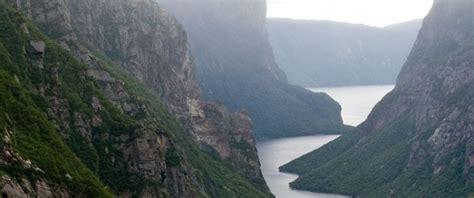
Gros Morne National Park, Newfoundland and Labrador: Recognized for its towering cliffs, deep fjords, and rugged terrain, this park gives nature lovers the chance to explore landscapes formed by ancient glaciers. Hiking enthusiasts can traverse the Gros Morne Mountain, while others may opt for a boat tour through the stunning Western Brook Pond, where sheer cliffs rise dramatically from the water.
Fogo Island, Newfoundland and Labrador: On this remote island, visitors can immerse themselves in local traditions, seaside tranquility, and a growing contemporary arts scene. The Fogo Island Inn, a stunning architectural marvel, offers a luxurious stay while promoting local culture and sustainability. Travelers can explore quaint fishing villages and partake in traditional activities like whale watching and iceberg tours.
The Island Walk, Prince Edward Island: A looping 700-kilometre trail lets walkers explore PEI’s coastal beauty, sandy beaches, and red clay backroads at their own pace. This immersive walking experience allows visitors to encounter the island’s stunning vistas and rich agricultural heritage, including stops at local farms and artisanal markets.
Cabot Trail, Nova Scotia: One of the world’s most picturesque drives, the trail wraps around Cape Breton with views of rolling hills, sea cliffs, and colorful fishing villages. Outdoor enthusiasts will find ample opportunities for hiking, biking, and exploring the vibrant Celtic culture that permeates the region, including traditional music and cuisine.
Bay of Fundy, New Brunswick: Known globally for the highest tides on Earth, this area invites exploration through kayaking, fossil hunting, and whale watching. The dramatic tidal changes reveal fascinating geological formations, making it a haven for both adventure seekers and history buffs.
Remote Northern Marvels
Dawson City, Yukon: A town straight out of the Gold Rush era, its wooden boardwalks, preserved saloons, and mining relics offer a step back in time. Visitors can learn about the Klondike Gold Rush at the Dawson City Museum or take part in a guided tour of historical sites, absorbing the rich stories of those who sought fortune in the rugged wilderness.
Yellowknife, Northwest Territories: With up to 240 nights a year of visible auroras, it’s one of the most reliable places in the world to view the northern lights. Beyond the spectacular night sky, Yellowknife is a gateway to Indigenous culture, offering experiences like ice fishing, dog sledding, and visiting local art galleries that showcase Indigenous craftsmanship.
Iqaluit, Nunavut: As Canada’s youngest capital, Iqaluit provides a rare window into Inuit traditions and life in the Arctic Circle. Here, visitors can engage in cultural experiences such as traditional drum dancing, storytelling, and tasting local delicacies, all while witnessing the breathtaking beauty of the Arctic landscape.
Western Landscapes and Wilderness
Haida Gwaii, British Columbia: Rich with Indigenous history and dramatic seascapes, these islands tell stories through totem poles, ancient forests, and cultural centers. Visitors can explore the Haida Heritage Centre at Kay Llnagaay, learning about the Haida Nation’s deep connection to the land and sea, or embark on guided eco-tours to witness the pristine natural environment.
Golden, British Columbia: Tucked in the Columbia Valley, this town serves as a basecamp to several national parks, offering everything from hiking to history. Thrill-seekers can indulge in outdoor adventures such as white-water rafting or paragliding, while history enthusiasts can visit the Golden Museum to learn about the area’s rich railway heritage.
Abraham Lake, Alberta: In the coldest months, this artificial lake becomes a winter photography hotspot, thanks to methane bubbles frozen beneath the ice. This surreal phenomenon creates stunning visual opportunities, attracting photographers and adventurers alike to experience its otherworldly beauty.
Grasslands National Park, Saskatchewan: A rare glimpse into the prairie ecosystem, this park features wide open skies, badlands, and roaming herds of bison. Visitors can hike the trails, enjoy birdwatching, or participate in educational programs that highlight the importance of preserving this unique landscape.
Churchill, Manitoba: Located along Hudson Bay, Churchill is one of the few places where travelers can see polar bears in the wild, as well as beluga whales in the summer. The town is renowned for its eco-tourism opportunities, including guided tundra tours and marine wildlife excursions, making it a prime spot for nature lovers.
Vibrant Urban Discoveries
Kensington Market, Ontario: Nestled in downtown Toronto, this neighborhood bursts with street art, vintage shops, multicultural eateries, and a creative energy that defies convention. A stroll through the vibrant streets reveals a tapestry of cultures, where visitors can sample international cuisines, shop for unique goods, and immerse themselves in the local arts scene.
Québec City, Québec: Enclosed by historic walls, Old Québec exudes charm with its stone buildings, narrow alleys, and French-inspired architecture. It’s the only city of its kind in North America, where the rich history is palpable, from the iconic Château Frontenac to the bustling Place Royale. Visitors can partake in seasonal festivals, explore quaint boutiques, and savor gourmet dining experiences that celebrate local flavors.
A Global Shift in Travel
The growing popularity of Canadian destinations is having ripple effects across the global tourism sector. As travelers increasingly seek places that offer genuine connections to nature and culture, Canada is answering that call with its wealth of options. This trend reflects a broader move away from mass tourism and toward more meaningful, immersive journeys. Destinations around the world are now observing this Canadian model, realizing that success lies in sustainability, local engagement, and a strong sense of place.
Travelers are no longer content with superficial experiences—they’re looking for places where heritage and natural beauty are preserved, and where tourism benefits the local community. From the ice bubbles in Alberta to the ancient traditions of Haida Gwaii, Canada’s destinations are as varied as they are compelling. What ties them all together is a commitment to authenticity, natural preservation, and community connection.
Final Thoughts: A Destination with a Future
Whether walking the red clay paths of PEI or spotting wildlife near the Arctic, visitors are discovering that Canada offers not just a place to visit—but a place to experience deeply. With the surge in both domestic and international interest, Canada is not just riding a wave of popularity—it is helping to shape the future of travel itself. As more people look inward for adventure and outward for inspiration, Canada stands ready, offering both.