In 2025, Europe’s tourism landscape has been irrevocably transformed as seven nations—Greece, Spain, Portugal, Italy, France, Croatia, and Iceland—shatter previous records for arrivals and revenue. Fueled by extended seasons, diversified source markets, and an unprecedented boom in short‑term rentals, these countries are setting a new global benchmark for post‑pandemic recovery and sustainable growth.
The seismic shift began in Greece, where January through May saw 6.3 million international air travelers, a 5.9% increase year‑on‑year that translates to over 350,000 additional visitors compared to 2024. More striking is the early surge in May, when 3 million arrivals (+5.3%) signaled that the Mediterranean’s fabled peak season is arriving weeks ahead of schedule, as travelers seek shoulder‑season advantages of fewer crowds and milder weather. By April, Greece had already recorded €2.16 billion in travel receipts (+10.6%), driven largely by non‑EU markets—which jumped 26% to €1.04 billion—proving that global demand is stronger and more diverse than ever.
This multi‑sector revival extends beyond Athens and Santorini. Regions like Crete welcomed 1 million visitors (+5.6%), the Dodecanese saw 786,000 arrivals (+3.3%), and the Ionian Islands attracted 547,000 travelers (+5.2%). Even the Peloponnese, once a secondary destination, surged 16%, validating strategic initiatives to disperse tourists away from overcrowded hotspots. The Cyclades bucked the trend with a 15.3% decline, a reminder that sustainability and crowd management remain critical challenges.
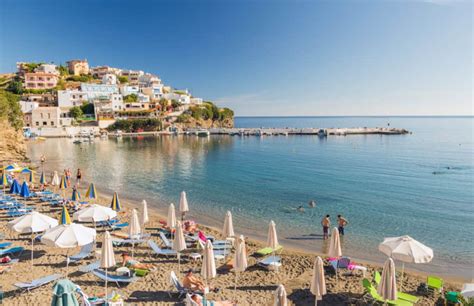
The short‑term rental market in Greece underscores travelers’ appetite for authentic experiences. Active units climbed from 228,000 in April to 236,000 in May, propelling the cumulative bed count past 1 million two months sooner than in previous years. This surge reflects a broader desire for flexible, personalized stays that immerse guests in local communities rather than sanitized resort enclaves.
Greece’s Urban and Island Highlights
Athens, the cradle of Western civilization, now rivals modern capitals in vibrancy. Visitors meander through Plaka’s labyrinthine alleys, marvel at the Acropolis by sunset, and dine at rooftop tavernas overlooking the city’s neon glow. Chania on Crete offers a Venetian harbor backdrop, where hidden coves and mountain villages beckon adventurous road‑trippers. In Nafplio, the Peloponnese’s romantic old town, Palamidi Fortress and Bourtzi Castle stand sentinel over azure bays, best enjoyed at dusk when crowds fade and local life takes center stage.
Spain’s Winter Sun and Cultural Boom
Spain’s tourism engine roared through Q1 2025 with 17 million international arrivals (+5.7%) and €23.5 billion in tourism revenue (+7.2%). The Canary and Balearic Islands lured sun‑seekers escaping colder climes, while Madrid and Barcelona cemented their status as cultural capitals, thanks to world‑class museums, culinary innovation, and dynamic nightlife. The World Travel & Tourism Council forecasts Spain’s sector could exceed €260 billion this year, buoyed by strong air, cruise, and rail connectivity and a commitment to sustainable travel that spreads benefits to inland provinces.
Spain’s Must-Visit Destinations
In Madrid, the Prado Museum and El Retiro Park draw art aficionados and casual strollers alike, while Mercado de San Miguel buzzes with tapas tasting into the night. Barcelona’s Gaudí masterpieces—Sagrada Família and Park Güell—continue to mesmerize architects and tourists, but savvy travelers are booking weeks ahead to avoid sold‑out tours. Seville, with its flamenco heritage and Moorish palaces, shines brightest during Feria de Abril, where orange‑scented streets come alive with dance and tradition.
Portugal’s Explosive Growth and Digital Nomad Appeal
Portugal, which welcomed 26.5 million tourists in 2023, is on track for even higher numbers in 2025. Tourism now represents nearly 50% of GDP growth in the early year, propelled by long‑haul visitors from the U.S. and Brazil and sustained intra‑European travel. Urban centers Lisbon and Porto report record RevPAR, while rural regions are capitalizing on the digital nomad trend, offering co‑working retreats and agritourism stays to travelers seeking slower paces and authentic immersion.
Portugal’s Iconic Stops
Lisbon’s tile‑clad hills and winding Tram 28 routes showcase pastel façades and panoramic river views. In Porto, baroque churches and wine cellars along the Douro River tempt oenophiles to linger, while Faro’s gateway role to the Algarve’s Ria Formosa lagoon system encourages boat tours and birdwatching excursions.
Italy’s North-to-South Renaissance
Italy’s tourism sector has rebounded spectacularly in 2025. Milan and Venice see luxury occupancy rates rivaling pre‑pandemic peaks, while the Amalfi Coast, Puglia, and Sicily are fully booked for the summer. In Rome, a calendar packed with exhibitions, festivals, and religious pilgrimages has extended visitor seasonality deep into autumn. Enhanced air links to North America and Asia are capturing a larger share of the long‑haul market, and short‑term rental hotspots—from Matera’s cave dwellings to Tuscan villas—are experiencing unprecedented demand, prompting municipalities to refine regulations that balance growth with neighborhood preservation.
Italy’s Historic and Cultural Gems
Rome remains an open‑air museum, where dawn visits to the Colosseum yield photos free of tour‑bus crowds. Florence, birthplace of the Renaissance, invites art lovers to pre‑book the Uffizi and savor gelato along the Arno at twilight. Matera’s Sassi caves offer a once‑in‑a‑lifetime stay in dwellings carved from limestone cliffs.
France’s Olympic Afterglow and Rural Resurgence
France posted a 6% rise in Q1 tourism receipts as the Paris Olympics’ infrastructural legacy ripples across the country. Paris’s world‑renowned attractions remain packed, but regions such as the Riviera, Lyon, and Provence are capitalizing on off‑season travelers seeking countryside retreats. Enhanced rail networks and upgraded airports are dispersing visitors, while family‑friendly rentals, cycling tours, and heritage hotels cater to niche interests beyond the capital.
France’s Quintessential Experiences
In Paris, the Musée d’Orsay and hidden gems like the Musée Rodin offer respite from crowds. Nice blends seaside leisure with urban flair, just a train ride from medieval Èze. Lyon’s gastronomic reputation is on full display in its revisited bouchons and vibrant food markets.
Croatia’s Year-Round Transformation
Named Europe’s #1 destination at ITB Berlin, Croatia attracted nearly 20 million visitors in 2024 and expects more in 2025. Tourism contributes around 20% of GDP, supported by targeted campaigns in the U.S. and Germany. Airlines and cruise lines have expanded routes to Split, Dubrovnik, and Rijeka, while inland nature lodges and digital nomad hubs in hilltop villages signal a shift toward year‑round appeal.
Croatia’s Coastal and Urban Treasures
Dubrovnik’s medieval walls overlook the Adriatic, best explored at dawn before cruise arrivals. Split blends Roman heritage with beach life, serving as a base for island‑hopping to Hvar and Brač. Zagreb’s quirky museums and autumn festivals make it a perfect off‑peak city break.
Iceland’s Sustainable Slow-Travel Model
Iceland’s tourism forecast calls for 8.4 million passengers through Keflavík Airport in 2025, alongside a 10% rise in VAT revenue. The nation’s emphasis on small‑group eco‑tours, geothermal experiences, and rural guesthouses in the Westfjords, Snæfellsnes, and East Iceland is successfully redirecting visitors from Reykjavík and preserving delicate ecosystems.
Iceland’s Natural Wonders
Reykjavík’s cultural quarter, with Harpa Concert Hall and vibrant murals, complements geothermal spas like Sky Lagoon. In Akureyri, travelers chase waterfalls and whale‑watching tours, while Vík’s black sand beaches and dramatic cliffs beckon photographers and adventurers alike.
As 2025 unfolds, these seven nations underscore that tourism recovery is more than a return to past figures—it’s a reinvention of how, when, and where people travel. Through strategic infrastructure investments, market diversification, and an embrace of the short‑term rental revolution, Europe’s tourism leaders are not just thriving—they are crafting the blueprint for the future of global travel.