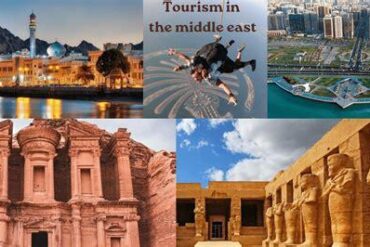
The Middle East is on the cusp of a remarkable transformation in its tourism sector, fueled by a concerted effort from key players like Dubai, Saudi Arabia, and Egypt. As these nations strategically innovate and enhance their infrastructure, the region is poised to redefine its role on the global travel stage. According to the ATM Travel Trends Report 2025, the Middle East is anticipating a dramatic surge in tourism spending, projected to reach around $350 billion by 2030, reflecting a 50% increase compared to 2024 levels. This growth trajectory is not merely a rebound from past challenges but a significant leap forward, indicative of the region’s ambitious national visions and innovative development projects.
Between 2025 and 2030, the travel market in the Middle East is forecasted to grow at an impressive annual rate of over 7%. If this trend continues, the travel expenditure of 2024 will surpass the pre-pandemic levels of 2019 by 54%, showcasing the resilience and revitalization of the sector. This consistent upward movement illustrates that the Middle East is not just recovering; it is fundamentally reshaping its position within the global tourism landscape, making it an attractive destination for travelers worldwide.
The driving force behind much of this growth is the influx of international travelers. The region anticipates a 13% annual increase in international arrivals until 2030, with European countries currently accounting for half of all leisure travel into the Middle East. Notably, India and the United Kingdom are among the leading source markets, delivering a steady stream of tourists drawn by the evolving attractions and enhanced accessibility of the region. Furthermore, China is projected to make significant strides, with leisure travel expenditure expected to soar by 130% by 2030. The anticipated doubling of tourism nights from Asia Pacific and Africa underscores the region’s growing appeal and cultural diversity, enriching the travel experience for visitors.
In addition to inbound tourism, Saudi Arabia and Egypt have emerged as significant sources of outbound travelers, with many Middle Eastern tourists venturing abroad for long-haul vacations. Popular destinations include Thailand and the United Kingdom, highlighting the strengthening ties between the Middle East, Asia, and Europe. This dynamic flow of travel reflects a shift in patterns, as the Middle East increasingly serves as both a sender and receiver of tourists, fostering a rich tapestry of cross-cultural exchanges.
At the heart of this transformation lies the aviation sector. The top four airlines in the region have collectively ordered approximately 780 new aircraft, marking a robust expansion of aviation capabilities. This strategic move is not merely about increasing capacity; it represents a vision to position the Middle East as a global aviation hub. With an uptick in aircraft comes enhanced flight frequencies, new international routes, and improved travel experiences, making the region more accessible than ever for both leisure and business travelers. Such advancements signal a broader initiative to capture a larger share of global air travel traffic, establishing the Middle East as a key player in international aviation.
The Middle East is also emerging as a preferred destination for business events, with spending on business-related travel projected to grow 1.5 times faster than the global average through 2030. This rapid expansion supports the region’s burgeoning reputation for hosting major international conferences, exhibitions, and trade fairs. The rise in corporate travel is expected to boost ‘bleisure’ trips—a blend of business and leisure travel—encouraging longer stays and additional spending. This hybrid approach allows travelers to engage more leisurely with host cities, offering opportunities for cultural exploration beyond typical business engagements.
The anticipated transformation within the Middle East’s tourism ecosystem extends far beyond regional implications; it bears significant global consequences. As the region becomes a focal point for increased travel, international airlines, hotels, tour operators, and hospitality providers must adapt to shifting dynamics. Areas where adjustments are expected include:
- Redesigning flight routes to accommodate increased demand
- Scaling hotel capacities to meet the rising numbers of travelers
- Expanding cultural tourism offerings to engage a diverse array of visitors
- Upgrading tourism infrastructure to respond effectively to new traffic flows
This evolution necessitates that global travel brands remain agile and responsive to the shifting center of gravity in international tourism. The Middle East is no longer perceived as a mere stopover or secondary destination; it is fast becoming a primary hub for global tourism, business events, and aviation activities.
As the region embarks on this monumental renaissance, deliberate planning, substantial investments, and a strong commitment to building world-class connectivity are essential. The years between 2025 and 2030 are pivotal, with governments, investors, and travel professionals keenly observing how the region rolls out initiatives that promote sustainable tourism, attract diverse international markets, and stimulate economic growth tied directly to travel. In summary, the Middle East is not just transforming the way the world travels; by 2030, it may very well emerge as one of the most influential players in the entire industry.