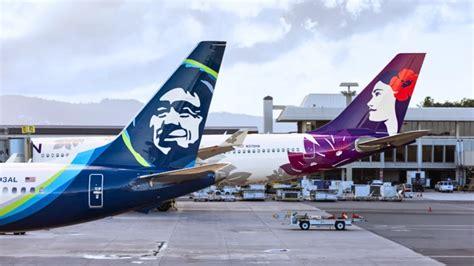
Hawaiian Airlines may be best known for its inter-island and U.S. mainland routes, but its international operations form a robust and strategic component of its overall network. In 2025, the carrier maintains strong trans-Pacific connections, with Honolulu (HNL) acting as the central hub to destinations across Northeast Asia, Oceania, and the South Pacific. These routes not only sustain tourism but also reinforce deep-rooted economic and cultural relationships between Hawaii and its Pacific neighbors.
The airline’s top 10 international routes showcase its high-capacity corridors, especially to Japan, which dominates the chart with multiple high-frequency services. Here, we analyze these routes in detail, examining their frequency, capacity, significance, and strategic role within Hawaiian Airlines’ global strategy.
Tokyo Haneda to Honolulu: The Undisputed Leader
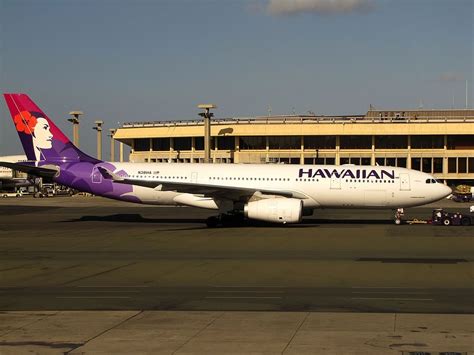
The Tokyo Haneda (HND) – Honolulu (HNL) route remains Hawaiian Airlines’ busiest international service by every metric. With 124 monthly flights, this route delivers 34,472 seats and generates an impressive 132,855,088 available seat miles (ASMs) monthly. These figures highlight the enduring popularity of Hawaii among Japanese travelers and the route’s vital contribution to Hawaiian’s long-haul capacity.
Tokyo Haneda’s central location in the Japanese capital, combined with its accessibility and status as a premium international gateway, makes it the ideal launch point for both leisure and business travelers headed to Hawaii. The airline’s consistent deployment of the Airbus A330-200 on this route ensures passenger comfort on the 8+ hour journey.
Honolulu to Osaka Kansai: A High-Volume Secondary Japanese Route
Coming in second is the Honolulu – Osaka Kansai (KIX) route with 62 monthly flights, offering 17,236 seats and over 70.9 million ASMs. This route caters primarily to western Japan, tapping into Osaka’s large urban population and its surrounding regions, including Kobe and Kyoto. Hawaiian’s long-standing presence in Kansai has helped it cultivate a loyal following through localized service offerings and code-sharing agreements with Japanese carriers.
Osaka serves not only leisure traffic but also benefits from a strong visiting friends and relatives (VFR) market, reinforcing its relevance in Hawaiian’s Pacific blueprint.
Honolulu to Sydney: Australia’s Gateway to Paradise
The third spot belongs to the Honolulu – Sydney (SYD) connection. With 46 flights monthly and nearly 13,000 seats, this route contributes over 64.7 million ASMs. It is the busiest non-Asian international route in Hawaiian Airlines’ network and has historically served as a strong leisure and diaspora link between Australia and Hawaii.
The route’s long distance—requiring over 10 hours of flight time—makes it a natural candidate for Hawaiian’s A330 fleet. Post-pandemic, demand has resurged strongly from Australia, buoyed by relaxed visa regimes and the appeal of Hawaii as a mid-point holiday destination.
Honolulu to Seoul Incheon: Anchoring Korean Connections
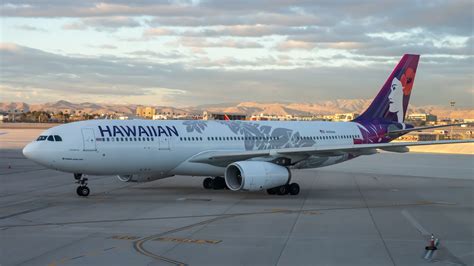
South Korea’s capital is Hawaiian Airlines’ strongest non-Japanese Asian market. The Honolulu – Seoul Incheon (ICN) route operates 45 times per month, supporting 12,510 seats and 57.2 million ASMs. Korean demand for Hawaii has grown consistently, driven by increased cultural tourism, student exchanges, and expanded marketing partnerships with Korean travel agencies.
This route’s performance also reflects Hawaii’s growing popularity among younger South Koreans, especially for honeymoon travel and Hallyu (Korean Wave) fans seeking a cultural blend of East and West.
Tokyo Narita to Seattle: Hawaiian’s Fifth Freedom Wildcard
Unusually, the Tokyo Narita (NRT) – Seattle (SEA) route ranks fifth in Hawaiian Airlines’ international network with 39 monthly flights and 51.7 million ASMs. However, this route doesn’t touch Hawaii directly. Operated via fifth freedom rights, it allows Hawaiian to move passengers between Japan and the U.S. mainland, capitalizing on underutilized aircraft time and demand between two major markets.
While peripheral to its Honolulu-focused model, this route demonstrates Hawaiian’s strategic adaptability and interest in exploiting international aviation treaties.
Fukuoka to Honolulu: Regional Japan Still Matters
With 26 monthly flights, 7,228 seats, and over 31.7 million ASMs, the Fukuoka – Honolulu link represents Hawaiian’s continued commitment to serving regional Japanese cities beyond Tokyo and Osaka. Fukuoka, the largest city in Kyushu, provides a valuable source of outbound tourists, many of whom prefer direct links to Hawaii rather than connecting through Tokyo.
The route benefits from Hawaiian’s in-language services, including Japanese-speaking crew, inflight menus, and a culturally tailored experience. This localization has paid off in customer loyalty and brand equity in the region.
Honolulu to Tokyo Narita: Still Holding Relevance
Despite Tokyo Haneda’s dominance, the Honolulu – Tokyo Narita route maintains a notable presence with 23 monthly flights, 6,394 seats, and 24.4 million ASMs. Narita remains an important airport for certain traveler segments, particularly those originating from Japan’s Chiba and Ibaraki prefectures, and for connecting passengers flying on budget carriers that still use Narita as their main hub.
Hawaiian’s strategy to operate both Haneda and Narita flights ensures market segmentation and maximum reach within the sprawling Tokyo metropolitan area.
Honolulu to Tahiti: Bridging Polynesian Cultures
Although smaller in scale, the Honolulu – Papeete (PPT) service is deeply symbolic. With 10 flights monthly, 2,780 seats, and 7.6 million ASMs, this route embodies Hawaiian’s commitment to its Polynesian heritage.
Passengers traveling between French Polynesia and Hawaii benefit from direct access, bypassing longer routing through Auckland or Los Angeles. This route helps strengthen cultural ties, tourism, and even academic collaboration between these distant yet kindred island societies.
Honolulu to Rarotonga: Niche, but Strategic
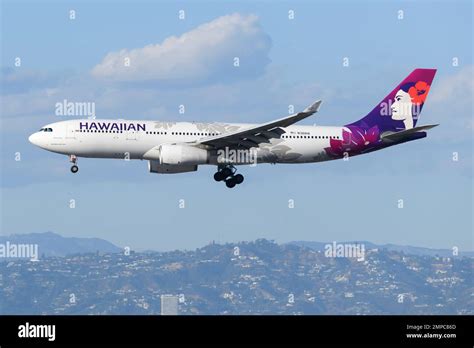
At the bottom of the top 10 is the Honolulu – Rarotonga (RAR) route with 9 monthly flights, 1,701 seats, and nearly 5 million ASMs. Though small in volume, it is strategically significant. It gives Hawaiian Airlines exclusive access to the Cook Islands among U.S. carriers and solidifies its branding as the link between Pacific islands.
For travelers from the U.S. mainland, this connection provides rare and direct access to remote Polynesian paradises, expanding Hawaiian’s role beyond commercial air travel into that of a cultural ambassador.
A Network of Depth, Not Breadth
While Hawaiian Airlines does not operate a vast international network like major U.S. legacy carriers, it punches above its weight by concentrating on markets with proven demand, cultural relevance, and repeat visitation patterns.
The carrier’s ability to maintain high frequency on key Asian routes, especially to Japan, is indicative of deep market penetration. With most flights operating on widebody A330 aircraft, the airline ensures premium capacity and reliability on long-haul segments. Each route plays a strategic role in shaping Hawaiian’s position as a premium leisure airline with a Pacific identity.
Looking ahead, the arrival of the Boeing 787 Dreamliner into the fleet could enable further expansion or optimization of existing services. Longer range, better fuel efficiency, and next-generation comfort will allow Hawaiian to explore new Asian markets or improve margins on current routes.
For now, the airline’s international game is one of refinement, cultural alignment, and smart deployment of resources, all deeply rooted in the spirit of aloha.
Conclusion: Hawaiian Airlines’ Global Thread
In 2025, Hawaiian Airlines’ international routes offer more than just travel options—they represent economic lifelines, cultural bridges, and strategic air corridors connecting the U.S. with Asia and Oceania. Whether it’s the bustling Tokyo–Honolulu corridor or the niche Cook Islands service, each route reflects decades of intentional network planning and a deep understanding of Pacific travel dynamics. As it charts a future with new aircraft and post-pandemic resurgence, Hawaiian Airlines remains firmly positioned as the gateway between the Pacific and paradise.