Choosing the best helicopter simulator in 2025 is no small task. With rapid advancements in graphical fidelity, flight dynamics, and virtual reality support, the current flight sim landscape is brimming with compelling options. While older simulators like FSX and lesser-developed platforms have faded into obsolescence, several modern contenders stand tall. Among them, Microsoft Flight Simulator (MSFS 2020) and X-Plane 12 have emerged as the most comprehensive and technically robust environments for rotary-wing flight. This article delivers an exhaustive exploration of each simulator’s strengths, limitations, and overall utility in providing the most realistic helicopter experience.
Microsoft Flight Simulator (2020): The Visual Benchmark for Helicopter Flight
Launched in 2020, Microsoft Flight Simulator 2020 quickly redefined industry standards with its awe-inspiring global scenery and satellite-based terrain data. Since its 40th Anniversary Update in November 2022, helicopters have become a fully supported aircraft category, and their implementation is only improving with each update. The default Bell 407 and Guimbal Cabri G2 showcase the platform’s growing sophistication in vertical flight dynamics.
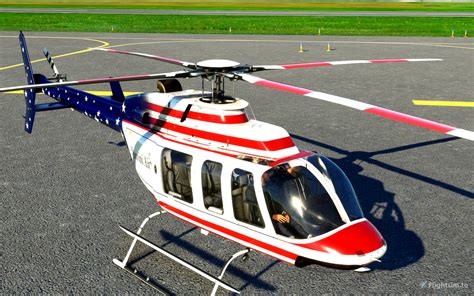
The simulator’s key appeal lies in its photo-realistic environments, driven by Bing Maps data and enhanced with AI-generated 3D structures. Urban density, terrain variation, and weather fidelity make for deeply immersive flights. From low-altitude skimming across New York rooftops to threading valleys in the Alps, MSFS offers unparalleled scenery for rotorcraft pilots.
Moreover, the simulator continues to evolve. With over 35 updates improving everything from core engine functionality to regional detail, users benefit from a living, breathing platform. Multiplayer is native and seamless, interactive cockpits are deeply detailed, and the add-on ecosystem provides everything from military-style helis to search-and-rescue scenarios.
Advantages of MSFS 2020 for Helicopter Pilots:
- Exceptional visuals and global scenery for VFR operations
- Strong VR implementation with responsive controls and cockpit immersion
- Extensive marketplace and third-party support
- Native multiplayer for cooperative missions or casual flying
- Long-term developer support and continuous evolution
However, MSFS is not without drawbacks. It demands powerful hardware and stable internet for optimal performance. Flight dynamics, while improving, are still maturing in comparison to specialist platforms.
X-Plane 12: The Gold Standard in Flight Dynamics
Where Microsoft Flight Simulator dazzles with visuals, X-Plane 12 impresses with sheer aerodynamic accuracy. Developed by Laminar Research, the simulator is renowned for its blade-element theory approach to physics, offering nuanced, responsive flight behavior — especially vital for helicopters, where rotor dynamics are complex and variable.
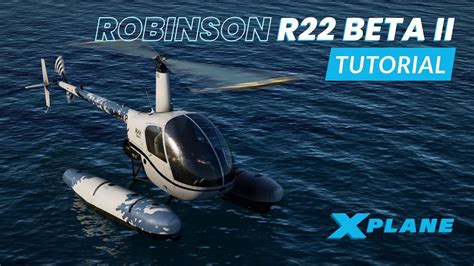
The default Robinson R22 in X-Plane 12 has earned widespread praise for capturing the light helicopter’s real-world tendencies, including translational lift, vortex ring states, and realistic autorotation behavior. For pilots prioritizing training or real-world crossover, this makes X-Plane 12 a superior educational tool.
The latest version introduces photometric lighting, volumetric clouds, wake turbulence, and a completely revamped weather engine. Seasonal effects and improved vegetation make for a more atmospheric world, though the terrain detail still lags behind MSFS. VR support exists, but performance remains inconsistent, particularly on mid-tier systems.
Why X-Plane 12 Stands Out for Helicopter Simulation:
- Best-in-class flight dynamics grounded in real aerodynamic modeling
- Highly accurate default helicopters ideal for procedural training
- Open development and mod-friendly architecture
- Free demo available for new users to evaluate performance
Nevertheless, X-Plane’s global scenery feels dated in comparison, and users often need to rely on third-party scenery packages to achieve visual parity with MSFS. VR optimization, while present, does not yet match the frame rate stability of its competitor.
Digital Combat Simulator (DCS): Elite Combat Simulation with Helicopter Depth
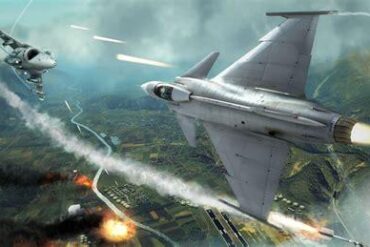
Digital Combat Simulator (DCS) World is the undisputed king of combat flight realism. Though its primary focus is military aviation, its helicopter modules — including the AH-64D Apache, Mi-24P Hind, and Ka-50 Black Shark — are among the most detailed and physically accurate simulations available to civilians.
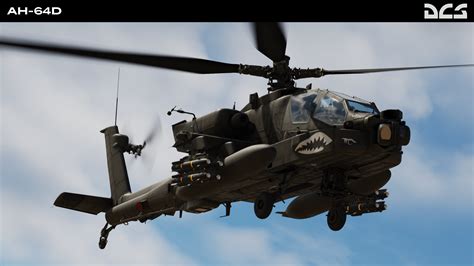
These modules boast deep system modeling, from TADS targeting to engine startup sequences and damage modeling. DCS’s powerful mission editor allows for custom training flights, co-op sorties, or dynamic campaigns. VR performance is solid, delivering an intense, immersive experience.
However, its military exclusivity, limited terrain (non-global), and steep learning curve restrict its appeal. Additionally, the full feature set is generally found in the Open Beta version, where stability is not always guaranteed.
For the helicopter enthusiast willing to invest time and money into the platform, DCS is an extraordinary technical achievement — but it is not a one-size-fits-all solution.
Lockheed Martin Prepar3D v6: Aging Gracefully but Falling Behind
Prepar3D (P3D) v6, based on the legacy ESP platform, has seen minimal innovation in helicopter dynamics since 2019. While visually updated and compatible with a wide library of add-ons, the default rotary-wing models remain underwhelming.
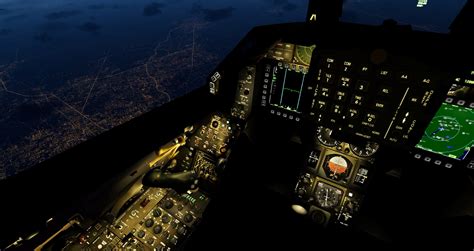
SDK customization allows developers to create accurate aircraft, but out-of-the-box, helicopters lack the finesse seen in newer sims. Global scenery is present but dated. VR is supported but unremarkable.
Though once a staple in flight training and commercial setups, P3D’s current value proposition for helicopter pilots is weak, especially with MSFS and X-Plane offering superior realism.
FlightGear: A Free and Open Helicopter Playground
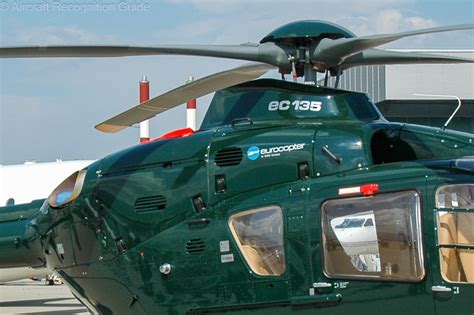
For budget-conscious simmers, FlightGear offers surprising capabilities. This open-source simulator supports a range of community-developed helicopters with respectable flight modeling. However, the user interface is dated, the world scenery lacks detail, and no VR support is available.
The simulator’s complexity and technical setup deter casual users, and irregular update cycles mean fewer enhancements over time. Still, it offers free access to global scenery and a unique platform for experimentation and learning.
Aerofly FS 4: Impressive Flight Feel, Limited World
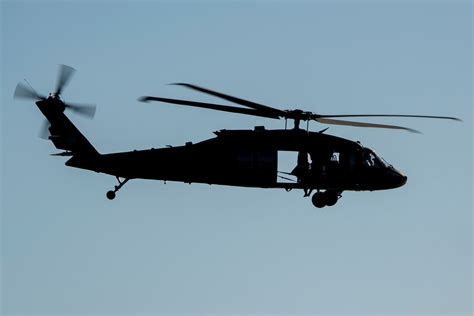
Aerofly FS 4 delivers outstanding helicopter flight modeling — the R22, H135, and UH-60 Black Hawk fly with intuitive responsiveness and convincing rotor behavior. The sim’s performance in VR is stellar, maintaining high frame rates even on mid-range systems.
Yet, the world feels hollow. There’s little air traffic, no live weather, and minimal dynamic activity. Scenery coverage is restricted, and environmental storytelling is absent. Despite its great handling, the sim lacks the immersive depth modern pilots expect.
Arma III: Tactical Helicopter Gameplay, Not True Simulation
Arma III integrates helicopters into its sandbox-style combat environment. With the Advanced Flight Model, helicopters feel more believable, especially during tactical operations like insertion, close air support, and medevac.
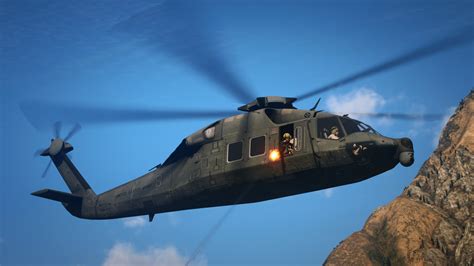
Multiplayer interactions are rich, with combined arms gameplay offering a different kind of thrill. But as a true helicopter simulator, Arma falls short. Systems are simplified, map size is limited, and there’s no VR support or global terrain.
Final Verdict: Microsoft Flight Simulator Reigns Supreme
After extensive evaluation of all major helicopter-capable simulators, two clear finalists emerge: X-Plane 12 for unmatched flight realism, and Microsoft Flight Simulator 2020 for breathtaking visuals, VR fidelity, and a thriving ecosystem.
Each has merits depending on the user’s intent. Pilots prioritizing procedural training and system depth should look to X-Plane. However, for the most complete and balanced experience, Microsoft Flight Simulator stands out as the best helicopter simulator of 2025.
Its growing list of compatible helicopters, visual majesty, smooth VR implementation, and regular updates make it the go-to platform for both newcomers and seasoned simmers alike. As new modules, hardware, and technologies integrate into the ecosystem, MSFS is poised to lead the next generation of rotorcraft simulation.