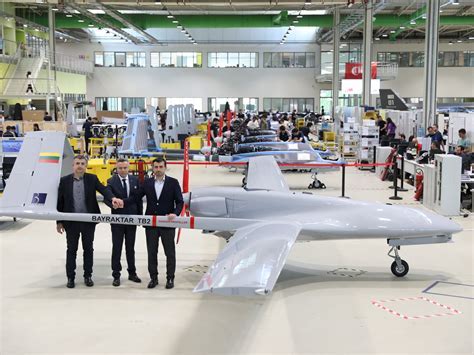
In the rapidly shifting landscape of modern warfare, Turkey has emerged as a pivotal force, reshaping the future of combat with its next-generation military drones infused with artificial intelligence (AI). At the heart of this revolution is Baykar Technologies, the Istanbul-based aerospace manufacturer responsible for crafting some of the world’s most advanced unmanned aerial vehicles (UAVs), including the now-iconic Bayraktar TB2.
Baykar’s drones, once seen as niche assets, are now widely regarded as transformative tools on the battlefield. Their strategic role in the Ukraine-Russia conflict has catapulted the company into global prominence, especially after footage revealed Ukrainian drone strikes disabling valuable Russian bombers and intelligence aircraft.
The Rise of Baykar and the TB2’s Battlefield Impact
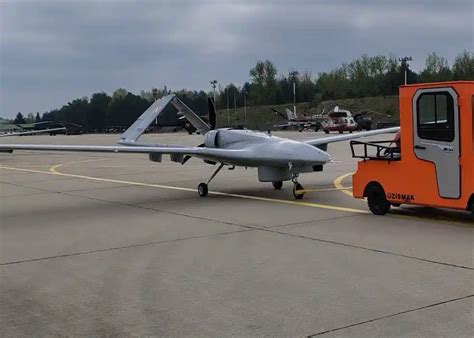
When Ukraine was reeling from Russia’s overwhelming military pressure in the early days of the invasion, the Bayraktar TB2 emerged as a symbol of resistance and ingenuity. Flying low and armed with precision-guided munitions, the TB2 executed key strikes that disabled armored convoys, radar systems, and even warships. These cost-effective drones, equipped with high-resolution optics and capable of autonomous flight, proved that superior strategy could level the technological playing field.
Unlike commercially available quadcopters often used for tactical surveillance or kamikaze attacks, Baykar’s drones are purpose-built for high-end military operations. With operational ceilings exceeding 25,000 feet and endurance surpassing 24 hours, the TB2 exemplified the power of Turkish engineering on the global defense stage.
AI Takes Center Stage in Next-Gen Combat Drones
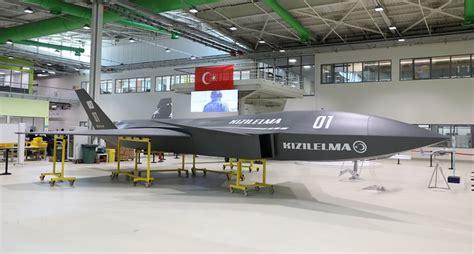
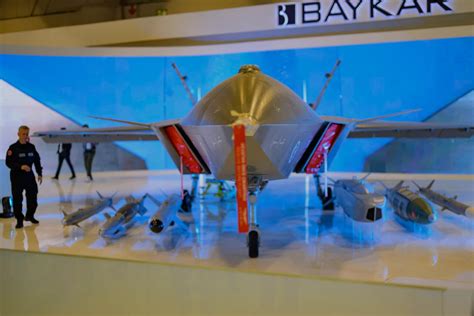
Baykar is now moving beyond conventional drone capabilities into an era defined by machine learning, onboard autonomy, and intelligent decision-making systems. The latest models, such as the forthcoming Bayraktar Kızılelma — a jet-powered unmanned fighter aircraft — are being outfitted with integrated AI systems capable of navigating complex combat scenarios with minimal human input.
“AI will transform warfare into three-dimensional chess,” declared Baykar Chairman Selçuk Bayraktar. “If you can program air combat like a chess match, the machine becomes far superior.”
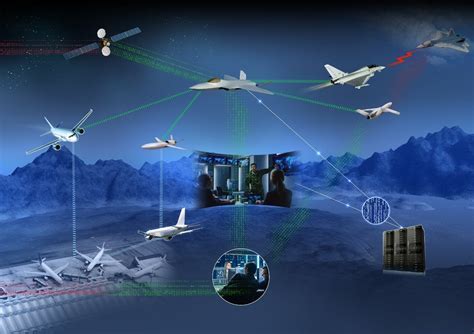
These advancements mark a tectonic shift in the doctrine of aerial warfare. AI enables drones to conduct real-time threat analysis, adapt to enemy countermeasures, and optimize flight paths without direct operator control. But despite the potential for autonomous targeting, Bayraktar emphasized a moral boundary: human operators will remain in control of lethal decisions.
Stealth, Speed, and Autonomy: The Features of Baykar’s AI Drones
The Kızılelma, currently undergoing testing in the Black Sea region, is set to revolutionize carrier-based operations. Capable of launching from short-deck naval platforms, this stealthy drone represents a leap forward in unmanned combat air vehicle (UCAV) architecture. Its specifications include:
- Jet propulsion allowing for speeds up to Mach 0.9
- Low radar cross-section with advanced composite materials
- AI-enabled dogfight algorithms for air-to-air engagements
- Multi-mission versatility: air-to-ground strikes, surveillance, and electronic warfare
Strategic Consequences for Regional and Global Power Balances
The implications of Turkey’s technological edge stretch far beyond its borders. Baykar’s products have not only strengthened Ukraine’s defense but also provided Middle Eastern, Central Asian, and North African nations with access to top-tier combat UAVs without dependency on Western suppliers.
Turkey’s drone diplomacy has recalibrated geopolitical relationships. Nations such as Qatar, Azerbaijan, and Poland have signed multi-million-dollar contracts with Baykar, enhancing their tactical arsenals and reshaping regional deterrence postures. By bridging affordability and sophistication, Turkey has undercut Western defense giants and provided an alternative to U.S. and Israeli drone systems.
Ethical Boundaries and the Human Decision Loop
Despite Baykar’s advancements in autonomous systems, the ethical considerations surrounding AI in warfare remain at the forefront of public discourse. As international treaties lag behind technological innovation, the question arises: Can a machine truly comprehend the human cost of pulling the trigger?
Bayraktar insists that the company draws a firm line: “The operator must always be in charge of firing decisions. AI can guide, but not decide.” This stance reflects a broader industry consensus, shared by military ethicists and international observers, that full autonomy in lethal engagements poses unacceptable moral and strategic risks.
Drone Warfare and the Collapse of Traditional Hierarchies
One of the most telling aspects of modern drone warfare is how it empowers smaller or less wealthy nations to resist larger, better-funded adversaries. In Ukraine, drones have shifted the balance of engagements, neutralizing expensive Russian aircraft, command vehicles, and even naval vessels at a fraction of the cost.
These asymmetric capabilities are particularly crucial for nations facing existential threats. As seen in Syria, Libya, and Nagorno-Karabakh, drone dominance can achieve strategic objectives that previously required massive ground forces or foreign intervention. AI-enabled UAVs now promise to accelerate this decentralization of power, giving rise to a new era of military competition defined not by fleet size, but by data, software, and precision.
Ukraine, Russia, and the New Cost of War
The brutal calculus of the Ukraine war continues to shock observers. According to the Center for Strategic and International Studies, Russia has sustained nearly one million military casualties, including up to 250,000 deaths. These figures eclipse losses in any post-WWII Soviet conflict, underscoring the devastating effectiveness of low-cost, high-impact tools like drones.
Ukrainian forces, too, have borne a staggering burden — between 60,000 and 100,000 military deaths and 400,000 total casualties, a testament to the fierce and grinding nature of the conflict. Yet drones remain one of Kyiv’s few enduring advantages, delaying Russian advances and disrupting logistical chains with minimal Ukrainian exposure.
From Prototype to Doctrine: The Arms Race Begins
Baykar’s unveiling of AI-powered drones has ignited an arms race among global military powers, with each seeking to dominate the air through smarter, faster, and deadlier machines. While the U.S., China, and Israel continue their own classified programs, Turkey’s openness in field testing and export sales has made it a formidable and transparent player in next-gen warfare.
As adversaries race to adapt, analysts warn of a world in which AI dogfights, autonomous swarms, and real-time battlefield simulations define the next major war. The physical scale of conflict may shrink, but the velocity, complexity, and psychological impact will grow exponentially.
Conclusion: Turkey at the Vanguard of AI-Driven Warfare
In a decade that may be remembered for the robotization of the battlefield, Turkey’s Baykar Technologies stands at the cutting edge. By fusing advanced drone architecture with carefully constrained artificial intelligence, Baykar is not only revolutionizing how wars are fought — it is reshaping the rules of engagement and challenging the assumptions of military superpowers.
As conflicts like Ukraine continue to evolve under the shadow of AI, the question remains not whether these technologies will define the future, but who will control them — and under what ethical frameworks.
Baykar’s philosophy — to maintain human judgment in the loop while embracing the full potential of autonomous warfare — may ultimately determine whether AI becomes a tool of deterrence or escalation in the 21st century’s most volatile theaters.