NASA’s latest leap in aerospace innovation could mark the beginning of the end for the discomfort and instability that turbulence brings. In a joint venture with Boeing, the agency is exploring a revolutionary flexible wing design that acts not only as a structural innovation but as a dynamic aerodynamic buffer against turbulent airflows. With thinner, longer, and more pliable wings, this new generation of aircraft could usher in a smoother, more fuel-efficient era of commercial aviation.
The Evolution of Flight: From Rigid to Adaptive Wings
Conventional aircraft wings, rigid and relatively short, are reaching their aerodynamic limits. In contrast, NASA’s Integrated Adaptive Wing Technology Maturation program aims to transform how we fly. These new high-aspect-ratio wings are deliberately designed to be longer and more slender, minimizing drag and capitalizing on natural airflow for better performance. But unlike past designs, they introduce a calculated flexibility that can absorb and neutralize the atmospheric disturbances responsible for in-flight shaking.
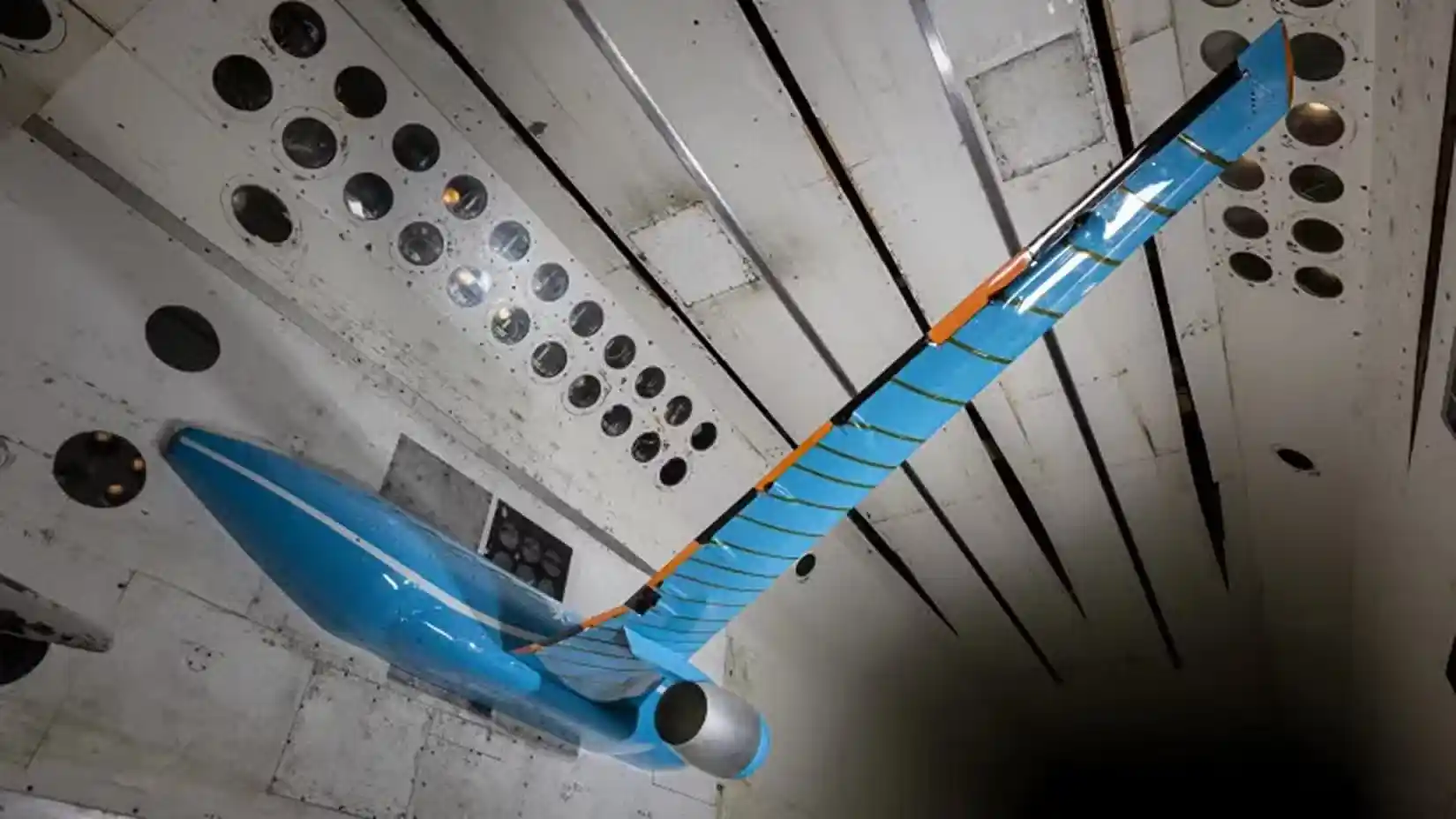
The collaboration is rooted in extensive wind tunnel experiments at NASA’s Langley Research Center in Hampton, Virginia. Here, researchers test how the wings respond under various stress scenarios—especially during turbulence and maneuvering. Jennifer Pinkerton, a seasoned aerospace engineer at NASA Langley, emphasizes the importance of understanding the aeroelastic behavior: “When you have a very flexible wing, you’re getting into greater motions. Things like gust loads and maneuver loads can cause even more of an excitation than with a smaller aspect ratio wing.”
Harnessing Flexibility Without Compromising Stability
In aviation, flutter is the enemy of safety. It’s a violent phenomenon where the wing vibrates uncontrollably, triggered by airflow engaging with the wing’s natural frequencies. The more flexible a wing is, the more prone it becomes to such destabilizing behavior—unless it is meticulously engineered.
NASA and Boeing are meticulously evaluating these dynamics through a series of controlled wind tunnel tests. Their goal is not just to measure—but to predict and eventually neutralize flutter through adaptive control systems embedded in the wings. These systems could actively alter the shape or tension of a wing during flight, reducing instability and maintaining passenger comfort even during severe turbulence.
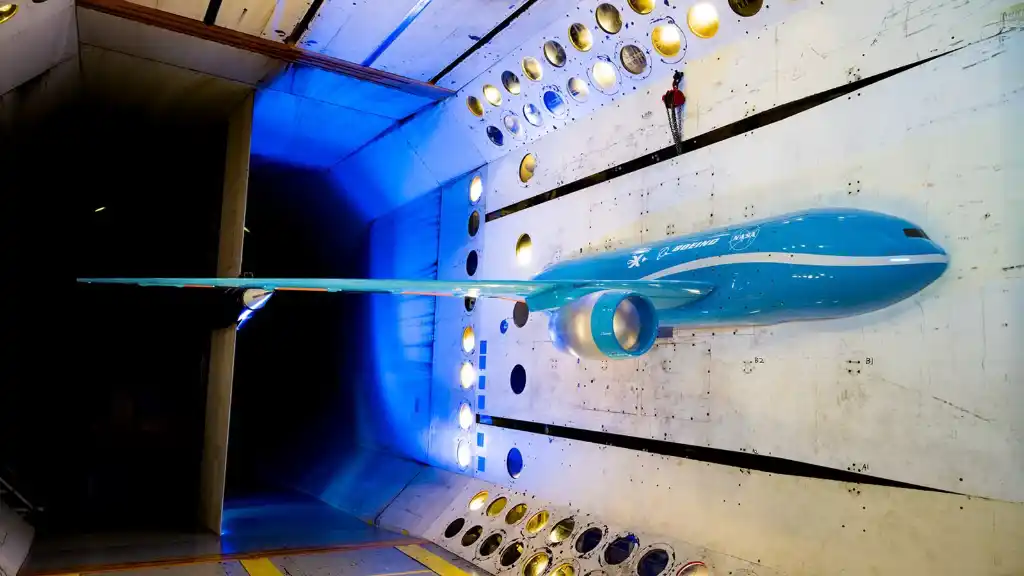
Within NASA Langley’s Transonic Dynamics Tunnel—a 16-by-16-foot facility capable of simulating high-speed airflow over large-scale models—engineers are putting these futuristic wings through their paces. The test setup includes precision sensors to capture real-time structural responses. From gust loads to simulated aggressive flight turns, the flexible wing undergoes rigorous assessments that would be impractical or too risky on full-size aircraft.
Shrinking Down to Scale, Expanding Insight
To make testing feasible, NASA partnered with NextGen Aeronautics to build a scaled-down aircraft model. This miniature marvel replicates the right-hand side of a conventional airplane, complete with a 13-foot flexible wing that responds authentically to wind tunnel conditions. Mounted inside the Langley facility, it becomes the centerpiece of turbulence mitigation research.
Initial tests in 2024 provided essential baseline data—a vital reference point for future optimizations. Over successive test rounds, engineers introduced subtle refinements, adjusting materials, wing configurations, and control mechanisms. The results have been promising. The latest experimental data confirms a significant reduction in wing vibration amplitude, pointing toward practical applications for real-world aviation.
Toward a Quieter, Greener, Smoother Future
By controlling aeroelastic response, flexible wings offer dual benefits: enhanced fuel efficiency and superior passenger experience. Reduced drag directly translates to lower fuel consumption—addressing one of aviation’s most pressing sustainability challenges. Additionally, smoother rides could drastically reduce motion discomfort and anxiety for travelers.
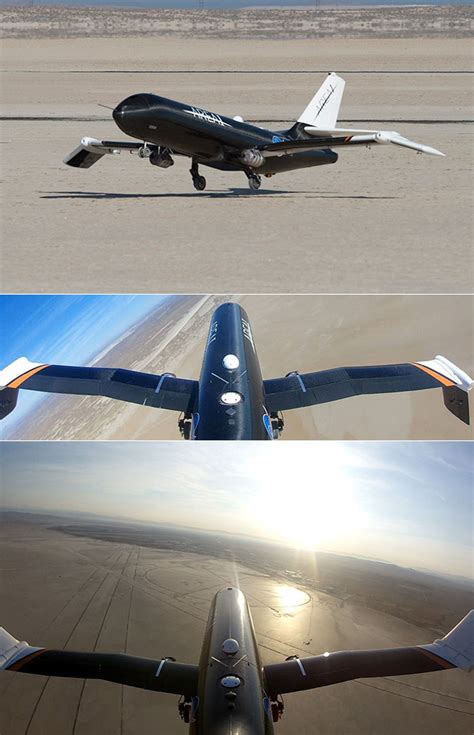
NASA’s Advanced Air Transport Technology project, part of the Advanced Air Vehicles Program, is now laying the foundation for integrating these findings into commercial aircraft. Future prototypes may incorporate sensors and smart actuators embedded within the wing to create real-time adaptive behavior, similar to how bird wings adjust to wind conditions mid-flight.
Beyond Turbulence: A Broader Impact on Aircraft Design
The ramifications of this technology extend beyond turbulence mitigation. By pushing the boundaries of aeroelastic optimization, flexible wings challenge traditional airframe engineering norms. They enable more efficient shapes, lighter materials, and new approaches to aerodynamic control. The reduced reliance on mechanical stabilizers and flaps could simplify aircraft systems and reduce maintenance demands.
Furthermore, this progress dovetails with the larger goals of the aviation industry: achieving net-zero emissions, increasing automation, and advancing urban air mobility. Flexible wings are not just an enhancement—they’re a paradigm shift.
Looking Ahead
As testing progresses into its next phase, we anticipate a surge in computational modeling, material science innovations, and smart control systems tailored to fully autonomous wing adaptation. With the momentum from NASA and Boeing’s collaboration, the dream of commercial aircraft that glide through turbulence with birdlike grace is no longer theoretical.
In the not-so-distant future, passengers may board flights without the dread of unexpected jolts or mid-air bumps. Instead, they will soar across continents on wings that flex with the wind—not against it—ushering in an era where turbulence is not endured, but elegantly absorbed.